
📌 Love these? Pin your favorites—it helps us grow!
Imagine a warm, crusty loaf of bread fresh from the oven, with a soft, airy center and a rich aroma that fills your kitchen. No-knead bread is not only easy to make but also delivers artisan-style results with minimal effort.
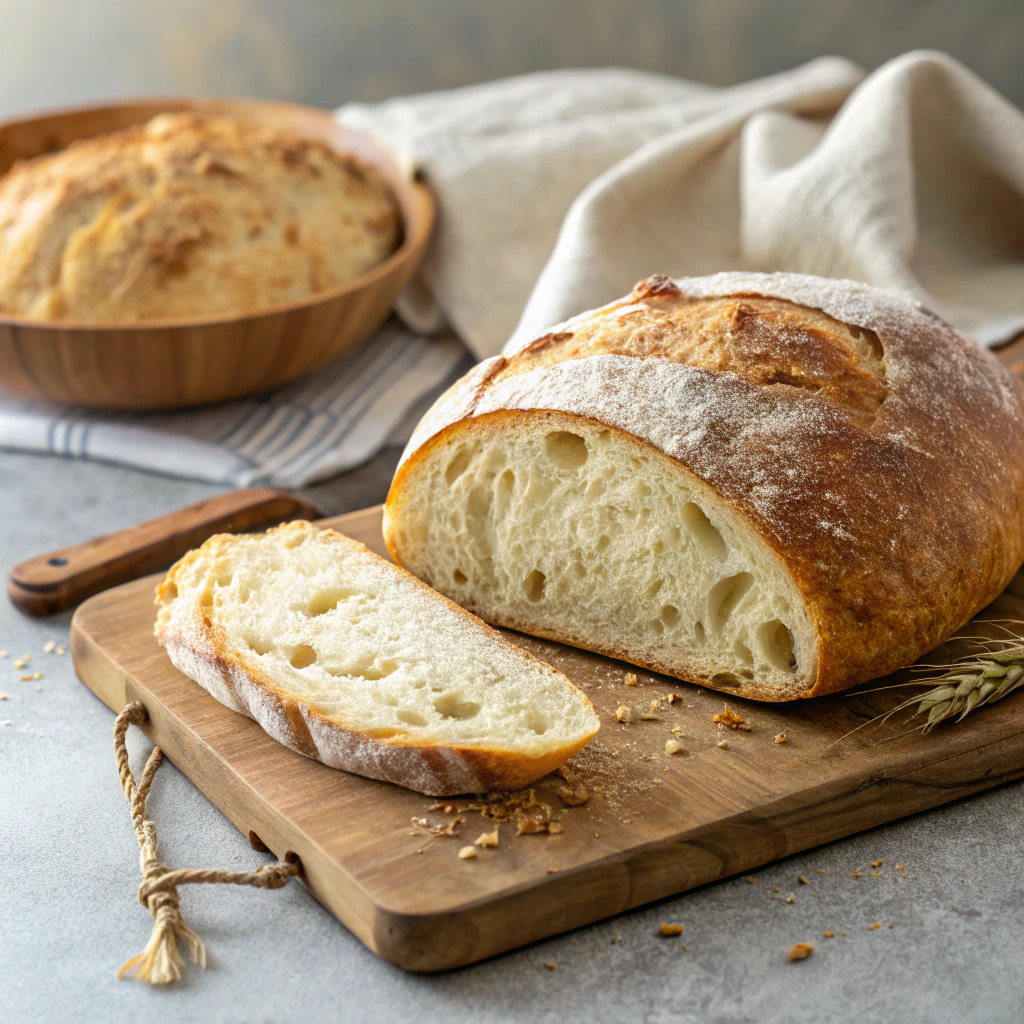
This no-knead bread recipe is a game changer for home bakers looking for simplicity without sacrificing flavor or texture. With just four basic ingredients, you can create a beautiful loaf that rivals those from the best bakeries. The beauty of this recipe lies in the long fermentation process, which develops complex flavors and a chewy crust.
By allowing the dough to rise slowly, it requires no kneading, making it accessible for anyone, whether you're an experienced baker or just starting out. This bread is perfect for sandwiches, toast, or simply enjoying with butter and jam. The crusty exterior and tender interior make it a versatile addition to any meal, and you will be amazed at how simple the process is.
To make this no
When preparing no-knead bread, consider these helpful tips. Use high-quality flour for the best results; bread flour will give you a chewier texture. Make sure to measure your ingredients accurately, especially the water, to achieve the right dough consistency. It's important to allow the dough to rise in a warm, draft-free area for optimal fermentation. Food safety is crucial; always wash your hands before handling ingredients and ensure that all equipment is clean. Avoid cross-contamination by keeping raw ingredients separate and handling them properly. Remember to let the bread cool completely before slicing to maintain its structure.

Store leftover bread in a paper bag at room temperature for up to three days. For longer storage, wrap tightly in plastic wrap and freeze for up to three months.
There are many ways to customize your no-knead bread. You can add herbs like rosemary or thyme for a fragrant loaf. Incorporating ingredients like olives, sun-dried tomatoes, or cheese can elevate the flavor profile. For a sweeter version, consider adding dried fruits and nuts. You can also experiment with different types of flour, such as whole wheat or spelt, to create a unique taste and texture. The possibilities are endless, allowing you to tailor the bread to your preferences.
This no-knead bread pairs wonderfully with a variety of dishes. Serve it warm with a pat of butter for a simple treat, or use it to create delicious sandwiches filled with your favorite ingredients. It also complements soups and salads beautifully, adding a rustic touch to your meal. Consider slicing it and toasting for breakfast or serving it alongside charcuterie boards at gatherings. The crusty exterior and soft interior make it a delightful addition to any dining experience.
| Problem | Solution |
|---|---|
| The loaf did not rise properly. | Ensure that the yeast is fresh and active. If the dough is too cold, allow it to rise in a warmer environment. |
| The crust is too hard. | Reduce the baking time slightly or lower the oven temperature to achieve a softer crust. |
| The bread is too dense. | Check the flour-to-water ratio; too little water can lead to dense bread. Consider allowing a longer fermentation time. |
| The bread sticks to the pot. | Using parchment paper can help prevent sticking, or ensure the pot is well-prepared with non-stick spray or oil. |
Can I use whole wheat flour instead of all-purpose flour?
Yes, whole wheat flour can be used, but it may result in a denser loaf.
How do I know when the bread is fully baked?
The bread should be golden brown and sound hollow when tapped on the bottom.
Can I make this bread without a Dutch oven?
Yes, you can use any oven-safe pot with a lid, or bake on a baking stone.
What should I do if my dough doesn’t bubble?
Make sure your yeast is fresh, and try letting it rise in a warmer location.
