
📌 Love these? Pin your favorites—it helps us grow!
Immerse yourself in the art of bread making with this overnight sourdough bread recipe. The process is simple yet rewarding, allowing you to wake up to a beautifully tangy loaf that fills your kitchen with irresistible aromas.
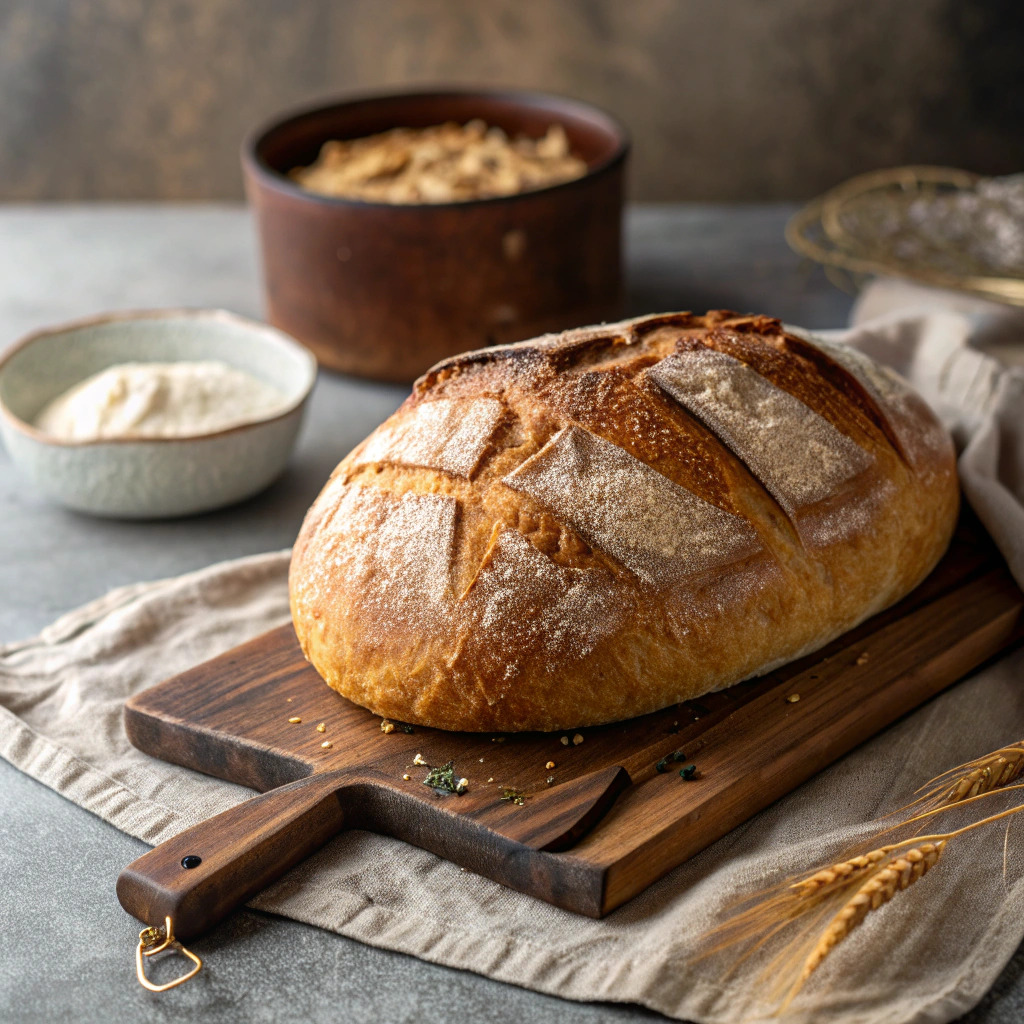
This overnight sourdough bread recipe is a wonderful blend of simplicity and flavor. Perfect for both beginners and seasoned bakers, it offers a hands-off approach that allows the dough to develop its character overnight. The long fermentation process not only enhances the bread's tanginess but also improves digestibility, making it a healthier choice for your family.
What sets this recipe apart is the use of a sourdough starter, which provides natural leavening and a depth of flavor that commercial yeast simply cannot replicate. With just a few basic ingredients and a bit of patience, you can create a crusty, artisan-style loaf that is perfect for sandwiches, toast, or simply enjoyed with butter. The texture is airy yet hearty, and the crust is golden brown and crunchy. This bread is perfect for any occasion and will impress anyone who tries it.
To make overnight sourdough bread, gather the following equipment:
These tools will help streamline the process and ensure your bread comes out perfectly.
For best results, ensure your sourdough starter is active and bubbly before beginning the recipe. This ensures proper fermentation and rise. When mixing the dough, use your hands to incorporate the ingredients well, as this helps develop gluten. If your kitchen is cold, consider placing the dough in a slightly warm spot to encourage fermentation. Always check the internal temperature of the bread; it should reach at least 190°F for perfect doneness.
Food safety is important when handling dough. Always wash your hands before and after working with the ingredients, especially if using raw flour. Be cautious with any utensils or surfaces that come into contact with the dough to avoid contamination.

Store the bread at room temperature in a paper bag or wrapped in a kitchen towel for up to three days. For longer storage, slice and freeze the bread in an airtight container.
Feel free to customize your overnight sourdough bread by adding various ingredients. Consider incorporating seeds like sunflower or sesame for added crunch, or mixing in herbs such as rosemary or thyme for flavor. You can also experiment with different types of flour, such as whole wheat or rye, to create unique textures and tastes. Another delightful variation is to add dried fruits or nuts, which can provide a sweet contrast to the tangy sourdough flavor.
Slice the overnight sourdough bread thickly and serve it warm with a pat of butter or a drizzle of olive oil for a simple yet delicious treat. It also pairs beautifully with soups and salads, making it an excellent addition to any meal. For a breakfast option, top it with avocado and a sprinkle of salt or create an indulgent French toast with your favorite toppings.
| Problem | Solution |
|---|---|
| The dough did not rise properly overnight. | Ensure your sourdough starter is active before beginning. If your kitchen is too cold, consider moving the dough to a warmer location. |
| The crust is too hard after baking. | Try reducing the baking time slightly or placing a pan of water in the oven to create steam, which helps soften the crust during baking. |
| Bread is dense and gummy inside. | This may indicate the dough was not kneaded enough or that it was not fermented long enough. Make sure to give the dough ample time to rise and develop before baking. |
| The bread has a sour taste that is too strong. | If you prefer a milder flavor, reduce the fermentation time or use a less mature sourdough starter. |
Can I use all-purpose flour instead of bread flour?
Yes, but bread flour will give you a better rise and texture.
How do I know if my sourdough starter is ready to use?
It should be bubbly and have doubled in size after feeding.
What can I do if my dough is too sticky?
You can add a little more flour while kneading to help manage stickiness.
Can I bake this bread without a Dutch oven?
Yes, you can use a baking stone and steam the oven by adding water to a pan.
