
📌 Love these? Pin your favorites—it helps us grow!
Creating felt fruit is a delightful way to combine creativity and crafting. This hands-on project allows you to design and make colorful, realistic fruit using felt fabric, making it perfect for decorations, toys, or educational purposes.
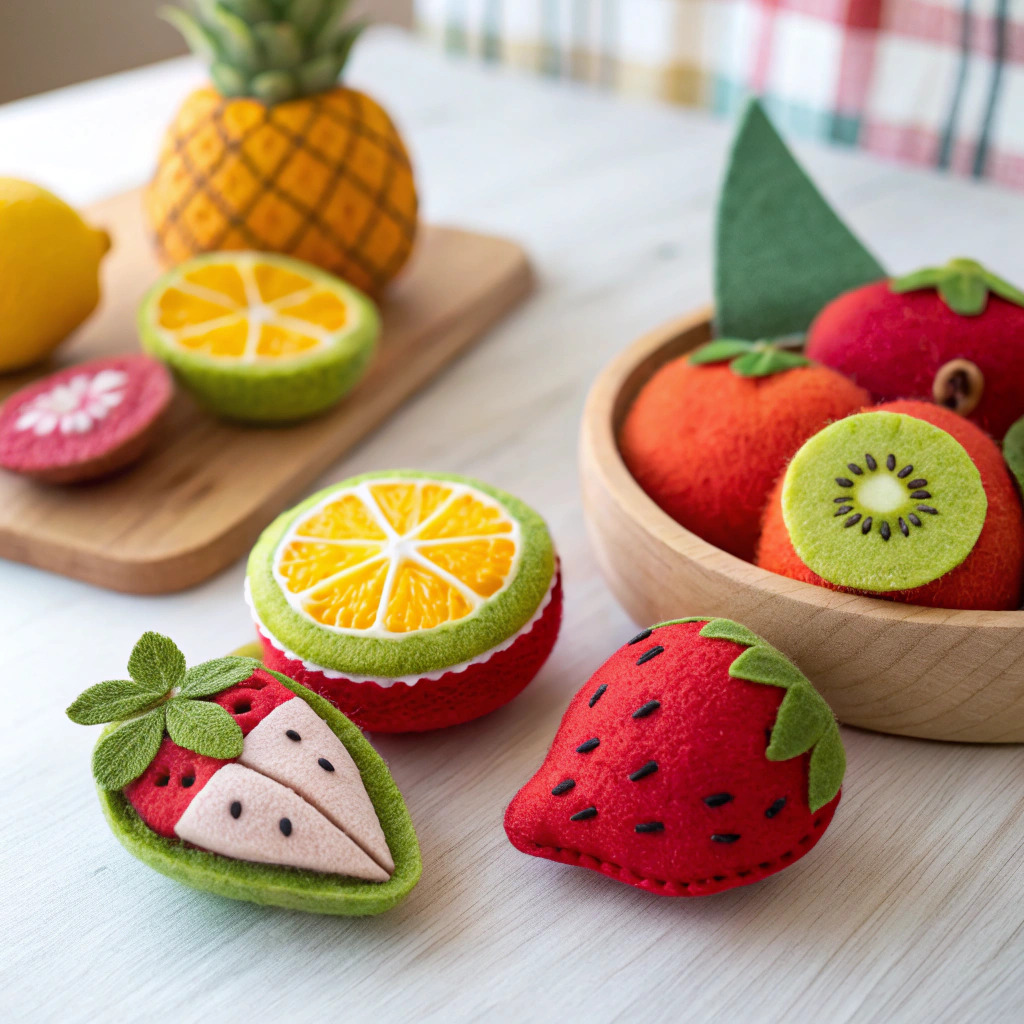
This felt fruit crafting project is special because it brings together the joy of creativity with the tactile benefits of felt. The vibrant colors and soft texture of felt make it an ideal medium for crafting fruit that looks good enough to eat, yet is entirely safe and child-friendly. Whether you're looking to enhance a play kitchen, create a unique display, or engage children in imaginative play, this project delivers. You can create various types of fruit, including apples, oranges, and bananas, allowing for endless possibilities. By using simple stitching techniques and basic crafting supplies, even beginners can achieve impressive results. This project can be a great way to spend quality time with family or friends, as everyone can contribute their own creative ideas, making it a fun group activity.
To get started, gather the necessary equipment.
Begin with a simple pattern for your felt fruit, such as a basic apple shape. To prevent fraying, use pinking shears when cutting the felt. If you are using glue, apply it sparingly and allow sufficient drying time before handling your fruit. When sewing, make small, tight stitches to ensure the pieces stay together securely. Always supervise children when using scissors or needles, and ensure that any small embellishments are not a choking hazard. For added safety, keep crafting materials away from small children unless supervised. After completing your felt fruit, store it in a cool, dry place to maintain its shape and appearance.

Store completed felt fruit in a cool, dry place, preferably in a box or basket to keep them dust-free.
Consider experimenting with different fruits to expand your felt fruit collection. You can create a pineapple by layering yellow felt and adding a green felt crown. For a watermelon, use green for the rind and pink for the flesh, with tiny black felt circles to represent seeds. Don't hesitate to personalize your fruits by using different shades of felt or adding unique stitching patterns. Additionally, you can make felt fruit slices to create even more playful variations, such as lemon or lime wedges.
For display, arrange your felt fruit in a decorative bowl or as part of a themed centerpiece. You might also use them in educational activities, teaching children about healthy eating or colors. Felt fruit can be a wonderful addition to a play kitchen, inviting children to engage in pretend cooking and serving. They also make for charming gifts or unique keepsakes, especially when presented in a creative way.
| Problem | Solution |
|---|---|
| The felt pieces are not sticking together properly. | Ensure you are using enough fabric glue or tight stitches when sewing. If using glue, allow ample drying time. |
| The fruit shapes are not turning out as expected. | Double-check your patterns and measurements before cutting. Practice on scrap felt if necessary. |
| The colors seem dull. | Look for high-quality felt or consider layering different shades to enhance the vibrancy. |
What type of felt is best for making fruit?
High-quality polyester or wool felt works best as it is durable and holds its shape well.
Can I wash my felt fruit?
It is recommended to spot clean felt fruit with a damp cloth rather than machine washing to preserve shape and colors.
Is this project suitable for children?
Yes, this project is suitable for children with supervision, especially when using scissors or needles.
