
📌 Love these? Pin your favorites—it helps us grow!
Moroccan tea is a vibrant and aromatic beverage that embodies the essence of Moroccan hospitality. This refreshing drink, infused with green tea and fresh mint, is perfect for any occasion.
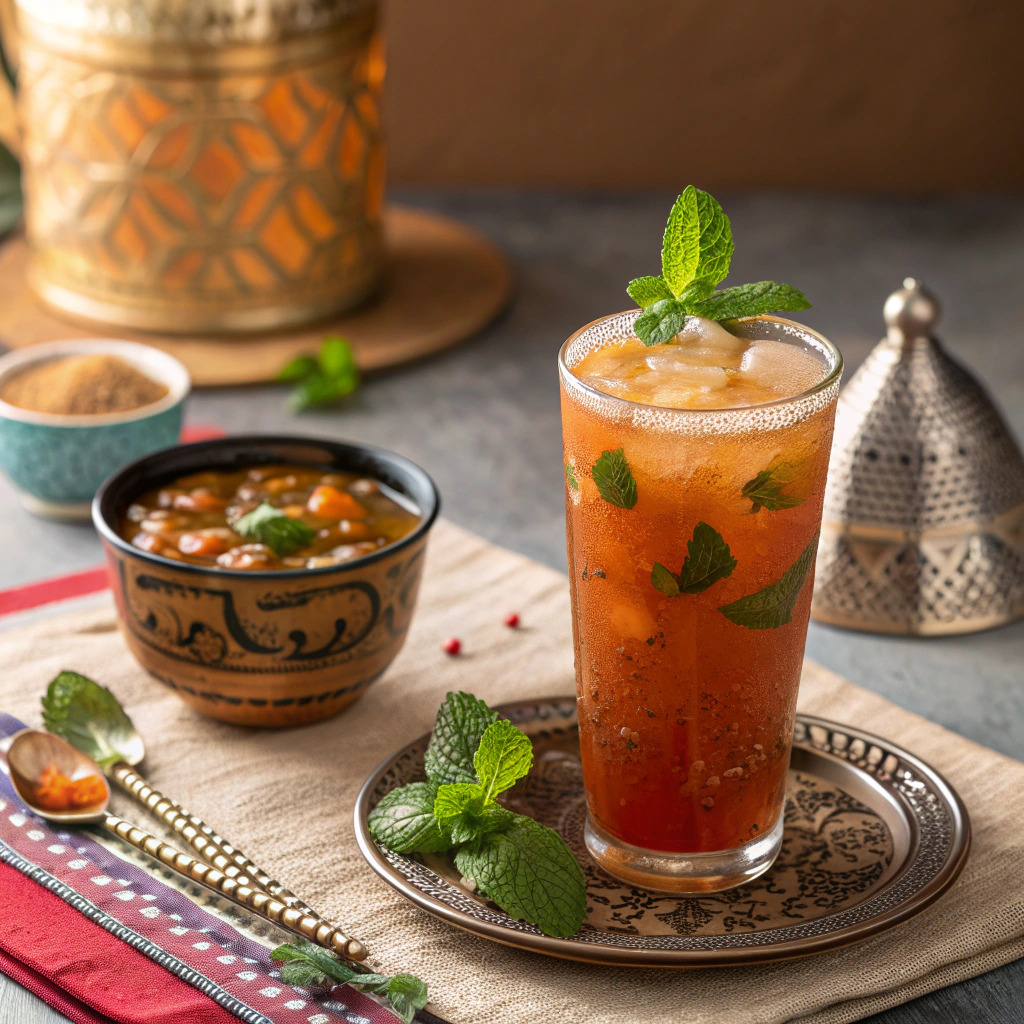
This recipe for Moroccan tea is cherished for its unique blend of flavors and cultural significance. Traditionally served in small glasses, it is often enjoyed after meals or during gatherings, bringing friends and family together. The combination of green tea and mint creates a delightful aroma that is both invigorating and soothing. The addition of sugar balances the earthy notes of the tea, making it a popular choice among those who love sweet drinks. The process of pouring the tea from a height not only enhances the flavor through aeration but also showcases the beauty of the drink. Whether you are looking to impress guests or simply treat yourself, mastering this recipe will ensure you enjoy the authentic taste of Morocco at home.
Each sip of this tea transports you to the bustling streets of Marrakech, where the fragrant scents of mint and tea waft through the air. This beverage is more than just a drink; it is an experience, a moment of pause in the day, inviting you to savor the flavors and enjoy the company of those around you.
To prepare Moroccan tea, gather the following equipment:
When making Moroccan tea, use high-quality green tea for the best flavor. Gunpowder green tea is commonly used, known for its robust taste. Fresh mint is essential; choose bright green leaves without browning for optimal flavor. Adjust the sugar to your preference, but the traditional method usually calls for a generous amount. For food safety, always wash your mint thoroughly to remove any dirt or pesticides. Ensure that all equipment is clean and sanitized before use to prevent any contamination. If you prefer a less sweet drink, start with a smaller amount of sugar and add more as needed. The key to perfecting Moroccan tea lies in the pouring technique; pour from a height to create a frothy texture, enhancing the flavor and presentation.

For best flavor, Moroccan tea should be consumed fresh. If you have leftovers, store in the refrigerator for up to two days. Reheat gently before serving.
You can experiment with variations of Moroccan tea by adding different herbs or spices. For instance, try incorporating a pinch of cinnamon or a few cardamom pods for added warmth. Some people enjoy a splash of orange blossom water for a floral note. If you're looking for a caffeine-free option, consider using herbal tea as a base instead of green tea. Adjust the sweetness or mint according to your taste preferences. Another delightful twist is to serve the tea over ice for a refreshing summer beverage, perfect for cooling down on hot days.
Serve Moroccan tea in small, decorative glasses to highlight its vibrant color and aromatic qualities. Traditionally, the tea is poured into the glasses from a height, creating a frothy layer at the top. This not only enhances the flavor but also adds an element of flair. Pair the tea with Moroccan pastries or nuts for a complete experience. Enjoy it warm or chilled, depending on the season, and take a moment to appreciate the rich cultural heritage behind this beloved drink.
| Problem | Solution |
|---|---|
| The tea tastes too bitter. | Ensure you do not over-steep the green tea, as it can become bitter. Steep for 3 to 5 minutes and remove the tea leaves promptly. |
| The mint flavor is too weak. | Use fresh mint leaves and add them during steeping. Additionally, consider muddling the mint slightly to release more oils before adding it to the tea. |
Can I use other types of tea for Moroccan tea?
Yes, you can experiment with different types of tea, but green tea is traditional.
Is Moroccan tea served hot or cold?
Moroccan tea is typically served hot, but it can also be enjoyed cold, especially in summer.
