
📌 Love these? Pin your favorites—it helps us grow!
There's nothing quite like the aroma of freshly baked bread wafting through your home. This classic loaf of bread recipe is not only simple, but it also yields a soft, fluffy texture that is perfect for sandwiches or enjoying with butter. Dive into the world of homemade bread and elevate your baking skills.
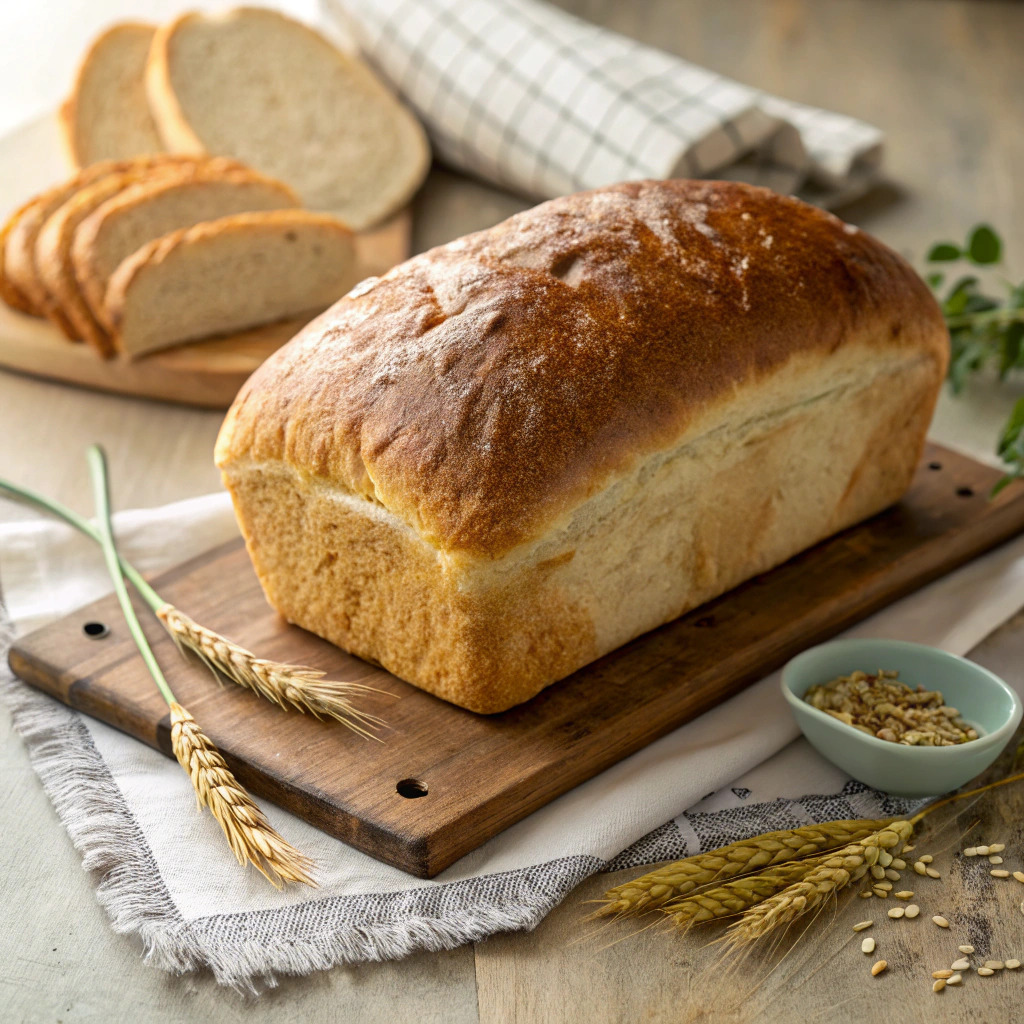
This loaf of bread stands out for its versatility and comforting qualities. Made with just a few basic ingredients, it is the perfect starting point for anyone looking to delve into the art of bread making. The satisfaction of kneading the dough and watching it rise is unmatched, making it a delightful experience for both novice and experienced bakers alike.
The crust is golden and slightly crisp, while the inside is light and airy, making each slice a treat. You can enjoy it fresh out of the oven, or use it in a variety of dishes such as French toast, bread pudding, or toasted with your favorite spreads. This recipe can easily be customized with herbs, cheese, or seeds to suit your taste. Whether you're preparing a meal for family or just indulging in a self-care baking session, this loaf of bread is sure to impress.
To create your perfect loaf of bread, gather the following equipment:
Having these essential tools will help streamline the process and ensure successful results.
When baking a loaf of bread, there are a few tips to keep in mind. Always ensure your yeast is fresh; expired yeast can lead to a failed rise. Knead the dough thoroughly, as this develops gluten which gives the bread its structure. Keep your workspace clean and avoid cross-contamination to maintain food safety.
Allow the dough to rise in a warm, draft-free environment for optimal results. If your kitchen is cool, preheat your oven for a minute, then turn it off and place the dough inside to rise. Always check the internal temperature of your bread; it should reach at least 190°F for proper doneness. After baking, let the loaf cool completely before slicing to maintain its texture. Remember to wash your hands before and after handling any ingredients, especially when working with yeast.

Store the bread in an airtight container at room temperature for up to three days, or freeze for longer storage.
There are numerous ways to customize your loaf of bread to suit your preferences. For a whole grain loaf, substitute a portion of the all-purpose flour with whole wheat flour for added fiber and nutrition. Adding seeds like sunflower or sesame can provide a delightful crunch. If you enjoy a hint of sweetness, consider incorporating honey or maple syrup into the dough.
You can also experiment with herbs, such as rosemary or thyme, to infuse the bread with aromatic flavors. For a cheesy version, fold in shredded cheese during the final mixing stage. The possibilities are endless, allowing you to create a loaf that perfectly matches your taste.
Once your loaf of bread has cooled, slice it evenly for the best presentation. Serve it alongside a selection of spreads, such as butter, jam, or honey. For a heartier meal, use the bread to make sandwiches filled with your favorite ingredients. This loaf pairs beautifully with soups and salads, making it a versatile addition to any meal. Enjoy the freshness of homemade bread at its finest.
| Problem | Solution |
|---|---|
| The bread did not rise properly. | This could be due to inactive yeast, which may happen if the yeast is expired or if the water used was too hot, killing the yeast. Always check the expiration date and use warm water between 100°F to 110°F. |
| The crust is too hard. | If the crust is too tough, you may have baked the bread at too high of a temperature or for too long. Lower the oven temperature slightly and keep an eye on the bread during the final minutes of baking. |
| The inside is dense. | Dense bread may result from insufficient kneading or not enough rising time. Ensure you knead the dough adequately to develop gluten and allow it to rise until it doubles in size for the best texture. |
Can I use whole wheat flour instead of all-purpose flour?
Yes, you can substitute some or all of the all-purpose flour with whole wheat flour for a healthier option.
How can I tell if the bread is done baking?
The bread should be golden brown and sound hollow when tapped on the bottom. You can also check the internal temperature.
What can I do with leftover bread?
Leftover bread can be used for toast, sandwiches, or even made into croutons or bread pudding.
