
📌 Love these? Pin your favorites—it helps us grow!
Rye bread is a classic staple that brings a rich, nutty flavor and hearty texture to any meal. This homemade loaf is perfect for sandwiches, toasting, or simply enjoying with butter. The process of making it allows you to embrace the art of baking while filling your home with delightful aromas.
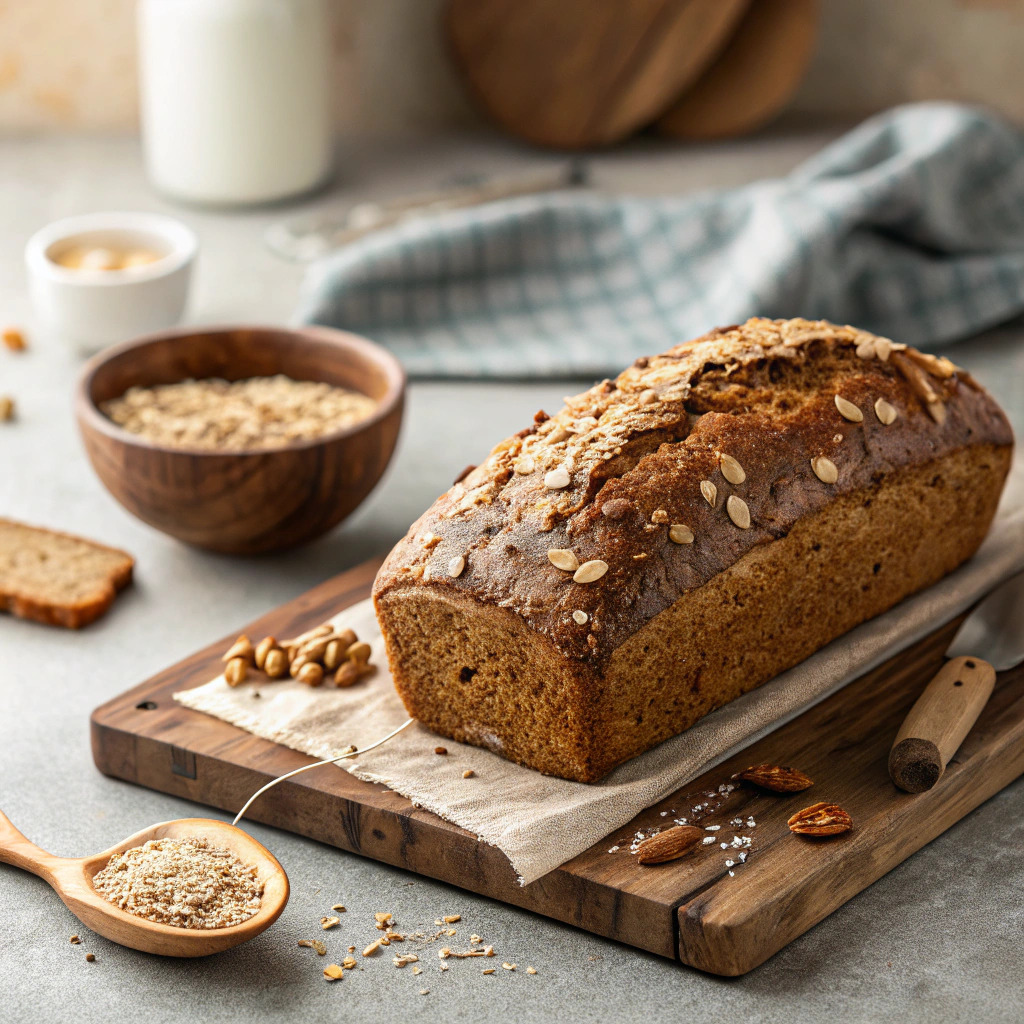
This rye bread recipe stands out because it combines whole grain rye flour with a touch of all-purpose flour, creating a unique balance of flavor and texture. The nutty essence of rye flour is enhanced by the simple ingredients and traditional baking methods, producing a loaf that is both satisfying and wholesome. Whether you are a seasoned baker or a novice in the kitchen, this recipe is approachable and rewarding. The process of kneading and allowing the dough to rise is meditative, and the final result is a delicious bread that can elevate any meal. Enjoy it fresh out of the oven or let it cool and use it for your favorite sandwiches. This rye bread is not only nutritious but also packed with flavor, making it a beloved addition to any table.
The versatility of rye bread allows it to pair wonderfully with various toppings, from savory spreads to sweet jams, making it a delightful choice for breakfast, lunch, or dinner.
To create this rye bread, you will need a few essential tools.
When making rye bread, it is important to keep a few tips in mind. Start with fresh ingredients for the best flavor and texture. Make sure to measure the flour accurately, as too much can lead to a dense loaf. If you are new to baking, don't be afraid to experiment with the kneading process; the dough should be smooth and elastic but not overly sticky. Safety is crucial when handling food; always wash your hands before and after handling the ingredients. Ensure that the bread reaches an internal temperature of at least 190°F for proper doneness. Allow the bread to cool before slicing to maintain its structure. Storing the bread in a cool, dry place will help keep it fresh longer; consider wrapping it in parchment paper and placing it in a bread box.

Store the bread in a cool, dry place wrapped in parchment paper to keep it fresh.
For those looking to customize their rye bread, there are several variations to explore. You can add seeds such as caraway, fennel, or sunflower for an extra crunch and flavor. Incorporating nuts, like walnuts or hazelnuts, can enhance the nutty quality of the bread. If you prefer a sweeter loaf, consider adding a bit of honey or molasses to the dough. Experimenting with different flours, such as spelt or whole wheat, can also provide unique taste profiles. Each variation can bring something special to the classic rye bread, making it a versatile recipe to adapt.
This rye bread is best served fresh, but it can also be toasted for added texture. Slice it thick or thin, depending on your preference, and enjoy it with butter, cheese, or your favorite spreads. Pair it with hearty soups or salads for a satisfying meal. For a delightful breakfast treat, try it topped with avocado and poached eggs. Rye bread also makes an excellent base for sandwiches, holding up well under various fillings without becoming soggy.
| Problem | Solution |
|---|---|
| The bread is too dense. | Ensure that you are measuring your flour correctly and not adding too much. The dough should be elastic and slightly tacky, but not overly sticky. Knead the dough sufficiently to develop gluten. |
| The crust is too hard. | This can happen if the oven temperature is too high. Bake the bread at a moderate temperature and consider covering it with foil in the last few minutes of baking to soften the crust. |
| The bread did not rise. | Check the freshness of your yeast; expired yeast can prevent proper rising. Make sure to allow the dough to rise in a warm place, free from drafts. |
Can I use whole rye flour instead of a mix?
Yes, using whole rye flour will change the texture and flavor, making it denser.
How do I know when the bread is done?
The bread is done when it reaches an internal temperature of 190°F and sounds hollow when tapped.
Can I freeze rye bread?
Yes, rye bread can be frozen. Wrap it tightly in plastic wrap or aluminum foil before placing it in the freezer.
