
📌 Love these? Pin your favorites—it helps us grow!
Unleash your creativity with pasta dibujo, where art meets culinary fun. This unique recipe allows you to transform ordinary pasta into playful drawings, making mealtime a delightful experience for kids and adults alike.
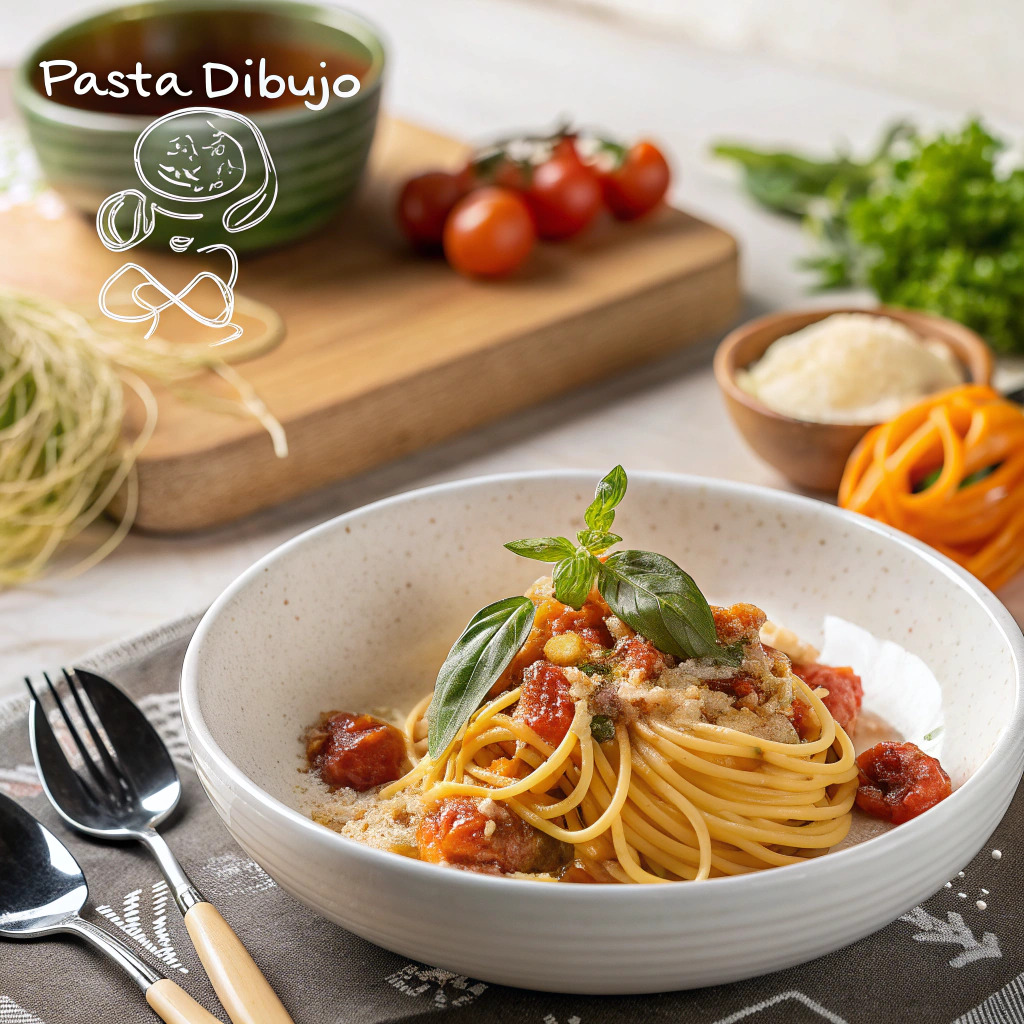
This recipe is special because it combines the joy of drawing with the deliciousness of pasta. Pasta dibujo encourages creativity in the kitchen, making it a fantastic activity for families or anyone looking to add a touch of whimsy to their meals. Using different shapes of pasta, you can create drawings that are not only visually appealing but also edible. The process engages your imagination and can be a fun way to introduce children to cooking and art. With just a few simple ingredients, you can have a colorful and interactive dining experience that’s sure to spark joy at the table.
The versatility of pasta allows for endless possibilities in design. Whether it’s creating a smiling face, a whimsical animal, or even a landscape, the only limit is your imagination. When finished, the pasta can be cooked and enjoyed with your favorite sauces, making this a two-in-one recipe: art and dinner all in one go.
To create pasta dibujo, you will need the following equipment:
Start by ensuring all your equipment is clean and sanitized to prevent any contamination. When preparing pasta for drawing, consider using whole grain or gluten-free options for a healthier twist. If using food coloring, wear gloves to avoid staining your hands. Always cook pasta according to package instructions, ensuring it reaches the proper doneness, typically al dente. Once the pasta is shaped and drawn on, allow it to cool slightly before handling. For safety, do not consume raw pasta shapes; always cook them thoroughly. Remember to keep cooked pasta at a safe temperature to avoid foodborne illnesses.

Store any leftover cooked pasta in an airtight container in the refrigerator for up to three days. Reheat before serving.
There are countless variations to explore with pasta dibujo. You can experiment with different types of pasta, such as farfalle for butterflies or rotini for spirals, to create distinct designs. Consider using vegetable purees to naturally dye the pasta, such as beet juice for pink or spinach for green, adding nutritional value and visual appeal. For a fun twist, incorporate edible glitter or parmesan cheese to enhance your creations. You can also use the finished pasta as a unique centerpiece for a party or family gathering, showcasing everyone’s artistic talents before it becomes part of the meal.
Serve your pasta dibujo creations with a variety of sauces to complement the flavors. A classic marinara, creamy Alfredo, or a simple olive oil and garlic dressing can enhance the dish. Present the pasta art on a large platter, allowing everyone to enjoy the fun of picking their favorite shapes. Pair it with a side salad or garlic bread for a complete meal. For a festive touch, consider garnishing with fresh herbs or grated cheese to elevate the visual appeal of your artistic pasta.
| Problem | Solution |
|---|---|
| The pasta shapes are breaking apart during cooking. | Ensure the pasta is not overcrowded in the pot and stir gently to avoid sticking. Cooking in smaller batches can help maintain the integrity of the shapes. |
| The colors are fading after cooking. | Use concentrated food coloring or natural dyes and allow the pasta to dry before cooking. This helps set the colors better. |
| The pasta is too sticky. | Make sure to toss cooked pasta with a bit of oil immediately after draining to prevent it from clumping together. |
Can I use gluten-free pasta for this recipe?
Yes, gluten-free pasta works well and can be used for creating drawings.
How can I make the colors more vibrant?
Using concentrated food coloring or allowing the pasta to dry after coloring can enhance vibrancy.
What sauces pair best with pasta dibujo?
Classic marinara, Alfredo, or simple olive oil with garlic complement the designs nicely.
