
📌 Love these? Pin your favorites—it helps us grow!
Brioche bread is the epitome of indulgent baking, with its rich buttery flavor and soft, fluffy texture. Perfect for breakfast or as a base for sandwiches, this homemade delight elevates any meal. The process may seem daunting, but the result is well worth the effort.
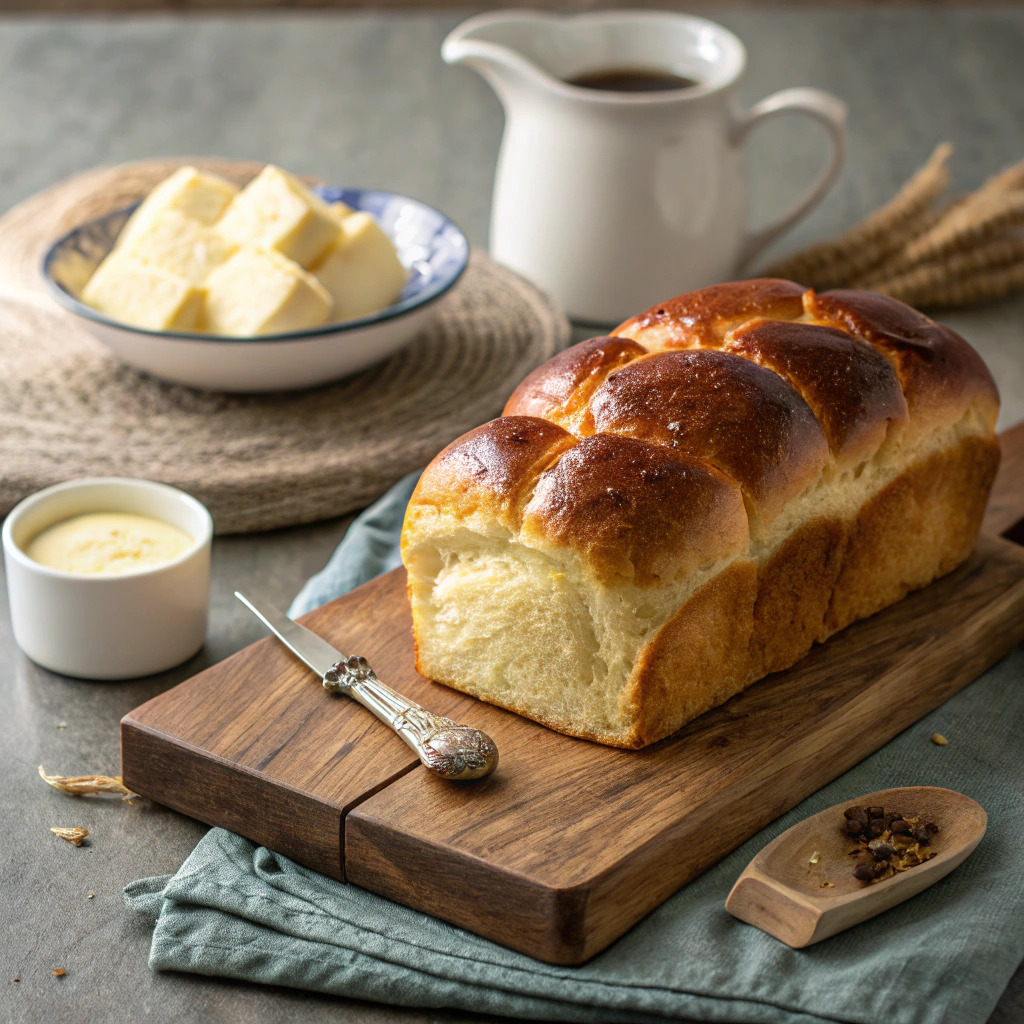
This brioche bread recipe is special because it transforms simple ingredients into a luxurious loaf that is versatile and satisfying. The dough is enriched with eggs and butter, giving it a tender crumb and a golden crust that can make any dish feel gourmet. Whether you enjoy it as French toast, a classic grilled cheese, or simply toasted with jam, each bite offers a delightful experience.
Making brioche at home also allows you to control the ingredients and customize the flavor to your liking. You can experiment with add-ins like chocolate chips, herbs, or citrus zest to create a unique twist. The satisfaction of pulling a freshly baked loaf from the oven is unparalleled, making this recipe a must-try for both novice and experienced bakers.
To create this brioche bread, you will need several essential tools.
For the best results, ensure your ingredients are at room temperature before beginning. This helps with the dough's rise and texture. Kneading the dough thoroughly is crucial; it should be smooth and elastic before you let it rise. Make sure to allow the dough to double in size during the first rise; this can take about one to two hours depending on the temperature of your kitchen.
Remember to check the internal temperature of the bread; it should reach at least 190°F for a properly baked loaf. Always practice safe food handling, ensuring surfaces and utensils are clean to avoid contamination. If you're using perishable ingredients like eggs and butter, store them properly to maintain freshness.

Store any leftover brioche bread in an airtight container at room temperature for up to three days. For extended storage, wrap it tightly and freeze for up to three months.
There are countless ways to customize this brioche bread recipe to suit your taste. You can add chocolate chips or dried fruits like raisins or cranberries for a sweet version. For a savory twist, consider incorporating herbs or cheese into the dough. Another delightful variation is to shape the dough into rolls instead of a loaf, perfect for serving alongside meals or as slider buns. Experiment with different shapes and flavors to make this recipe your own.
Brioche bread is incredibly versatile when it comes to serving. Toast slices for breakfast and top with butter and jam, or use it to make decadent French toast. For lunch, it's excellent for sandwiches, providing a rich flavor that pairs well with meats and cheeses. Serve leftover brioche as a dessert, perhaps with a sprinkle of powdered sugar or a drizzle of chocolate sauce for added indulgence.
| Problem | Solution |
|---|---|
| The dough doesn't rise properly. | Ensure your yeast is fresh and active. Warm the milk slightly before adding it to the mixture, as it should be warm but not hot. |
| The bread has a dense texture. | Make sure to knead the dough sufficiently to develop gluten. If the dough feels too sticky, add a little flour but avoid overdoing it. |
| The crust is too hard. | Brush the top with melted butter before baking and cover the loaf with foil halfway through to keep it soft. |
Can I use whole wheat flour instead of all-purpose flour?
Yes, but the texture may be denser. Consider mixing whole wheat with all-purpose for better results.
How can I tell when the bread is done baking?
The bread should be golden brown and sound hollow when tapped on the bottom.
Can I make this recipe without a stand mixer?
Yes, you can knead the dough by hand, but it will take longer to develop the gluten.
Is it necessary to let the dough rise twice?
Yes, this process develops flavor and texture in the bread.
What should I do if my dough is too sticky?
Add a small amount of flour gradually while kneading until it reaches the right consistency.
