
📌 Love these? Pin your favorites—it helps us grow!
Beef gravy is the quintessential accompaniment that elevates any meal from ordinary to extraordinary. Its rich, savory flavor enhances everything from mashed potatoes to roasts, making it a beloved staple in kitchens across the world.
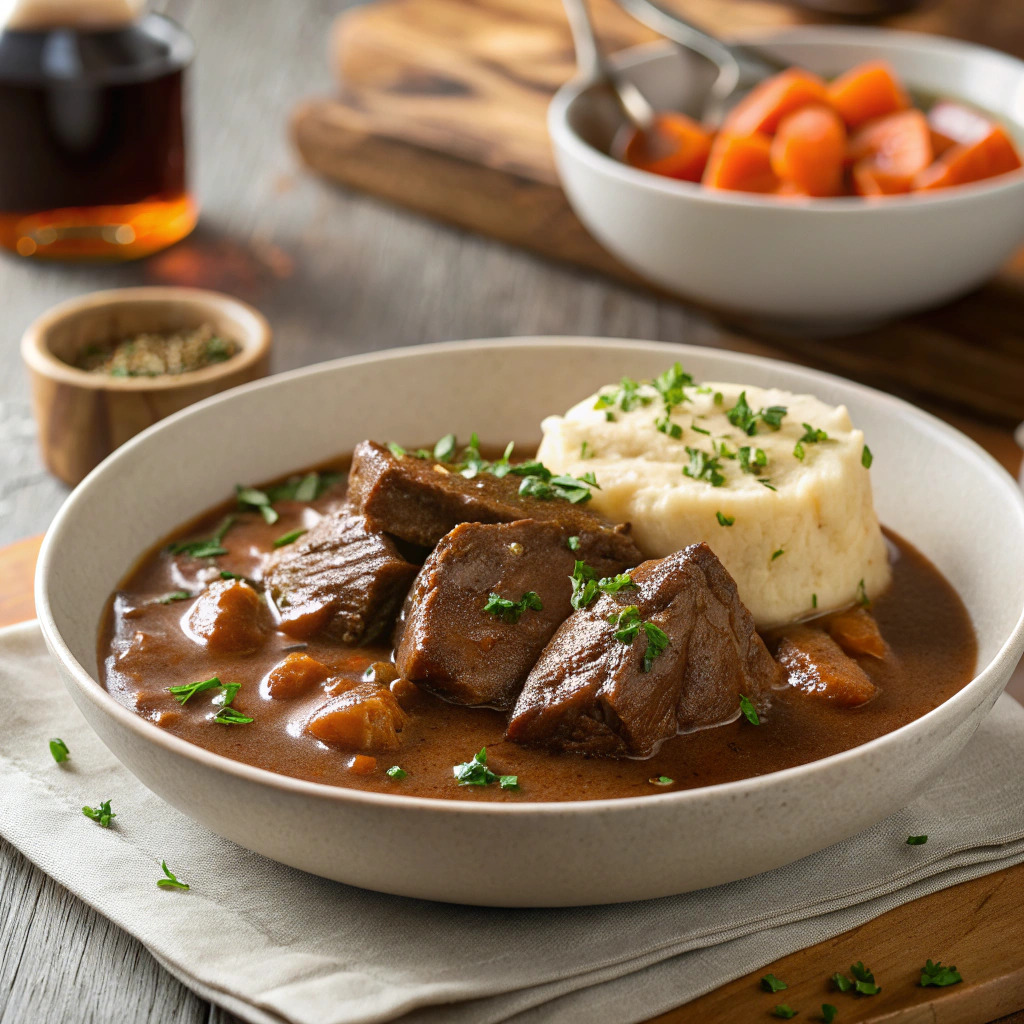
This beef gravy recipe is special because it captures the deep, hearty flavors of roasted beef drippings, creating a sauce that is both comforting and indulgent. The combination of pan drippings, rich broth, and a touch of seasoning results in a velvety texture and a robust flavor that complements a variety of dishes. Whether served over a classic roast, mashed potatoes, or even a savory shepherd’s pie, this gravy brings warmth and satisfaction to the table. Making your own gravy from scratch allows you to control the ingredients and customize the flavor, ensuring that each batch is fresh and tailored to your taste. This recipe is straightforward, and with a little patience, you can create a delicious, homemade beef gravy that will impress family and friends alike. Perfect for holiday feasts or a cozy weeknight dinner, this gravy is sure to become a favorite.
To make this beef gravy, you will need a few essential tools to ensure a smooth preparation process.
To achieve the best beef gravy, start with quality beef drippings, as they provide the base flavor. If you don't have enough drippings, supplement with beef broth. Always season gradually, tasting as you go, to avoid over-seasoning. When thickening the gravy with flour, make sure to cook it for a minute or two to eliminate the raw flour taste. If your gravy is too thick, simply whisk in additional broth until you reach the desired consistency. Be mindful of food safety; ensure that any meat juices reach the proper internal temperature of 160°F to eliminate harmful bacteria. Store any leftover gravy in an airtight container in the refrigerator for up to four days. Reheat gently on the stove, adding a splash of broth if necessary to restore its smooth texture.

Store in an airtight container in the refrigerator for up to four days. Reheat on the stove over low heat, adding a little broth if necessary.
There are numerous ways to customize beef gravy to suit your taste preferences. For a richer flavor, consider adding a splash of red wine or balsamic vinegar during cooking. This will enhance the depth of the gravy. If you enjoy herbs, try incorporating fresh thyme, rosemary, or sage for an aromatic touch. For a spicier kick, a dash of Worcestershire sauce or hot sauce can add complexity. For a gluten-free option, use cornstarch as a thickener instead of flour; simply mix it with cold water before adding it to the hot gravy. Each variation allows you to personalize the gravy to match the dish it accompanies.
Serve beef gravy hot over roasted meats such as beef, turkey, or chicken for a comforting meal. It pairs beautifully with creamy mashed potatoes, allowing the gravy to soak into the potatoes for added flavor. Consider using it as a sauce for meatloaf or as a dipping sauce for biscuits. For a complete meal, serve it alongside steamed vegetables or a fresh salad to balance the richness of the gravy. Consider garnishing with freshly chopped parsley for a pop of color and added freshness.
| Problem | Solution |
|---|---|
| The gravy is too thin. | If the gravy is not thickening as desired, create a slurry by mixing equal parts flour or cornstarch with cold water, then gradually whisk it into the simmering gravy until you achieve the desired thickness. |
| The gravy has lumps. | If lumps form, use an immersion blender to blend the gravy until smooth, or strain it through a fine mesh strainer to remove lumps and achieve a silky texture. |
Can I use store-bought beef broth instead of drippings?
Yes, you can use store-bought beef broth, but using drippings will enhance the flavor significantly.
How do I make the gravy vegetarian?
For a vegetarian version, substitute beef broth with vegetable broth and omit the drippings.
