
📌 Love these? Pin your favorites—it helps us grow!
Japanese cheesecake is a delightful dessert known for its airy texture and subtle sweetness. This light and fluffy treat has gained popularity worldwide, captivating dessert lovers with its unique qualities.
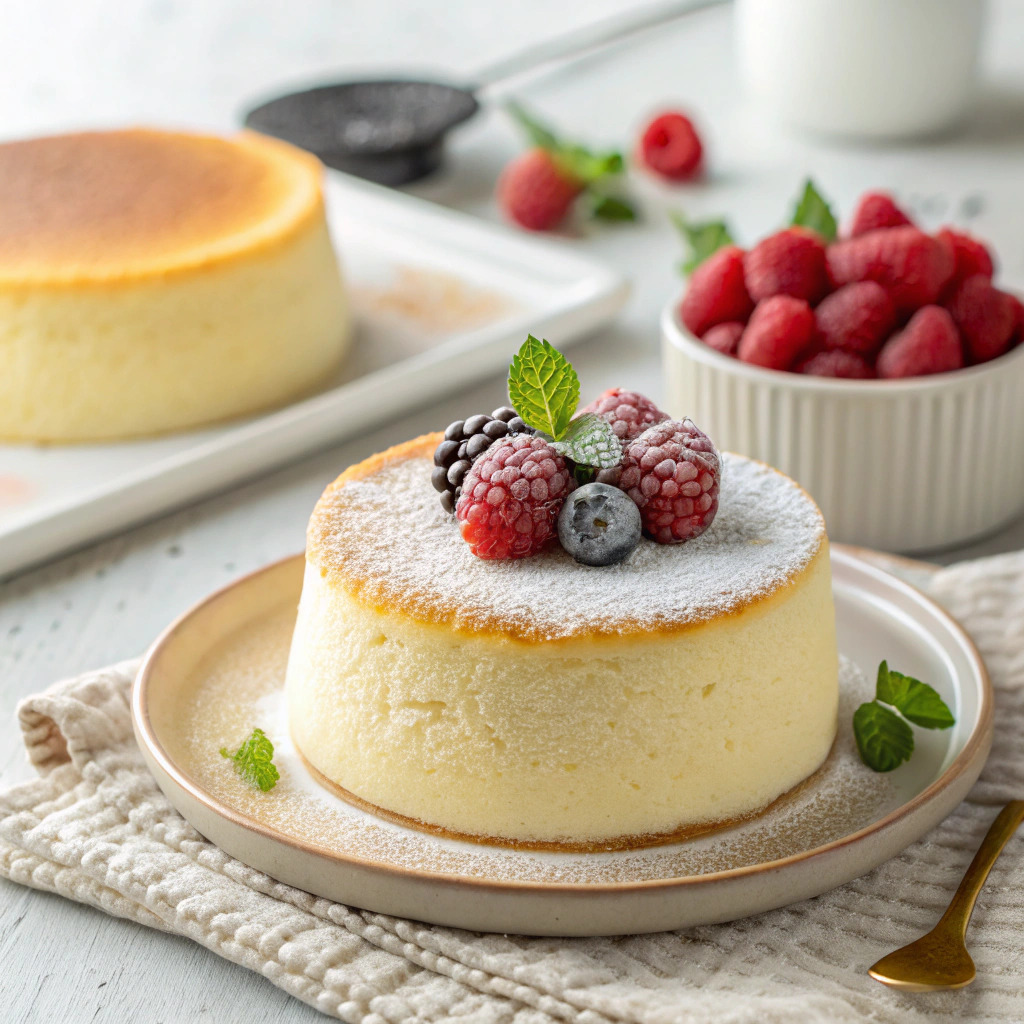
This recipe for Japanese cheesecake stands out because of its beautifully light texture, reminiscent of a soufflé. Unlike traditional cheesecakes that can be dense and heavy, this version is ethereal and melts in your mouth. The combination of cream cheese, eggs, and a few simple ingredients creates an indulgent yet not overly rich dessert. The baking method, which involves a water bath, helps to maintain moisture while ensuring even cooking. This dessert is perfect for special occasions or simply as a comforting treat at home. With its delicate flavor and pleasing texture, it’s sure to impress anyone who takes a bite.
The versatility of Japanese cheesecake allows it to be served on many occasions. Whether enjoyed plain, topped with fresh fruits, or drizzled with a fruit sauce, this dessert never fails to bring joy. It also pairs wonderfully with a cup of tea or coffee, making it a delightful way to end a meal or a lovely afternoon snack.
A few key pieces of equipment will make the process easier and ensure success.
For the best results, make sure all ingredients are at room temperature before starting. This includes the cream cheese, eggs, and milk, which will blend more smoothly and create a lighter batter. It’s crucial to fold the beaten egg whites into the batter gently to maintain the airiness. Always preheat the oven and prepare the water bath before placing the cheesecake in to ensure even baking. When baking, avoid opening the oven door frequently, as this can cause the cheesecake to collapse. To check for doneness, the internal temperature should reach at least 150°F. After baking, let it cool in the oven to prevent cracking. Proper food safety is key; ensure all utensils and surfaces are clean to avoid contamination.

Store leftover cheesecake in an airtight container in the refrigerator for up to three days.
To add a twist to this recipe, consider incorporating flavors like matcha or yuzu for a unique Japanese touch. For a chocolate version, melt dark chocolate and fold it into the batter along with the cream cheese. You can also experiment with different toppings such as whipped cream, fresh berries, or a light dusting of powdered sugar to enhance the presentation and flavor. For a richer experience, serve with a drizzle of caramel or a fruit coulis that complements the lightness of the cheesecake.
When ready to serve, carefully remove the cheesecake from the pan and peel away the parchment paper. Slice into wedges and plate them neatly. This dessert is best enjoyed chilled, so allow it to refrigerate for a few hours before serving. Garnish with fresh seasonal fruits or a dollop of whipped cream for added elegance. A cup of green tea or coffee pairs beautifully with Japanese cheesecake, enhancing the flavors while providing a delightful contrast.
| Problem | Solution |
|---|---|
| The cheesecake is cracking on top during baking. | This typically happens due to rapid temperature changes. Ensure that the oven temperature is correctly set and avoid opening the door while baking. Additionally, using a water bath helps maintain an even temperature. |
| The texture is too dense instead of light and fluffy. | This may occur if the egg whites were not beaten to stiff peaks or if they were not folded in gently. Make sure to whip the egg whites until they hold a firm peak and incorporate them into the batter with a light hand. |
Can I use low-fat cream cheese for this recipe?
Using low-fat cream cheese may affect the texture and flavor, resulting in a denser cheesecake.
Is it necessary to use a water bath?
Yes, the water bath helps in even cooking and prevents cracking by maintaining a stable temperature.
