
📌 Love these? Pin your favorites—it helps us grow!
There's nothing quite like the comforting aroma of homemade spaghetti simmering in a rich sauce. This classic Italian dish brings warmth and a sense of family to the dinner table, making it a beloved favorite for all ages.
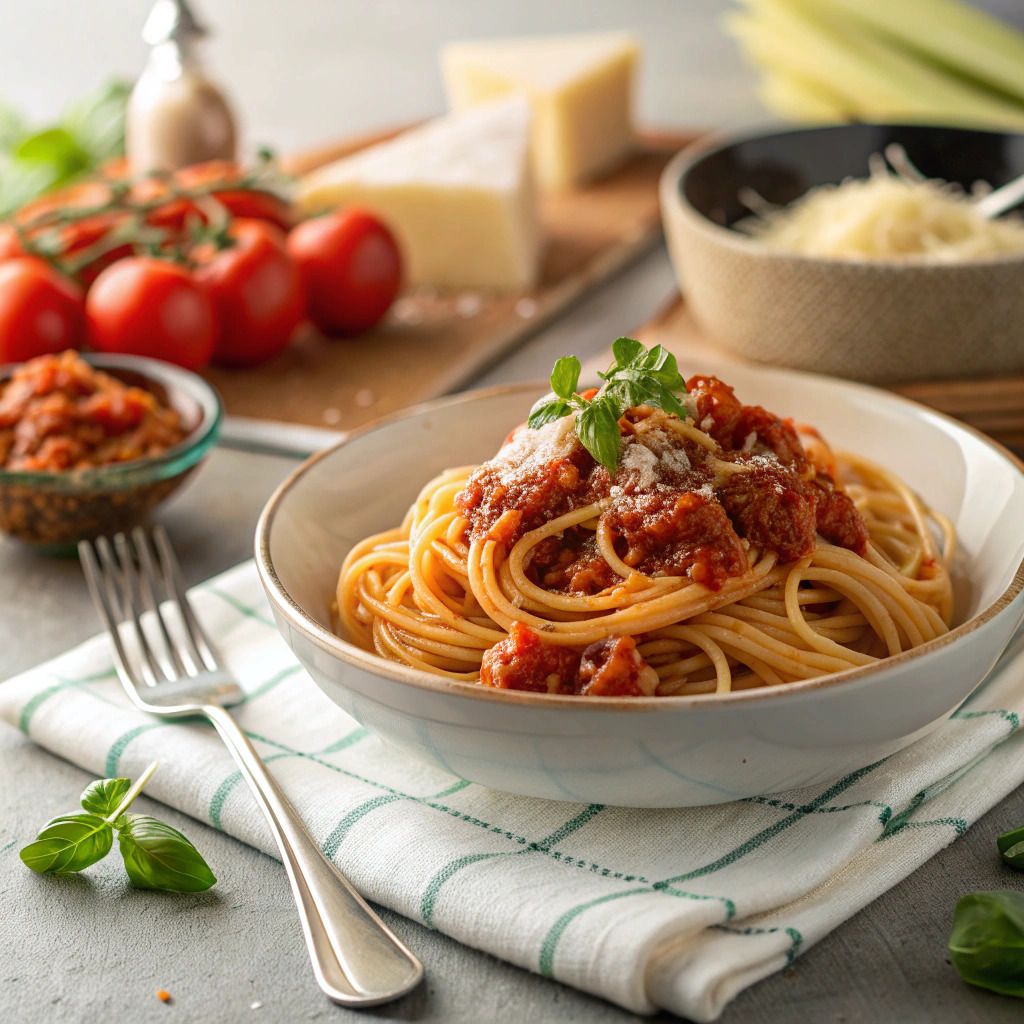
Creating homemade spaghetti from scratch is an experience that transcends mere cooking; it is a culinary tradition that connects generations. The process not only allows you to enjoy fresh pasta but also offers an opportunity to bond with loved ones in the kitchen. The simplicity of flour, eggs, and a pinch of salt transforms into tender strands of spaghetti, perfect for soaking up your favorite sauce. This recipe emphasizes homemade noodles paired with a traditional marinara sauce, which is both flavorful and easy to prepare. By making your own spaghetti, you gain control over the ingredients, ensuring a wholesome dish that can be customized to your taste. Whether it's a family gathering or a cozy dinner for two, this homemade spaghetti recipe is sure to impress and satisfy.
To make homemade spaghetti, you will need a few essential tools.
When making homemade spaghetti, it is vital to use quality ingredients, particularly the flour and eggs, as they greatly impact the final texture and flavor. For the best results, consider using '00' flour, which is finely milled for a smooth pasta. If the dough feels too dry, adding a few drops of water can help achieve the right consistency, whereas if it’s too sticky, dust with flour. Always ensure that the water is at a rolling boil before adding the pasta to prevent it from clumping. Food safety is crucial, especially when handling raw eggs. Always wash your hands and utensils after contact with raw eggs to avoid any risk of salmonella. Be sure to cook the pasta until it reaches the perfect al dente texture, usually about two minutes less than the package instructions suggest. Finally, never forget to taste your sauce and adjust the seasoning to your preference before serving.

Store any leftover spaghetti and sauce in an airtight container in the refrigerator for up to three days. Reheat gently on the stove or in the microwave.
While traditional spaghetti with marinara sauce is delightful, there are many variations to explore. You can enhance the dish by adding sautéed vegetables such as bell peppers, zucchini, or mushrooms to the sauce for added flavor and nutrition. For a protein boost, consider incorporating ground beef or turkey into the marinara sauce, ensuring it reaches the necessary cooking temperature. If you’re feeling adventurous, try making a pesto sauce or a creamy Alfredo sauce to serve with your spaghetti. For a lighter option, serve the pasta with olive oil, garlic, and fresh herbs. You can also experiment with different pasta shapes, such as fettuccine or tagliatelle, using the same dough recipe to create various textures and flavors.
To serve your homemade spaghetti, twirl the pasta onto a plate using a fork or tongs for an elegant presentation. Top with a generous ladle of marinara sauce, and sprinkle freshly grated Parmesan cheese and chopped basil for a fresh touch. Pair with a side of garlic bread and a crisp salad to create a complete meal. This dish is best enjoyed fresh, but it can also be stored in the refrigerator for up to three days. Reheat gently on the stove or in the microwave, adding a splash of water to revive the sauce.
| Problem | Solution |
|---|---|
| The pasta dough is too dry and crumbly. | Gradually add small amounts of water, mixing until the dough comes together smoothly. |
| The spaghetti is sticking together during cooking. | Ensure the water is at a rolling boil and stir the pasta occasionally while cooking. |
| The sauce tastes bland. | Adjust the seasoning by adding more salt, pepper, or herbs to enhance the flavors. |
| The pasta is overcooked and mushy. | Monitor the cooking time closely, and taste the pasta a minute or two before it is supposed to be done. |
| The sauce is too thick. | Add a little pasta cooking water to loosen it up and achieve your desired consistency. |
Can I use whole wheat flour instead of all-purpose flour?
Yes, whole wheat flour can be used, but it will result in a denser pasta.
How can I store leftover spaghetti?
Leftover spaghetti should be stored in an airtight container in the refrigerator for up to three days.
What can I add to the sauce for extra flavor?
You can add vegetables, ground meat, or herbs to enhance the flavor of the sauce.
Can I freeze homemade spaghetti?
Yes, you can freeze cooked spaghetti and sauce in airtight containers for up to three months.
What should I serve with spaghetti?
Garlic bread and a fresh salad pair wonderfully with spaghetti.
