
📌 Love these? Pin your favorites—it helps us grow!
Homemade pizza is a delightful experience that brings friends and family together in the kitchen. The aroma of fresh dough baking combined with your favorite toppings creates an atmosphere of joy and satisfaction. With this recipe, you will learn how to make the perfect crust and customize your pizza to your taste.
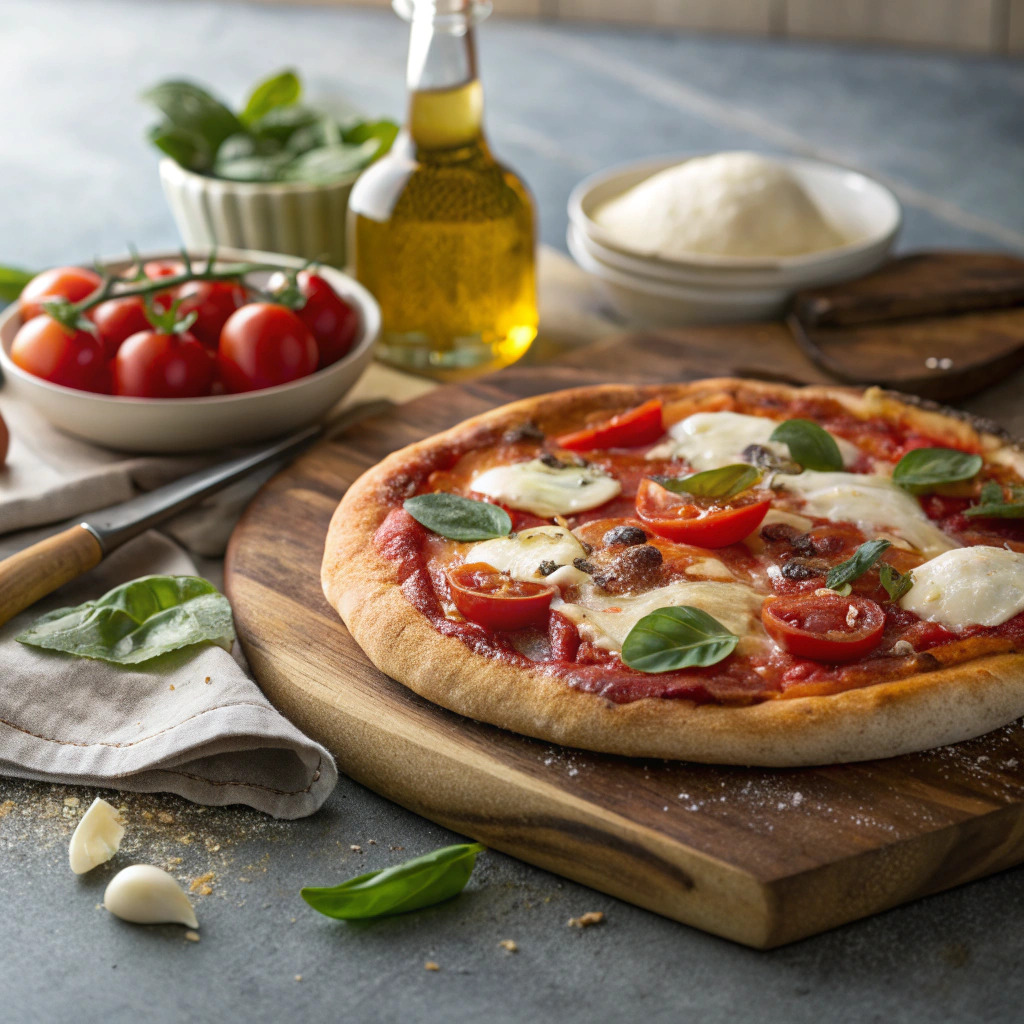
Making pizza from scratch is a rewarding endeavor that allows you to control every aspect of the dish. The process begins with crafting a perfect crust, which forms the foundation of your pizza. This homemade pizza recipe emphasizes the importance of using high-quality ingredients and mastering the dough technique, resulting in a crisp and chewy crust. Additionally, the recipe encourages creativity, so you can choose toppings that suit your preference, whether it’s a classic margherita or a loaded meat feast. The beauty of homemade pizza lies in its versatility and the joy of sharing it with loved ones.
As you prepare this dish, consider the communal aspect of pizza-making. Invite friends or family to join in, allowing everyone to create their own personal pizzas. This not only makes the cooking experience more enjoyable but also fosters a sense of togetherness. The satisfaction of pulling a bubbling, golden pizza from the oven is unmatched, making it a perfect meal for any occasion.
To create your homemade pizza, gather the following equipment:
When making pizza dough, ensure that you knead it thoroughly for a smooth texture. Allowing the dough to rise adequately is crucial; it should double in size to achieve a light and airy crust. After rolling out the dough, consider pre-baking it for a few minutes before adding toppings to prevent sogginess. When preparing toppings, use fresh ingredients and avoid overloading the pizza—too many toppings can lead to a soggy crust. Always check that meats are cooked thoroughly. Chicken should reach an internal temperature of 165°F, ground beef must reach 160°F, and pork should be cooked to 145°F with a three-minute rest. Practice proper food handling to avoid cross-contamination, especially when working with raw meats.

Store leftover pizza in an airtight container in the refrigerator for up to three days. Reheat in the oven for best results.
To customize your homemade pizza, try different types of flour for the dough, such as whole wheat for a healthier option or gluten-free flour for those with dietary restrictions. Experiment with sauces, from traditional tomato to barbecue or even pesto. For toppings, consider seasonal vegetables, a variety of cheeses, or unique proteins like smoked salmon or marinated tofu. You can also create themed pizzas, such as a Mediterranean-style with feta and olives or a spicy Mexican-inspired pizza with jalapeños and chorizo. The possibilities are endless, allowing you to tailor each pizza to your taste.
Once your pizza is baked to perfection, let it cool for a minute before slicing. Serve it hot with a side of marinara or garlic dipping sauce for added flavor. Pair your homemade pizza with a fresh salad or some garlic bread to create a complete meal. For an extra touch, sprinkle fresh basil or arugula on top right before serving. Enjoy your delicious creation with family and friends, making it a memorable dining experience.
| Problem | Solution |
|---|---|
| The crust is too thick and doughy. | Ensure you roll the dough thinly before baking to achieve a crispy texture. Also, pre-bake the crust for a few minutes before adding toppings to allow moisture to escape. |
| The pizza is soggy in the middle. | Avoid overloading your pizza with toppings and use a pizza stone or preheated baking sheet to help achieve a crisp bottom. |
| The toppings burn before the crust is cooked. | Add toppings that require less cooking time later in the baking process, or lower the oven temperature slightly to ensure even cooking. |
| The dough doesn’t rise. | Check that your yeast is fresh and activated properly before adding it to the mixture. Ensure the dough is kept in a warm environment while rising. |
| The pizza sticks to the baking sheet. | Use parchment paper or cornmeal on the baking surface to prevent sticking, and ensure the dough is dusted with flour when rolling out. |
Can I use whole wheat flour instead of all-purpose flour?
Yes, you can substitute whole wheat flour, but the texture may be denser.
How can I make a gluten-free pizza?
Use a gluten-free flour blend and check that all toppings are gluten-free.
What can I use instead of pizza sauce?
You can use pesto, barbecue sauce, or even a simple olive oil and garlic mixture.
Can I freeze the dough?
Yes, you can freeze the dough after the first rise. Just wrap it tightly and store it.
How do I know when my pizza is done?
The crust should be golden brown, and the cheese should be bubbly and slightly browned.
