
📌 Love these? Pin your favorites—it helps us grow!
Elevate your grilling game with a perfectly organized BBQ kitchen setup. This guide will transform your outdoor cooking experience into an unforgettable culinary adventure.
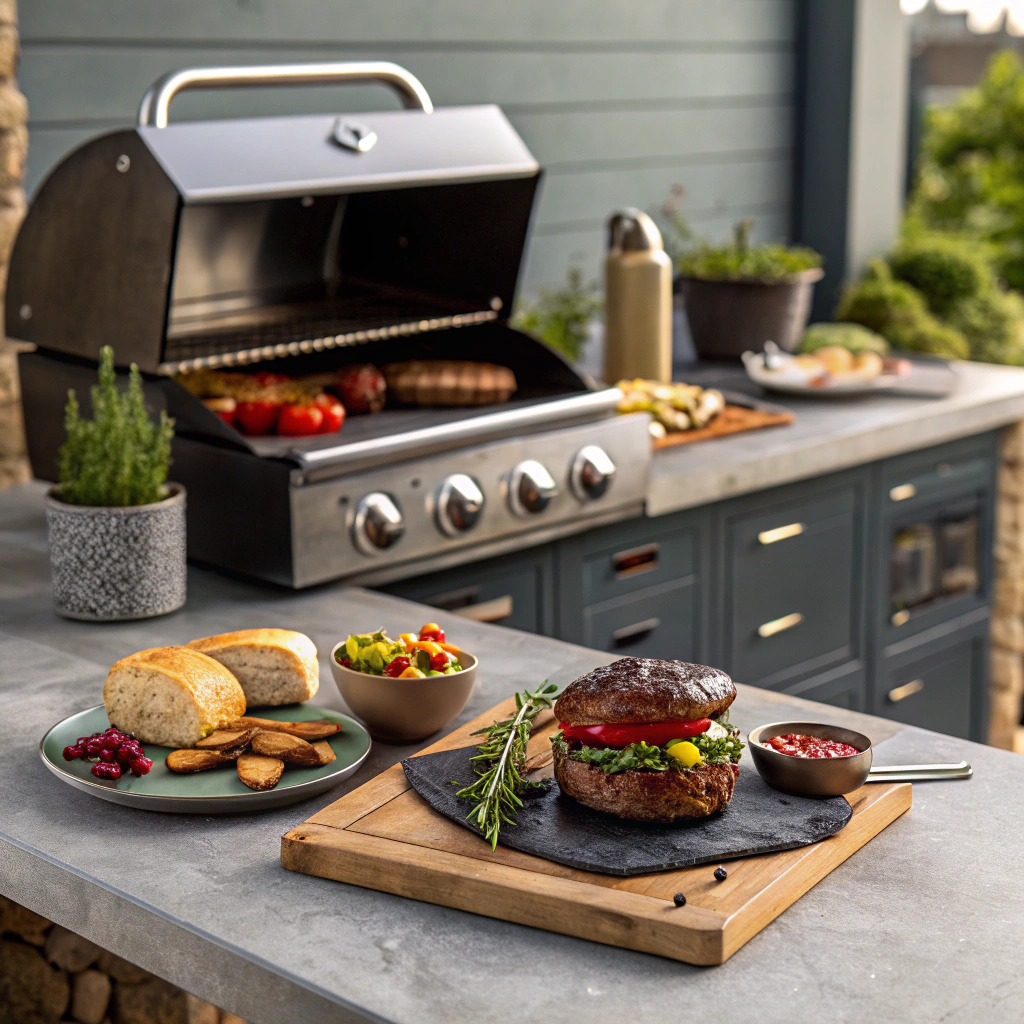
Creating the ultimate BBQ kitchen setup is essential for anyone who loves outdoor grilling. A well-organized space not only enhances efficiency but also ensures that you have all the tools and ingredients at your fingertips, making the grilling process smoother and more enjoyable. Imagine firing up your grill, knowing that everything you need is right where it should be.
From the selection of essential tools to the arrangement of ingredients, each element plays a crucial role in achieving that perfect grilled flavor. This setup not only streamlines your cooking but also allows you to focus more on the joy of grilling and less on searching for misplaced items. Whether you're a seasoned grill master or just starting, mastering the art of BBQ kitchen setup will elevate your skills and impress your guests.
To create an efficient BBQ kitchen, you will need some essential equipment. Start with a high
Don't forget a meat thermometer to ensure food safety, keeping track of internal temperatures for meats. Having a cooler or designated space for drinks will keep your guests refreshed without interrupting your grilling. Lastly, consider having a fire extinguisher nearby for safety, as grilling involves open flames.
For a successful BBQ kitchen setup, organization is key. Keep your grilling tools within arm's reach on a dedicated rack or in a toolbox. Pre-prepare your ingredients, marinating meats and chopping vegetables ahead of time, to minimize chaos during cooking. Always use separate cutting boards for raw meats and vegetables to prevent cross-contamination.
Safety is paramount; ensure that all meats are cooked to their safe internal temperatures. For chicken, this means reaching 165°F, ground beef should reach 160°F, and pork must hit 145°F with a three-minute rest. Always wash your hands after handling raw meat and keep surfaces sanitized. Finally, have a plan for managing flare-ups, such as moving food to a cooler part of the grill.

Store leftover grilled items in airtight containers in the refrigerator for up to three days. Reheat thoroughly before consumption.
Consider various setups based on the type of grilling you prefer. For a more traditional BBQ experience, focus on charcoal grilling, which requires a slightly different preparation and toolset than gas grilling. You could also create a themed BBQ kitchen setup for specific cuisines, like a Tex-Mex or Mediterranean style, incorporating unique spices and grilling techniques.
Additionally, think about your serving style; a buffet setup for larger gatherings or a plated approach for smaller, more intimate dinners can change the atmosphere of your outdoor event. Experiment with different marinades and rubs to keep things exciting and encourage your guests to try new flavors.
Once your grilling is complete, consider how to present your food. Use platters to showcase grilled meats alongside colorful sides like grilled vegetables or salads. A garnish of fresh herbs can enhance the visual appeal. Encourage guests to create their own plates by setting up a serving station with various sauces and toppings.
As an added touch, setting up a comfortable seating area with outdoor lights will create a welcoming atmosphere for your guests to enjoy their meals and share stories over delicious BBQ.
| Problem | Solution |
|---|---|
| The meat is burning on the outside while remaining undercooked on the inside. | Adjust the heat by moving the meat to a cooler part of the grill and closing the lid to cook it through without additional charring. Use a meat thermometer to check internal temperatures regularly. |
| Flare-ups are occurring frequently, causing charring. | Keep a spray bottle of water nearby to douse flare-ups and manage heat levels. Additionally, avoid using too much oil on the grill or placing fatty cuts of meat directly over high flames. |
What is the best way to prevent cross-contamination while grilling?
Use separate cutting boards for raw meats and vegetables, and wash hands frequently.
How can I tell when my grill is ready for cooking?
A properly preheated grill should feel hot when you hold your hand above it for a few seconds; for gas grills, look for a consistent flame.
