
📌 Love these? Pin your favorites—it helps us grow!
Imagine coming home to the delightful aroma of a beef pot roast, tender and rich, after a long day. This comforting dish is perfect for family dinners or special occasions. It's a meal that warms the heart and satisfies the soul.
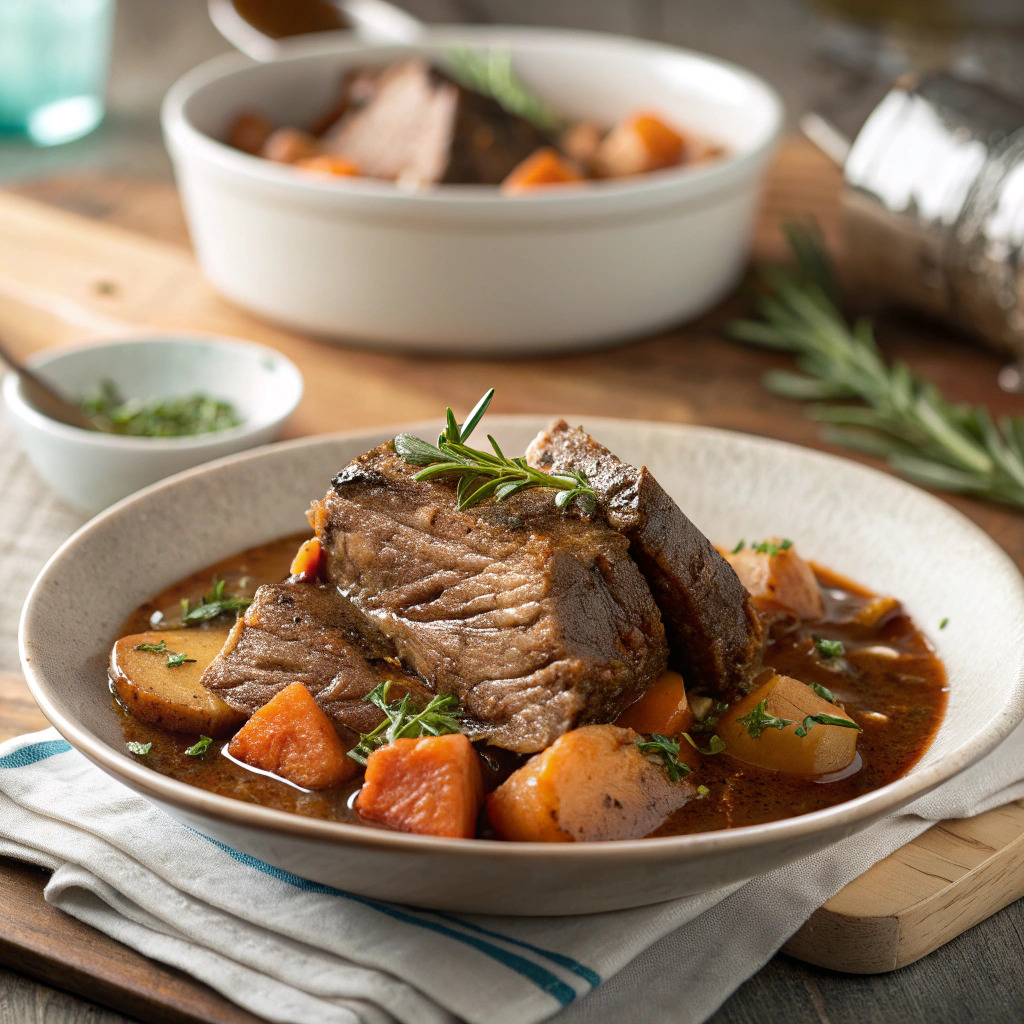
Beef pot roast is a classic dish that showcases the beauty of slow cooking. The method allows tough cuts of beef to become incredibly tender, soaking up the flavors of herbs, vegetables, and broth. What makes this recipe special is the balance of seasonings that enhance the natural richness of the beef, creating a savory, hearty meal that feels like a warm hug on a plate. The slow-cooking process not only develops deep flavors but also makes the meat melt-in-your-mouth tender. This is a dish that brings people together, perfect for gatherings or cozy family nights. With just a bit of preparation, you can set it to cook and let the magic happen, resulting in a comforting and delicious meal that will impress everyone at the table.
For this recipe, you'll need a heavy
When preparing beef pot roast, choose a cut like chuck roast or brisket for the best results, as these cuts become tender during slow cooking. Always brown the meat first to enhance its flavor, creating a nice crust that seals in juices. During cooking, check the roast occasionally to ensure it remains submerged in the liquid; this helps maintain moisture. For safety, remember to wash your hands and any surfaces that come into contact with raw beef. Use a meat thermometer to check the internal temperature of the beef, ensuring it reaches at least 160°F. After cooking, let the roast rest for about 15 minutes before slicing; this allows the juices to redistribute. Store any leftovers in an airtight container in the refrigerator for up to four days.

Store any leftovers in an airtight container in the refrigerator for up to four days. Reheat gently on the stovetop or in the microwave.
To customize your beef pot roast, consider adding different vegetables such as parsnips or turnips for added flavor and texture. You can also experiment with herbs, using rosemary or thyme to complement the dish. For a twist, try adding a splash of red wine or balsamic vinegar to the cooking liquid for depth. If you're looking for a lighter option, you could substitute the beef with a pork roast, adjusting the cooking time accordingly. Additionally, for a spicier kick, add some crushed red pepper flakes or a dash of hot sauce to the broth.
Serve the beef pot roast on a large platter, accompanied by the tender vegetables from the cooking pot. Drizzle the rich cooking juices over the meat for added flavor. This dish pairs wonderfully with creamy mashed potatoes or a side of crusty bread to soak up the delicious sauce. Consider garnishing with fresh parsley for a pop of color. For a complete meal, offer a crisp green salad or steamed green beans on the side.
| Problem | Solution |
|---|---|
| The beef pot roast is tough and chewy. | This can happen if the meat is not cooked long enough or at a low enough temperature. Ensure you're using a cut that benefits from slow cooking, and give it ample time to break down. If using a slow cooker, consider extending the cooking time. |
| The pot roast lacks flavor. | This may be due to insufficient seasoning or not browning the meat properly. Make sure to season the meat generously before cooking and take the time to brown it in the pan to develop a richer flavor profile. |
| The vegetables are mushy. | To prevent this, add heartier vegetables like carrots and potatoes at the beginning of cooking and more delicate vegetables like peas or green beans in the last hour to maintain their texture. |
Can I use a different cut of beef for pot roast?
Yes, you can use cuts like brisket or round, but chuck roast is recommended for its tenderness.
How do I know when the pot roast is done?
The pot roast is done when it reaches an internal temperature of at least 160°F and is fork-tender.
Can I make this recipe in a slow cooker?
Absolutely! Follow the same steps and cook on low for about eight hours or until tender.
