
📌 Love these? Pin your favorites—it helps us grow!
Savor the taste of a perfectly cooked beef steak that melts in your mouth. This classic dish is not only a favorite for its rich flavor but also for its simple yet elegant preparation.
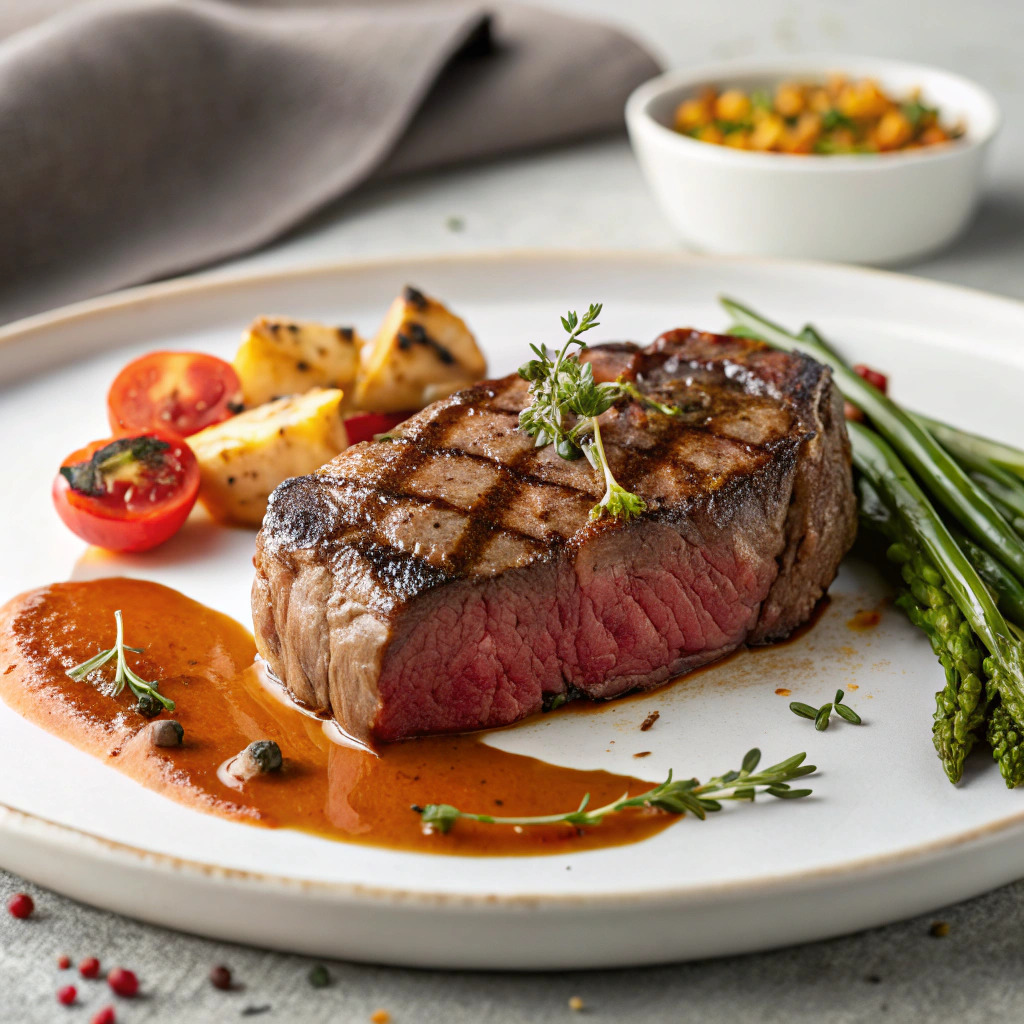
This beef steak recipe brings the joy of high-quality dining right into your home. The beauty of a well-cooked steak lies in its simplicity, allowing the natural flavors of the beef to shine through. Using fresh ingredients and proper techniques, you can achieve a restaurant-quality meal that impresses family and friends alike. The key is in selecting the right cut of beef, seasoning it correctly, and cooking it to the ideal temperature. This recipe ensures that each bite is tender and juicy, providing a satisfying experience that everyone will love. Whether it's a special occasion or a casual weeknight dinner, a beautifully cooked steak is always a hit.
Pair it with your favorite sides, and you've got a meal that’s both hearty and delicious.
To prepare this beef steak, you will need a few essential tools.
For the best results, always start with high-quality beef. Look for cuts like ribeye, sirloin, or filet mignon, and make sure they are at room temperature before cooking. Season generously with salt and pepper to enhance the flavor. Cooking your steak to the proper temperature is essential; use a meat thermometer to check for doneness. Aim for 145°F for medium-rare, allowing the steak to rest for a few minutes to redistribute the juices. Always wash your hands and surfaces thoroughly after handling raw meat to avoid cross-contamination. Keep utensils separate for raw and cooked meat and ensure all cooking surfaces are sanitized. Following these safety tips will not only keep you safe but also ensure a delicious meal.

Store any leftovers in an airtight container in the refrigerator for up to three days. Reheat gently to avoid drying out the meat.
Consider adding a marinade to your beef steak for an extra layer of flavor. A mixture of soy sauce, garlic, and herbs can transform the taste. If you enjoy a bit of heat, try incorporating chili powder or pepper flakes into your seasoning blend. For a unique twist, top the steak with a compound butter made from herbs and garlic after cooking. This will melt over the hot steak, adding richness. Alternatively, experiment with different cooking methods such as broiling or sous-vide for precise temperature control. Each variation can yield delicious results while keeping the essence of the beef steak intact.
Serve your beef steak alongside classic sides such as roasted vegetables, mashed potatoes, or a fresh green salad. A simple chimichurri sauce can elevate the dish further, adding brightness to the rich meat. For a complete dining experience, pair the meal with a robust red wine that complements the flavors of the steak. Garnish with fresh herbs like parsley or thyme for an appealing presentation. Enjoying the steak with family or friends makes the meal even more special, turning a simple dish into a cherished moment.
| Problem | Solution |
|---|---|
| The steak is tough and chewy. | This can happen if the steak is overcooked or from a tough cut of meat. Always use a meat thermometer to check doneness and select cuts known for tenderness. |
| The steak is too salty. | Ensure you’re measuring your seasoning accurately. If you find it too salty, try serving it with unsalted sides to balance the flavor. |
| The outside of the steak is burnt while the inside is undercooked. | Make sure your skillet is preheated properly and avoid cooking on too high heat. Adjust the cooking time according to thickness and let the steak rest before slicing. |
| The steak is dry. | Overcooking leads to dryness. Always monitor the temperature and rest the steak after cooking to retain moisture. |
| The steak lacks flavor. | Make sure to season adequately before cooking and consider marinating for additional flavor. Experimenting with spices can also enhance the taste. |
What is the best cut of beef for steak?
Ribeye, sirloin, and filet mignon are popular choices for their tenderness and flavor.
How can I tell if my steak is done?
Using a meat thermometer is best; aim for 145°F for medium-rare.
Can I cook steak without a skillet?
Yes, grilling or broiling are great alternatives for cooking steak.
Should I marinate my steak?
Marinating can add flavor, but it's not necessary for high-quality cuts.
How long should I let steak rest?
Rest the steak for at least five minutes to allow juices to redistribute.
