
📌 Love these? Pin your favorites—it helps us grow!
Beef stew is the epitome of comfort food, combining tender chunks of meat with rich, savory flavors that warm the soul. This classic dish is perfect for chilly evenings and brings family together around the table.
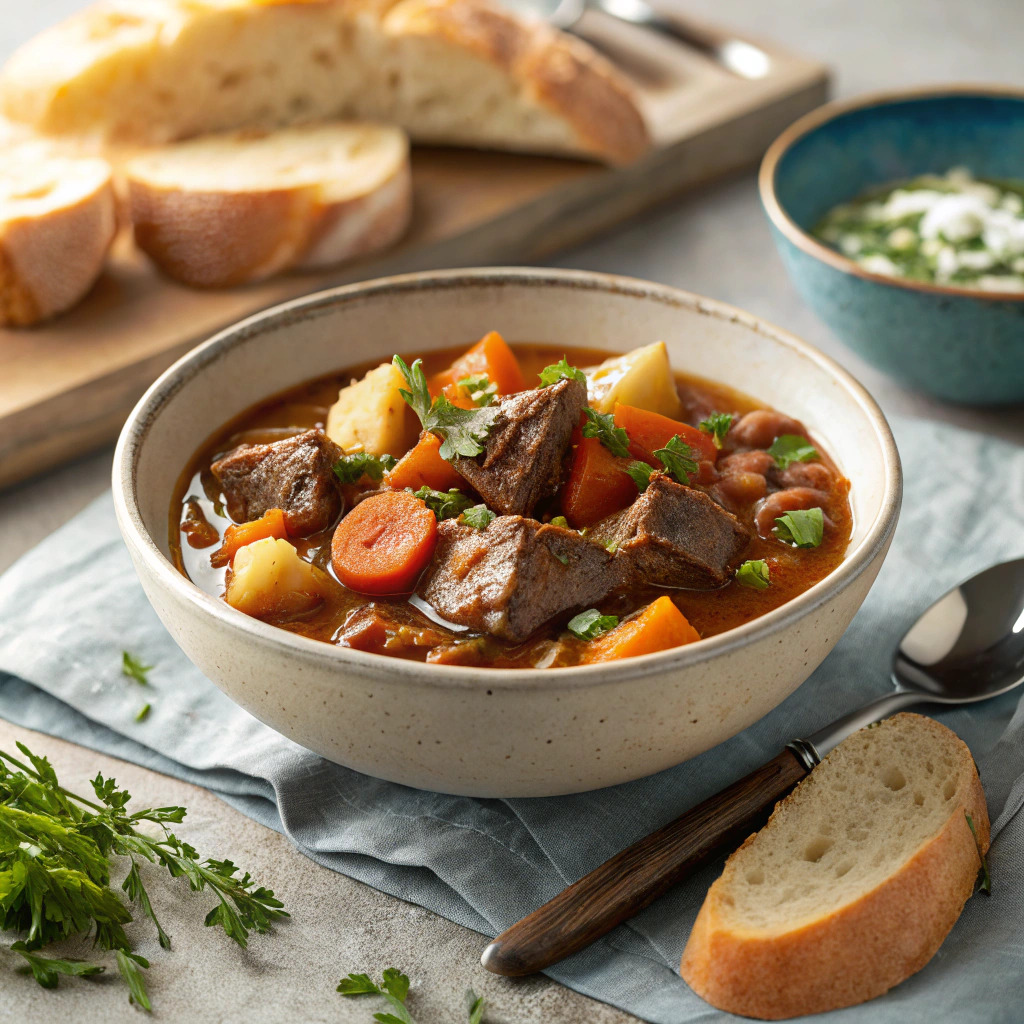
This beef stew recipe is special because it embraces simplicity while delivering deep, hearty flavors. Utilizing quality cuts of beef, fresh vegetables, and aromatic herbs, this dish transforms into a warm hug in a bowl. The slow cooking process allows the flavors to meld beautifully, resulting in tender meat that practically falls apart with a fork. Each spoonful carries the essence of home-cooked goodness, making it a favorite among many. Whether served on a cold winter night or as a comforting meal any time of the year, this beef stew is sure to impress. The addition of potatoes and carrots not only adds texture but also complements the rich broth, making it a complete meal that is satisfying and nourishing.
To prepare this beef stew, you will need essential kitchen equipment.
When making beef stew, choose a cut of meat that benefits from slow cooking, such as chuck roast, which becomes tender and flavorful over time. To enhance the depth of flavor, sear the beef in batches to achieve a nice brown crust. This caramelization process adds complexity to the stew. Be cautious with seasoning; always taste before adding more salt. It's also important to let the stew simmer gently, allowing the flavors to develop without boiling. Make sure to check that the beef reaches an internal temperature of 160°F for safety. When handling raw meat, wash your hands and any surfaces that come into contact with it to prevent cross-contamination. Always store leftovers in an airtight container and refrigerate within two hours of cooking.

Store leftover beef stew in an airtight container in the refrigerator for up to three days. Reheat on the stovetop or in the microwave before serving.
For those looking to customize their beef stew, there are several delightful variations to consider. Adding mushrooms can introduce an earthy flavor, while a splash of red wine enhances the richness of the broth. For a touch of heat, consider incorporating diced jalapeños or a pinch of cayenne pepper. If you prefer a thicker stew, you can mix a tablespoon of cornstarch with cold water and stir it into the pot towards the end of cooking. For a lighter version, substitute beef with lamb or even a plant-based protein. Each variation can bring a unique twist to the classic beef stew while maintaining its comforting essence.
Serve the beef stew piping hot, garnished with fresh parsley for a touch of color and brightness. It pairs wonderfully with crusty bread or warm biscuits, perfect for sopping up the rich broth. Consider serving it alongside a simple green salad to balance the meal. For an even cozier experience, you can ladle the stew into bowls and top it with a sprinkle of cheese or some croutons for added texture. This dish not only satisfies hunger but also brings a sense of warmth and togetherness to any gathering.
| Problem | Solution |
|---|---|
| The beef is tough after cooking. | This may be due to not cooking it long enough. Ensure the stew simmers gently for at least two hours or until the beef is fork-tender. Adding more liquid can also help if the stew seems too thick. |
| The stew is too salty. | To balance out excessive saltiness, add more vegetables or a potato to absorb some of the salt. Allow it to cook longer to incorporate the new ingredients. |
Can I use a different cut of beef for the stew?
Yes, cuts like brisket or round can also work, but they may require different cooking times.
How can I make the stew thicker?
You can add a slurry of cornstarch and water or mash some of the potatoes to thicken the broth.
