
📌 Love these? Pin your favorites—it helps us grow!
Chickpea pasta is a delightful and nutritious alternative to traditional pasta, offering a high-protein and gluten-free option that doesn't compromise on flavor. It's perfect for those seeking a healthier lifestyle or anyone looking to explore new culinary horizons.
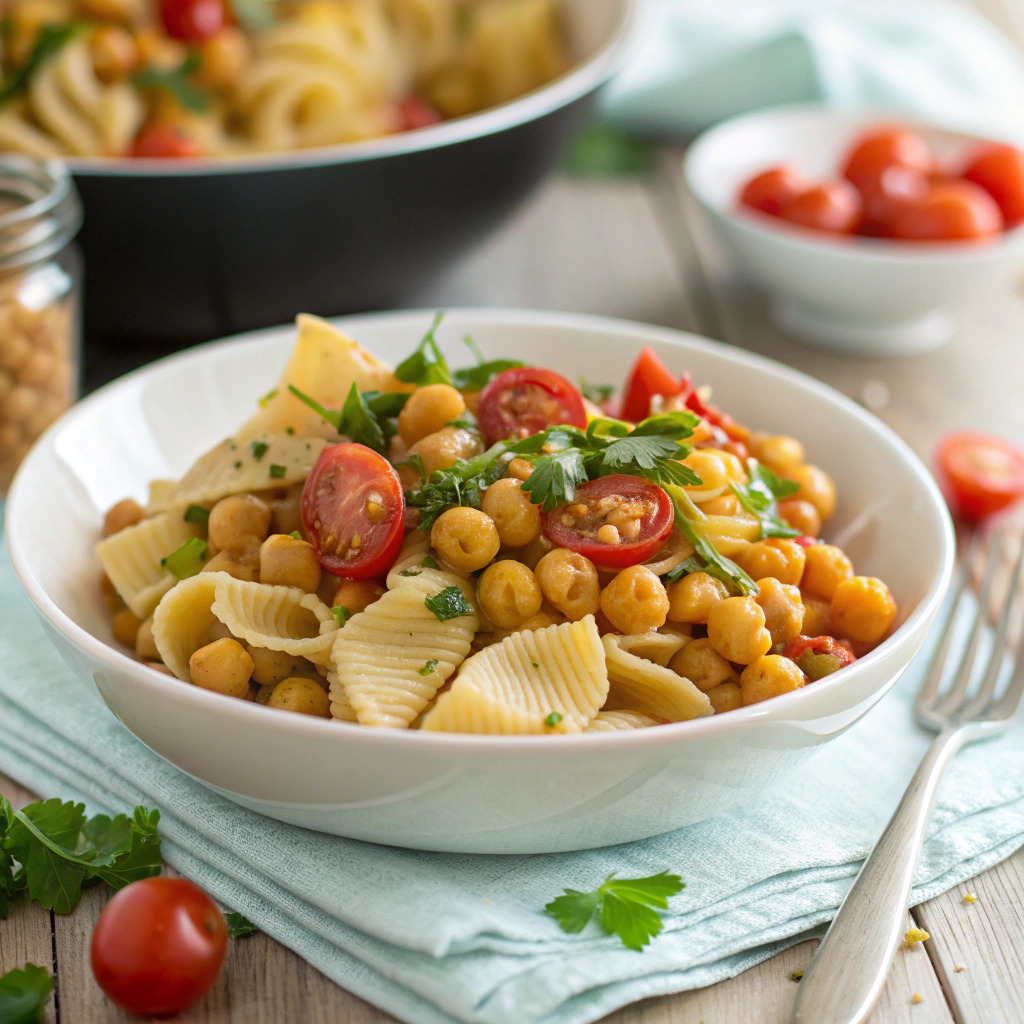
This recipe for chickpea pasta is special because it combines the health benefits of chickpeas with the comforting texture of pasta. Chickpeas are rich in protein and fiber, making this dish not only satisfying but also nourishing. The vibrant flavors and versatility of chickpea pasta allow it to pair beautifully with a variety of sauces, vegetables, and proteins. Whether you are gluten intolerant or simply looking to incorporate more plant-based ingredients into your diet, this recipe will quickly become a go-to meal that everyone will love.
The preparation is straightforward, making it accessible to cooks of all skill levels. With the right ingredients and a bit of care, you can create a delicious, wholesome dish that is as enjoyable to eat as it is to make. This chickpea pasta recipe can be served as a main course or a side dish, and it holds up well in leftovers, making it an excellent option for meal prep.
To prepare chickpea pasta, you will need a few essential pieces of equipment.
For the best results, be sure to cook the chickpea pasta according to the package instructions, as different brands may have varying cooking times. Always taste the pasta a minute or two before the recommended time to ensure it is cooked al dente. When draining the pasta, do not rinse it unless specified, as this can wash away the starch that helps sauces adhere.
Safety is crucial when handling food. Ensure that your workspace and utensils are clean, and avoid cross-contamination by using separate cutting boards for vegetables and meat. If you choose to add proteins such as chicken or shrimp to your dish, make sure they reach the appropriate internal temperatures: chicken must be cooked to 165°F, and shrimp should be opaque and firm. Always wash your hands before and after handling food.

Store any leftovers in an airtight container in the refrigerator for up to three days. Reheat gently before serving.
There are numerous ways to customize chickpea pasta to suit your taste. For a Mediterranean twist, consider adding olives, sun-dried tomatoes, and feta cheese. For a more Italian flavor, toss the pasta with marinara sauce, sautéed garlic, and basil. You can also incorporate seasonal vegetables like zucchini, spinach, or bell peppers for extra nutrients and flavor. For a vegan option, use a plant-based sauce or simply dress the pasta with olive oil, lemon juice, and your choice of herbs. The versatility of chickpea pasta means that you can experiment with different ingredients and cuisines, making each meal unique.
Chickpea pasta can be served immediately after cooking for the best texture. Toss it with your favorite sauce and garnish with fresh herbs or grated cheese for added flavor. Consider serving it alongside a crisp salad or roasted vegetables to create a well-rounded meal. If you have leftovers, store the pasta separately from the sauce to maintain its quality. Reheat gently on the stovetop or in the microwave, adding a splash of water or olive oil to prevent it from drying out.
| Problem | Solution |
|---|---|
| The chickpea pasta is mushy. | This may occur if the pasta is overcooked. Always monitor the cooking time closely and taste the pasta a minute or two before the recommended time to ensure it remains al dente. |
| The sauce is too thick. | If your sauce becomes too thick after cooking, add a little reserved pasta water to loosen it. The starchy water helps bind the sauce to the pasta and enhances the overall flavor. |
| The pasta is sticking together. | To prevent sticking, ensure you have enough boiling water when cooking and stir the pasta occasionally during the cooking process. If you find that it’s still sticking, a drizzle of olive oil can help after draining. |
Is chickpea pasta gluten-free?
Yes, chickpea pasta is gluten-free, making it a great alternative for those with gluten sensitivities.
How does chickpea pasta compare in protein to regular pasta?
Chickpea pasta contains significantly more protein than traditional wheat pasta, making it a healthier choice.
Can I store chickpea pasta after cooking?
Yes, you can store cooked chickpea pasta in the refrigerator for up to three days. Just make sure to keep it separate from the sauce.
