
📌 Love these? Pin your favorites—it helps us grow!
Cottage cheese pasta sauce offers a deliciously creamy alternative to traditional sauces, packed with protein and nutrients. It's a quick and easy way to elevate your pasta dishes while keeping them healthy.
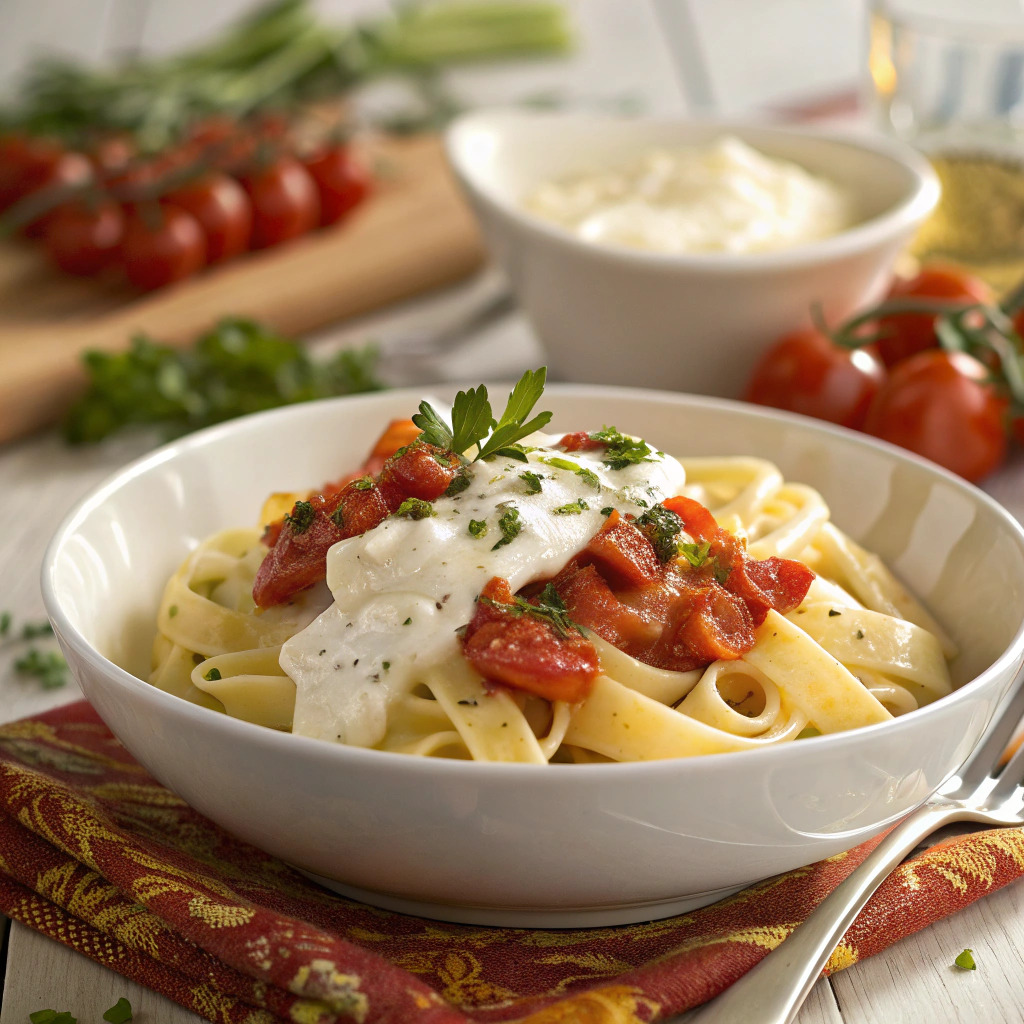
This cottage cheese pasta sauce is a unique twist on classic pasta sauces, combining the rich creaminess of cottage cheese with flavorful ingredients to create a satisfying meal. Not only is this sauce simple to prepare, but it also provides a healthier option without sacrificing taste. The cottage cheese blends seamlessly with garlic, herbs, and a touch of olive oil, resulting in a smooth and velvety sauce that clings beautifully to your favorite pasta. This recipe is particularly special for those looking to incorporate more protein into their diet, as cottage cheese is an excellent source. Serve it over whole grain pasta or zoodles for an even healthier option. The versatility of this sauce makes it perfect for quick weeknight dinners or elegant gatherings alike.
To make this cottage cheese pasta sauce, you'll need a few essential tools.
When preparing cottage cheese pasta sauce, consider using low-fat cottage cheese to keep it light while still enjoying the creaminess. For added flavor, sauté onions and garlic in olive oil before blending with the cottage cheese. If the sauce is too thick, gradually add pasta cooking water until you reach your desired consistency. Always ensure that any meat used in your pasta dish is cooked to the appropriate temperature, such as ground beef reaching 160°F or chicken reaching 165°F. Be cautious when handling raw ingredients and always wash your hands after handling meat. Store any leftovers in an airtight container in the refrigerator to maintain freshness.

Store any leftover sauce in an airtight container in the refrigerator for up to three days. Reheat gently on the stovetop or in the microwave.
There are many delicious variations to explore with cottage cheese pasta sauce. You can incorporate fresh herbs such as basil or parsley for added flavor and freshness. For a spicier kick, consider adding red pepper flakes or diced jalapeños. If you're looking for a richer taste, mix in a bit of grated Parmesan cheese or nutritional yeast for a vegan option. You can also add sautéed vegetables like spinach, mushrooms, or bell peppers to enhance the nutritional value and texture. This sauce can be easily adapted to suit your personal preferences.
Cottage cheese pasta sauce pairs wonderfully with a variety of pasta shapes, from penne to spaghetti. Once prepared, toss the sauce with your cooked pasta until evenly coated. For an extra touch, garnish with fresh herbs, a sprinkle of cheese, or a drizzle of olive oil. This dish is perfect for a cozy family dinner or a casual lunch with friends. Serve it alongside a simple green salad and crusty bread for a complete meal.
| Problem | Solution |
|---|---|
| The sauce is too lumpy. | Blend the sauce for a longer period until it reaches a smooth consistency. You may also strain it through a fine-mesh sieve if necessary. |
| The sauce is too thick. | Gradually add reserved pasta cooking water to thin it out to your desired consistency. |
| The sauce lacks flavor. | Enhance the flavor by adding more herbs, spices, or even a splash of lemon juice for brightness. |
| The sauce is too watery. | Simmer it on low heat for a few minutes to reduce excess liquid until it thickens. |
| The pasta is overcooked. | Always keep an eye on the cooking time and taste the pasta a minute before the package instructions to ensure it's al dente. |
Can I use low-fat cottage cheese?
Yes, low-fat cottage cheese works well for this recipe.
Can I make this sauce ahead of time?
Yes, you can prepare the sauce in advance and store it in the refrigerator.
How can I make the sauce vegan?
Use a dairy-free cottage cheese alternative and omit any cheese garnishes.
What pasta works best with this sauce?
This sauce pairs well with any pasta type, including gluten-free options.
Can I freeze the sauce?
Yes, the sauce can be frozen for up to three months; just thaw and reheat before serving.
