
📌 Love these? Pin your favorites—it helps us grow!
Experience the ultimate comfort food with this crock pot turkey breast recipe. Perfectly juicy and flavorful, it's an easy way to enjoy a delicious meal without the hassle of traditional roasting.
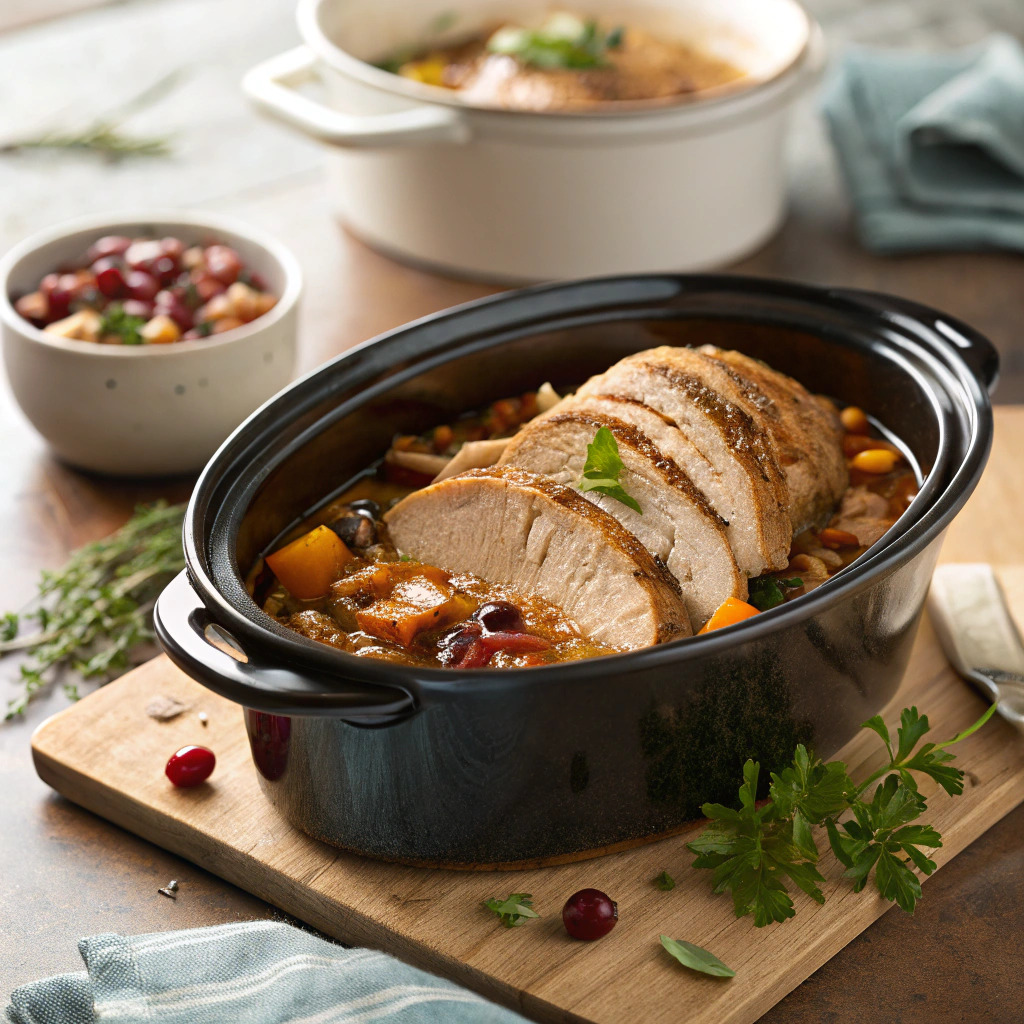
This crock pot turkey breast recipe is a game-changer for busy cooks and turkey lovers alike. Cooking turkey in a slow cooker ensures the meat stays moist and tender, allowing the flavors to meld beautifully over time. The gentle heat allows the turkey to cook evenly, making it a perfect choice for family gatherings or meal prep. The addition of aromatic herbs and savory broth infuses the turkey with rich flavors, making each bite memorable. Whether you’re preparing a holiday feast or a simple weeknight dinner, this recipe will impress everyone at the table. Plus, the ease of preparing everything in one pot means less cleanup and more time to enjoy your meal.
To prepare this dish, you will need a few essential tools.
For the best results, here are some tips to keep in mind. Always ensure the turkey is fully thawed before cooking to promote even cooking. Season the turkey generously for maximum flavor and consider using a brine overnight for enhanced moisture. Make sure to monitor the internal temperature with a meat thermometer, aiming for at least 165°F to ensure it is safe to eat. After cooking, let the turkey rest for a few minutes before slicing to retain all the juices. If leftovers are anticipated, store them in an airtight container in the refrigerator within two hours of cooking to prevent bacterial growth. Always wash your hands and surfaces after handling raw turkey to avoid cross-contamination.

Store any leftovers in an airtight container in the refrigerator for up to four days. Reheat in the microwave or on the stove to enjoy later.
For those looking to switch things up, there are several variations to consider. You can experiment with different herb blends, such as rosemary and thyme, or even add citrus slices like oranges or lemons for a refreshing twist. Adding vegetables like carrots, onions, and potatoes to the crock pot can create a complete meal in one go. For a spicier kick, consider incorporating chili powder or your favorite hot sauce. If you prefer a sweeter flavor, a honey glaze can be applied during the last hour of cooking for a delicious finish. Each of these variations can create a unique taste experience while maintaining the core elements of the recipe.
Once the turkey is cooked and rested, slice it against the grain for the most tender pieces. Serve it alongside your favorite sides such as mashed potatoes, green beans, or cranberry sauce for a classic meal. The flavorful juices can be drizzled over the turkey to enhance its moistness. For a more casual presentation, consider shredding the turkey and serving it on sandwiches with your choice of toppings. This recipe is perfect for any occasion, bringing warmth and satisfaction to your dining experience.
| Problem | Solution |
|---|---|
| The turkey is dry after cooking. | Ensure the turkey is not overcooked, as it should reach an internal temperature of 165°F. Consider using a brine beforehand to lock in moisture. |
| The turkey is not flavorful enough. | Season the turkey well and consider marinating overnight. Adding broth and herbs can enhance the flavor profile as it cooks. |
| The skin is not crispy. | The slow cooker does not allow for crispy skin. For a crispy finish, you can broil the turkey in the oven for a few minutes after cooking. |
| The turkey is falling apart. | While this can be a sign of tenderness, if it is too mushy, it may have been overcooked. Monitor cooking times and temperatures closely for future attempts. |
Can I use a frozen turkey breast?
It is recommended to thaw the turkey breast completely before cooking for even cooking.
How do I know when the turkey is done?
Use a meat thermometer to check that the internal temperature reaches at least 165°F.
Can I cook this recipe on high heat?
Yes, you can cook on high for about three to four hours, but low heat is recommended for better moisture.
What can I do with leftovers?
Leftovers can be used in sandwiches, salads, or as a topping for rice or pasta.
