
📌 Love these? Pin your favorites—it helps us grow!
Experience the delightful aroma and taste of homemade gluten-free focaccia bread. This recipe promises a soft, flavorful loaf that everyone can enjoy, regardless of dietary restrictions.
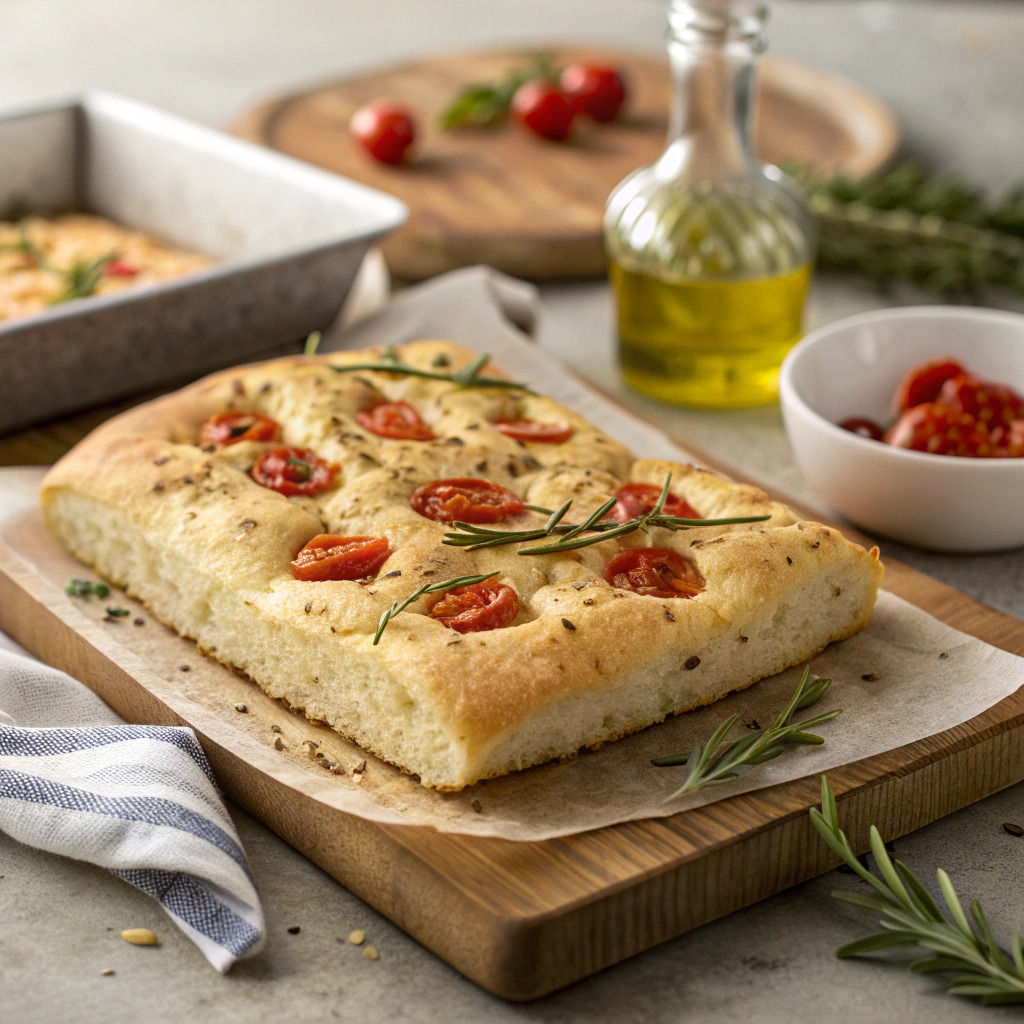
This gluten-free focaccia bread recipe is special because it captures the essence of traditional Italian bread while accommodating those with gluten sensitivities. The combination of gluten-free flours creates a texture that is soft and airy, perfect for dipping in olive oil or serving alongside soups and salads. The herbs and spices enhance the flavor profile, making it a versatile addition to any meal. This bread is not only easy to make but also fills your home with a warm and inviting aroma. It’s a great way to enjoy a classic without worry, as it’s crafted to ensure everyone can partake in its deliciousness. Whether you are gluten intolerant or simply looking to try something new, this focaccia bread will not disappoint. It’s ideal for gatherings or as a comforting snack at home.
To make gluten
For the best results, ensure all your ingredients are at room temperature before starting. When measuring gluten-free flour, it’s crucial to spoon the flour into the measuring cup and level it off to avoid using too much. For added flavor, consider mixing in fresh herbs like rosemary or thyme directly into the dough. Always remember to check the internal temperature of the bread; it should reach a minimum of 190°F for proper doneness. Allow the bread to cool before slicing to maintain its texture. If you have any leftovers, store them in an airtight container at room temperature for up to three days, or freeze for longer storage. When handling raw ingredients, keep surfaces and utensils clean to avoid cross-contamination.

Store any leftover focaccia in an airtight container at room temperature for up to three days, or freeze for longer storage.
To add unique flavors to your gluten-free focaccia bread, consider incorporating toppings like sliced olives, sun-dried tomatoes, or caramelized onions. You can also experiment with different herbs, such as oregano or basil, to create a customized taste. For a cheesy version, sprinkle grated Parmesan or mozzarella on top before baking. If you prefer a sweeter bread, drizzle honey or sprinkle cinnamon and sugar over the dough. These variations will allow you to enjoy this bread in numerous ways, making it a staple for any meal.
Serve gluten-free focaccia bread warm, drizzled with high-quality olive oil or balsamic vinegar for dipping. It pairs wonderfully with soups, salads, or as part of a charcuterie board. For a delightful appetizer, cut the focaccia into bite-sized pieces and serve alongside your favorite spreads. You can also enjoy it as a sandwich bread, filling it with meats, cheeses, and vegetables for a satisfying lunch option. The possibilities are endless with this delicious and soft focaccia bread.
| Problem | Solution |
|---|---|
| The bread turned out too dense. | Ensure you are measuring your flour correctly and not packing it into the cup. Also, allow the dough enough time to rise; gluten-free dough often needs longer to achieve the right texture. |
| The crust is too hard. | Try reducing the oven temperature slightly and cover the bread with foil during baking to keep it from browning too quickly. |
| The bread didn’t rise properly. | Check the freshness of your baking powder and yeast, as expired leavening agents can prevent the dough from rising. |
Can I use a different gluten-free flour?
Yes, as long as it is a blend that includes xanthan gum or you add it separately.
How can I make this bread dairy-free?
Simply substitute the olive oil for a dairy-free margarine or leave it out.
What can I serve with focaccia bread?
It pairs well with soups, salads, or as a base for sandwiches.
