
📌 Love these? Pin your favorites—it helps us grow!
Homemade English muffins are a delightful way to start your day, offering a perfect balance of soft and fluffy texture with a slightly crisp exterior. Their versatility makes them an ideal base for both sweet and savory toppings, from butter and jam to eggs and cheese.
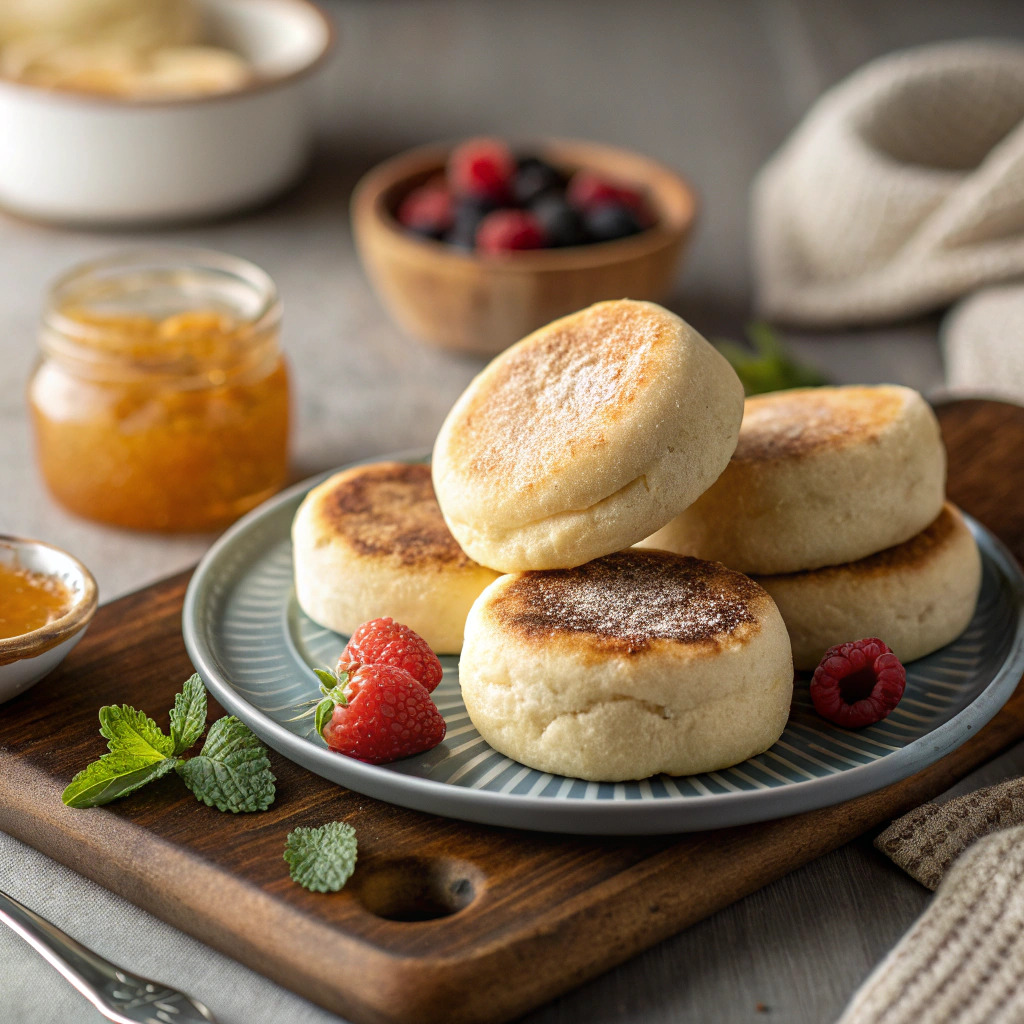
Making homemade English muffins is a rewarding experience that fills your kitchen with an irresistible aroma. This recipe is special because it allows you to create a breakfast classic right at home, with simple ingredients and minimal equipment. The process involves a few key steps that lead to the perfect rise and texture. The beauty of homemade English muffins lies in their nooks and crannies, which hold toppings beautifully, ensuring every bite is flavorful.
Unlike store-bought versions, these muffins are free from preservatives and can be customized to suit your taste. Whether you enjoy them toasted with butter, topped with poached eggs, or even as a base for mini pizzas, homemade English muffins offer endless possibilities. The satisfaction of pulling apart a warm muffin, revealing its airy interior, is a culinary joy that is hard to beat.
To create the perfect homemade English muffins, you'll need a few essential tools.
To ensure your homemade English muffins turn out perfectly, consider these helpful tips. Start by ensuring your yeast is fresh and active; this is crucial for proper rising. When mixing the dough, avoid over-kneading. A gentle touch will keep the muffins light and airy. If your dough appears too sticky, add a bit more flour, but be cautious not to add too much. After shaping the muffins, allow them to rise in a warm place for optimal fluffiness. Always check the internal temperature, ensuring it reaches 190°F to confirm doneness. Food safety is paramount, so make sure to wash your hands and equipment thoroughly before and after handling any ingredients. Keep the muffins stored in an airtight container to maintain their freshness.

Store the muffins in an airtight container at room temperature for up to three days or freeze for longer storage.
There are many delicious variations to explore when making homemade English muffins. Consider adding herbs like rosemary or thyme for an aromatic twist. For a touch of sweetness, mix in dried fruits such as cranberries or blueberries. You can also experiment with different flours, such as whole wheat or oat flour, to give your muffins a unique flavor and texture. For a savory option, try incorporating cheese or spices like garlic powder. Each variation allows you to personalize your muffins and discover new favorites.
Homemade English muffins are best served warm, toasted to enhance their texture and flavor. They pair wonderfully with butter and jam, or you can create a delightful breakfast sandwich with eggs, cheese, and your choice of protein. For a brunch treat, serve them alongside fresh fruit and yogurt. The possibilities are endless, allowing you to enjoy these muffins at any time of day, whether for breakfast, lunch, or an afternoon snack.
| Problem | Solution |
|---|---|
| The muffins are dense and do not rise properly. | Check that your yeast is fresh and active, as expired yeast can prevent proper rising. Ensure your environment is warm enough for the dough to rise, and give it adequate time. |
| The muffins are too dry. | Avoid overmixing the dough and ensure you are measuring your flour accurately. Adding a bit more liquid can help maintain moisture. If they are dry after baking, consider adjusting the baking time or temperature. |
How can I tell if my English muffins are cooked through?
Use a food thermometer to check that the internal temperature of the muffins reaches 190°F.
Can I make these muffins ahead of time?
Yes, you can prepare the dough the night before and refrigerate it. Let it come to room temperature before cooking.
