
📌 Love these? Pin your favorites—it helps us grow!
Imagine the aroma of freshly baked bread filling your kitchen, the crust crackling under your fingers as you slice into its soft, airy interior. This homemade French bread recipe captures the essence of traditional baking, offering a crusty exterior and a delightfully chewy inside that transports you to a quaint Parisian bakery.
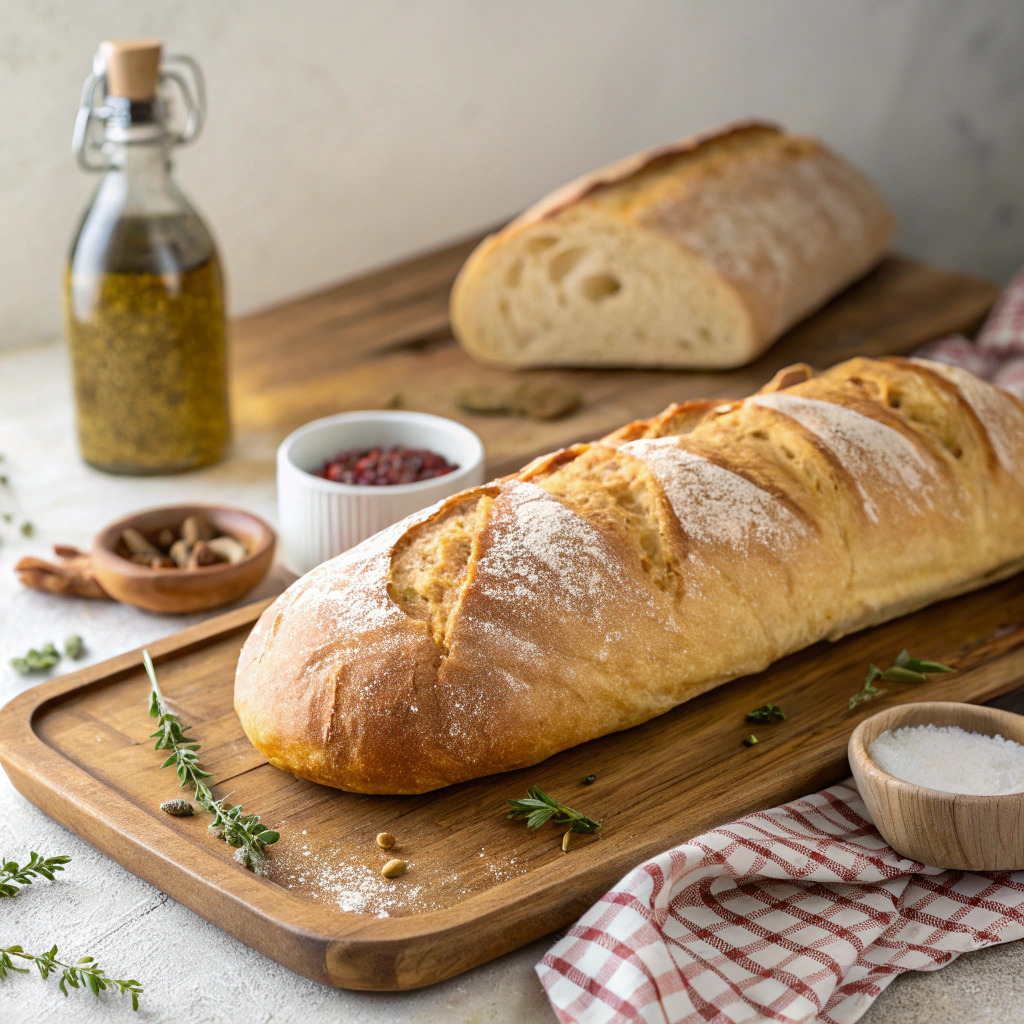
The beauty of homemade French bread lies in its simplicity and the satisfaction that comes from crafting it yourself. With just a few basic ingredients, you can create a loaf that rivals any artisan bakery. The process involves creating a rich, flavorful dough that rises beautifully, resulting in a bread that is perfect for sandwiches, toast, or simply slathered with butter.
This recipe emphasizes the importance of proper kneading and fermentation, allowing the bread to develop a wonderful depth of flavor. The crusty exterior is achieved through steam during baking, which helps create that signature French bread texture. By following this method, you not only create a delicious loaf but also gain a deeper appreciation for the art of bread-making and the joy it brings to your kitchen.
To make this homemade French bread, you will need a few essential tools.
When making homemade French bread, there are several tips to ensure success. Use high-quality bread flour to achieve the best texture and flavor. Knead the dough thoroughly to develop gluten, which gives the bread its structure. Allow the dough to rise in a warm, draft-free area for optimal fermentation. To create steam in the oven, place a shallow pan filled with water on the bottom rack while the bread bakes, promoting a crispy crust. Always check the internal temperature of the bread; it should reach 190°F for a properly baked loaf. Handle all ingredients and kitchen tools with care, especially when dealing with raw flour and yeast, to maintain a safe cooking environment.

Store the bread in a paper bag at room temperature for up to three days or freeze for longer storage.
While this recipe produces a classic loaf of homemade French bread, there are plenty of variations you can try. Add herbs such as rosemary or thyme to the dough for a savory twist. Incorporate roasted garlic or olives for a Mediterranean flavor. For a sweeter option, consider including honey or a sprinkle of cinnamon and sugar to the dough before baking. You can also shape the dough into baguettes or rolls instead of a traditional loaf, allowing for different serving options.
Once your homemade French bread is baked and cooled, it’s time to enjoy it. Slice the bread while still warm and serve it alongside a bowl of olive oil for dipping or with your favorite spreads. It pairs wonderfully with soups and salads, making it a versatile addition to any meal. Consider toasting leftover slices for breakfast, topped with avocado or your choice of jam. Each serving is not just a slice of bread; it's a testament to the care and effort put into the baking process.
| Problem | Solution |
|---|---|
| The bread did not rise properly. | Ensure your yeast is fresh and active before using. If the dough is too cold, it may not rise; try placing it in a warmer area. |
| The crust is too hard. | Bake the bread with steam for the first part of the baking time, then remove the steam source for the remainder to achieve a balanced crust. |
| The bread is too dense. | Make sure to knead the dough adequately and allow enough time for fermentation to develop air bubbles. |
| The bread is gummy inside. | Check the baking time and temperature; the internal temperature should be at least 190°F. |
| The bread is too salty. | Adjust the salt quantity in the recipe to suit your taste, keeping in mind that salt also influences yeast activity. |
Can I use all-purpose flour instead of bread flour?
Yes, but bread flour gives a better texture.
How can I tell if the bread is done baking?
The bread should be golden brown and have an internal temperature of at least 190°F.
Can I make this recipe without a stand mixer?
Absolutely, kneading by hand is effective and traditional.
What should I do if my dough is too sticky?
Add a little more flour during kneading until it reaches the right consistency.
How do I keep the bread fresh longer?
Store it in a paper bag at room temperature or freeze it for longer storage.
