
📌 Love these? Pin your favorites—it helps us grow!
Homemade sauerkraut is a delightful and tangy addition to any meal. This fermented dish not only enhances flavors but also packs a nutritional punch, making it a favorite among health enthusiasts and food lovers alike.
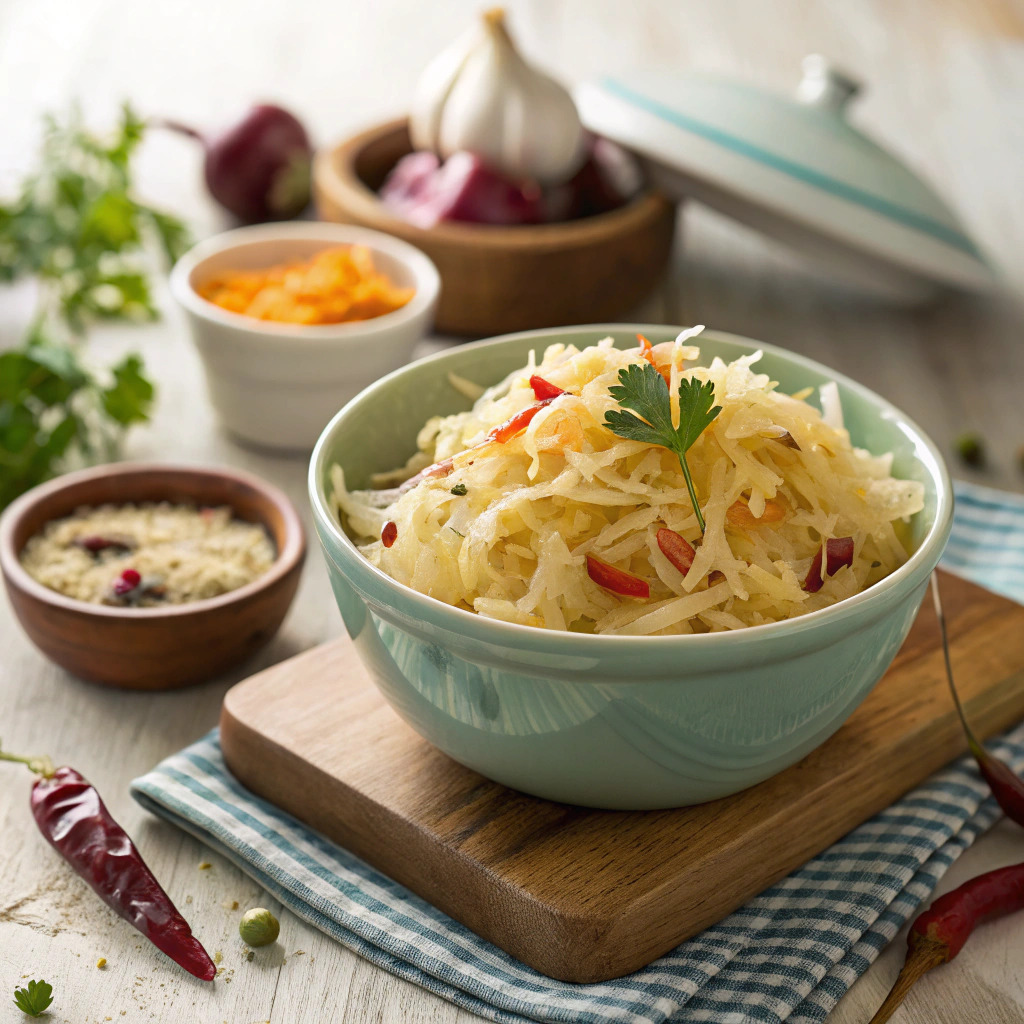
This recipe for homemade sauerkraut is special because it transforms simple cabbage into a tangy, probiotic-rich side dish that can elevate any meal. The fermentation process enriches the cabbage with beneficial bacteria, making it not only tasty but also great for your gut health. Making your own sauerkraut allows for customization in flavor and texture, ensuring a fresh product that you can enjoy at home. Using just a couple of ingredients, this recipe is straightforward and provides a rewarding experience as you watch the transformation happen over the course of several days. Homemade sauerkraut pairs well with a variety of dishes, from sausages to sandwiches, and is an excellent way to preserve cabbage for longer periods. Plus, it's a wonderful introduction to fermentation for those new to the process.
Get ready to embark on a flavorful journey that celebrates the art of fermentation, bringing a taste of old-world cuisine into your kitchen.
To start making homemade sauerkraut, you will need several essential tools.
When preparing homemade sauerkraut, there are several tips to keep in mind for the best results. Use fresh, firm cabbage for optimal crunch and flavor, and remember to wash your hands and equipment thoroughly to prevent unwanted bacteria. Be generous with the salt, as it draws out moisture and helps create an anaerobic environment necessary for fermentation. If you notice any mold forming on the surface, simply remove it carefully; the sauerkraut beneath is still safe to eat. Keep an eye on the temperature during fermentation, ideally between 65°F and 75°F for the best results. Always ensure that the cabbage is submerged in its own brine to prevent spoilage. After about one to four weeks, taste your sauerkraut to determine if it's reached your desired level of tanginess. Once you are satisfied, store it in the refrigerator to slow down the fermentation process.

Store leftover sauerkraut in an airtight container in the refrigerator, where it can last for several months.
There are numerous ways to customize homemade sauerkraut to suit your taste preferences. Adding spices such as caraway seeds, juniper berries, or even a touch of garlic can enhance the flavor profile. For a colorful twist, consider mixing in grated carrots or beets with the cabbage. Experimenting with different types of cabbage, such as red or savoy, can also provide unique flavors and textures. If you prefer a spicier kick, try adding chili flakes or sliced jalapeños to the mix. Each variation not only alters the taste but also brings its own health benefits, making fermenting an exciting culinary adventure.
Homemade sauerkraut can be served in a multitude of ways. It makes an excellent topping for hot dogs, sausages, or sandwiches, adding a satisfying crunch and tanginess. Use it as a flavorful side dish alongside meats or hearty vegetarian meals. Sauerkraut can also be incorporated into salads or grain bowls for an extra layer of flavor. For a traditional experience, serve it with German dishes like schnitzel or bratwurst. The versatility of this dish means it can complement a variety of cuisines, enhancing both the taste and nutritional value of your meals.
| Problem | Solution |
|---|---|
| The sauerkraut is not fermenting or bubbling after a week. | Ensure that the cabbage is fully submerged in the brine, as exposure to air can inhibit fermentation. If needed, add a bit of saltwater to cover the cabbage completely. |
| The sauerkraut tastes too salty. | This can happen if too much salt is used initially. To balance the flavor, rinse the sauerkraut lightly under cold water before serving. This will help reduce the saltiness while still preserving the tangy flavor. |
How long does homemade sauerkraut last?
Homemade sauerkraut can last for several months when stored in the refrigerator.
Can I use other vegetables in my sauerkraut?
Yes, you can add grated carrots, beets, or spices to customize the flavor.
