
📌 Love these? Pin your favorites—it helps us grow!
Homemade fruit leather is a delightful and healthy snack that captures the essence of fresh fruit in a chewy, sweet form. Perfect for kids and adults alike, it's easy to make and can be customized to suit your taste.
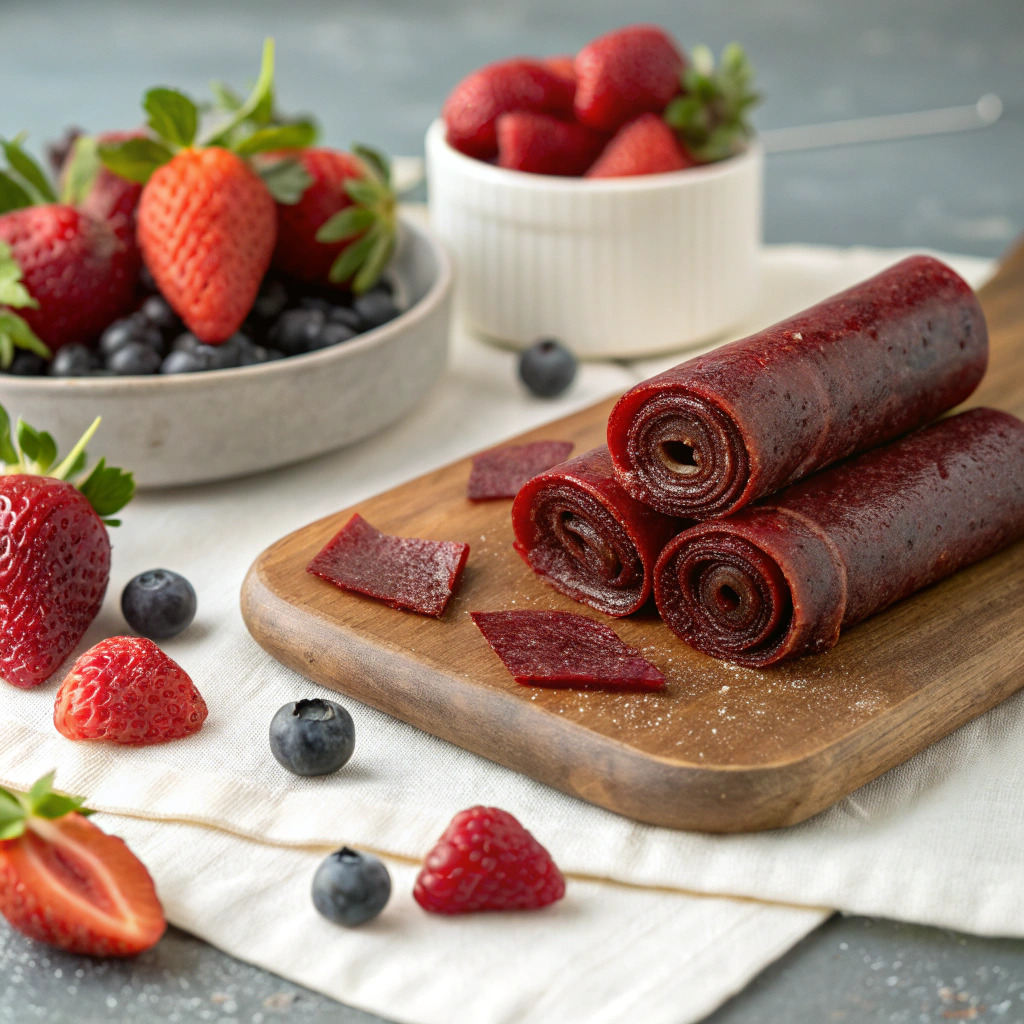
Creating your own fruit leather is not only a fun kitchen project, but it also allows you to control the ingredients and avoid preservatives found in store-bought versions. The combination of fresh fruit and a touch of sweetener results in a naturally flavorful snack. This recipe is great for using up overripe fruits and can be tailored to your preferences. Whether you prefer strawberries, apples, or a mix of your favorite fruits, the process remains simple. The end result is a nutritious treat that can be enjoyed on the go or at home. Making fruit leather is a fantastic way to encourage healthy snacking habits for the whole family.
Homemade fruit leather is also an excellent way to introduce children to cooking, as they can help with blending and pouring the fruit puree. Plus, it provides a sense of accomplishment and pride when they see the final product. This recipe can be an engaging activity for a weekend afternoon or a fun project during the summer months when fruit is at its peak freshness.
To make fruit leather, you will need the following equipment:
Ensure your equipment is clean and sanitized to prevent any foodborne illnesses. Proper food handling is crucial in keeping your snacks healthy and safe.
When making fruit leather, consider these tips for the best results. Start with ripe, flavorful fruits for optimal taste. Wash your fruits thoroughly to remove any dirt or pesticides. If you prefer a sweeter fruit leather, feel free to add a natural sweetener like honey or maple syrup, but use it sparingly to maintain the health benefits. Always monitor the drying process; it can take anywhere from six to eight hours in an oven set at a low temperature or a dehydrator, depending on humidity and thickness of the puree.
To ensure safety, confirm that your fruit leather is fully dried; it should be tacky but not sticky when touched. This prevents moisture that could lead to mold. Once cooled, store the fruit leather in airtight containers or bags to maintain freshness. Avoid cross-contamination by using clean utensils and surfaces when handling the finished product.

Store fruit leather in an airtight container at room temperature for up to one month. For extended storage, refrigerate or freeze.
There are countless variations to explore with fruit leather. Combine different fruits for unique flavors; for example, mixing mango with banana or apple with raspberry can yield delicious results. You might also incorporate spices like cinnamon or ginger to enhance the flavor profile. For a fun twist, add a splash of lemon juice to brighten the taste or mix in a handful of spinach or kale for added nutrients without altering the flavor significantly.
Experimenting with different fruits allows you to discover your favorite combinations and make the most of seasonal produce. Dried fruits like apricots or figs can also be blended in for added sweetness and texture.
Homemade fruit leather is a versatile snack that can be enjoyed anytime. Cut it into strips or squares for easy portioning. Pack it in lunchboxes, take it on road trips, or enjoy it as a post-workout snack. The chewy texture and natural sweetness make it a hit for both kids and adults. Pair it with yogurt or cheese for a balanced snack or enjoy it on its own for a quick energy boost. Fruit leather can also be a great addition to outdoor activities such as hiking, providing a lightweight and nutritious option.
| Problem | Solution |
|---|---|
| The fruit leather is too sticky and hasn't dried properly. | Ensure the puree is spread evenly and thinly on the baking sheet or dehydrator tray. If it remains sticky, return it to the oven or dehydrator for additional drying time. Check periodically until the desired texture is achieved. |
| The flavor is too bland. | Consider adding more sweetener or spices during the blending process. Using ripe fruits usually enhances the flavor, so ensure your fruit selection is optimal. |
| The fruit leather developed mold after storage. | Ensure the fruit leather is completely dry before storing. Use airtight containers to protect it from moisture and store in a cool, dry place. If mold is present, discard the product immediately. |
Can I use frozen fruit instead of fresh?
Yes, just thaw and drain any excess liquid before blending.
How do I know when the fruit leather is done?
It should be tacky but not sticky when touched and easily peel away from the parchment paper.
Can I add other ingredients like nuts or seeds?
It's best to avoid adding them, as they can affect the drying process and texture of the fruit leather.
