
📌 Love these? Pin your favorites—it helps us grow!
Container gardening is a rewarding way to grow fresh vegetables right at home. Whether you have a small balcony or a spacious backyard, this method allows you to cultivate your own produce with minimal space and effort.
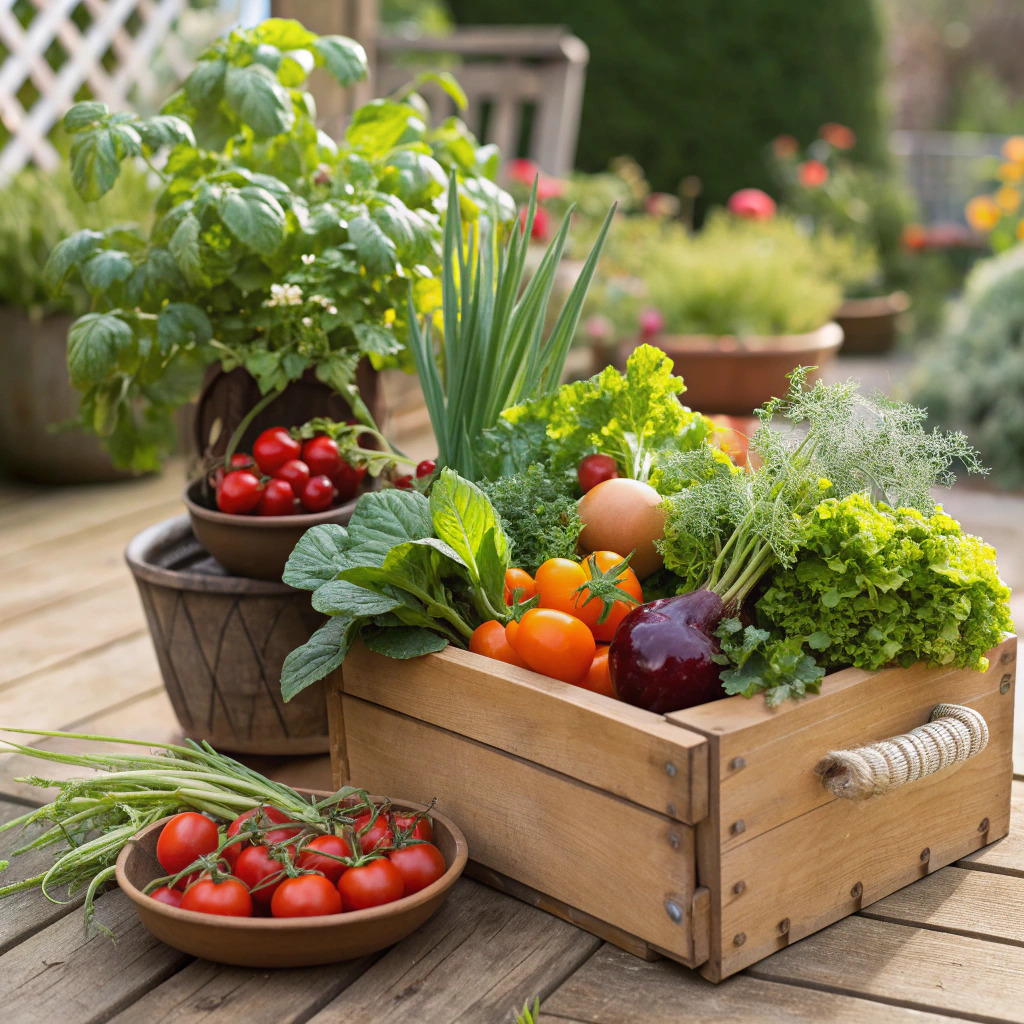
This approach to container gardening vegetables is special because it empowers everyone, regardless of space or experience, to enjoy the benefits of homegrown food. With the right containers, soil, and care, you can grow a variety of vegetables that are not only delicious but also enhance your meals with freshness and flavor. Container gardening eliminates the need for expansive garden beds and provides a unique opportunity to personalize your growing environment. You can easily manage soil quality, water levels, and sunlight exposure, ensuring that your plants thrive. Additionally, growing vegetables in containers can be a sustainable practice, reducing trips to the grocery store and minimizing your carbon footprint. It's a fantastic way to engage with nature, learn about plant care, and enjoy the fruits of your labor.
To successfully start container gardening for fresh vegetables, you will need essential equipment.
Begin by selecting the right vegetables for your container garden, focusing on those that thrive in smaller spaces like tomatoes, peppers, and herbs. Choose a location that receives at least six hours of sunlight daily, as most vegetables require ample light to grow. Water your plants regularly, ensuring that the soil stays moist but not waterlogged, as excessive water can lead to root rot. It's essential to check the moisture level regularly, especially on hot days. When applying fertilizer, follow the instructions carefully to avoid over-fertilization, which can harm your plants. Be mindful of pests and diseases by inspecting your plants frequently and using organic methods for pest control. Always wash your hands after handling soil and plants to maintain hygiene and prevent any potential transfer of pathogens.

Store harvested vegetables in a cool, dry place or refrigerate them for longer freshness.
Consider experimenting with a mix of vegetables and herbs to create a diverse container garden. You can incorporate climbing plants, such as peas or cucumbers, that can be trained to grow vertically, saving space while providing a visual appeal. Succession planting is another variation where you can stagger your planting times to ensure a continuous harvest throughout the growing season. Additionally, try using decorative containers to enhance the aesthetic of your garden space while enjoying the benefits of fresh produce. Mixing ornamental plants with vegetables can create a vibrant and functional garden setup that beautifies your living area.
When your vegetables are ready to harvest, enjoy them fresh in salads, stir-fries, or as grilled sides. Freshly picked vegetables provide optimal flavor and nutrition, making them a delightful addition to any meal. Consider sharing your harvest with family and friends or using them in homemade dishes to showcase your gardening efforts. Incorporating homegrown vegetables into your meals not only enhances taste but also promotes a healthy lifestyle and a sense of achievement.
| Problem | Solution |
|---|---|
| Your plants are wilting despite regular watering. | Check the drainage of your containers. Ensure they have adequate drainage holes and that water is not pooling at the bottom, as this can suffocate roots. |
| Leaves are turning yellow and dropping. | This may indicate overwatering or nutrient deficiency. Adjust your watering schedule and consider adding a balanced fertilizer. |
| Pests are damaging your plants. | Regularly inspect for pests and remove them by hand or use organic pest control methods to protect your vegetables. |
| Some plants are not growing as expected. | Reassess the sunlight exposure, as insufficient light can hinder growth. Move containers to a sunnier location if necessary. |
| Soil is drying out too quickly. | Consider adding mulch on top of the soil to retain moisture and reduce evaporation. |
What vegetables are best for container gardening?
Lettuce, tomatoes, peppers, and herbs are excellent choices for container gardening.
How often should I water my container garden?
Water your container garden when the top inch of soil feels dry, usually every few days.
Can I grow vegetables indoors?
Yes, many vegetables can be grown indoors with sufficient light from grow lights or sunny windows.
What type of soil should I use?
Use high-quality potting mix that retains moisture while allowing for proper drainage.
How can I prevent pests in my container garden?
Inspect your plants regularly and use organic pest control methods like neem oil or insecticidal soap.
