
📌 Love these? Pin your favorites—it helps us grow!
Homemade bread brings warmth and comfort to any table. Using a bread machine simplifies the process, allowing you to enjoy freshly baked loaves without the hassle of kneading and monitoring dough. This recipe ensures that every loaf you make will be perfect, fluffy, and delicious.
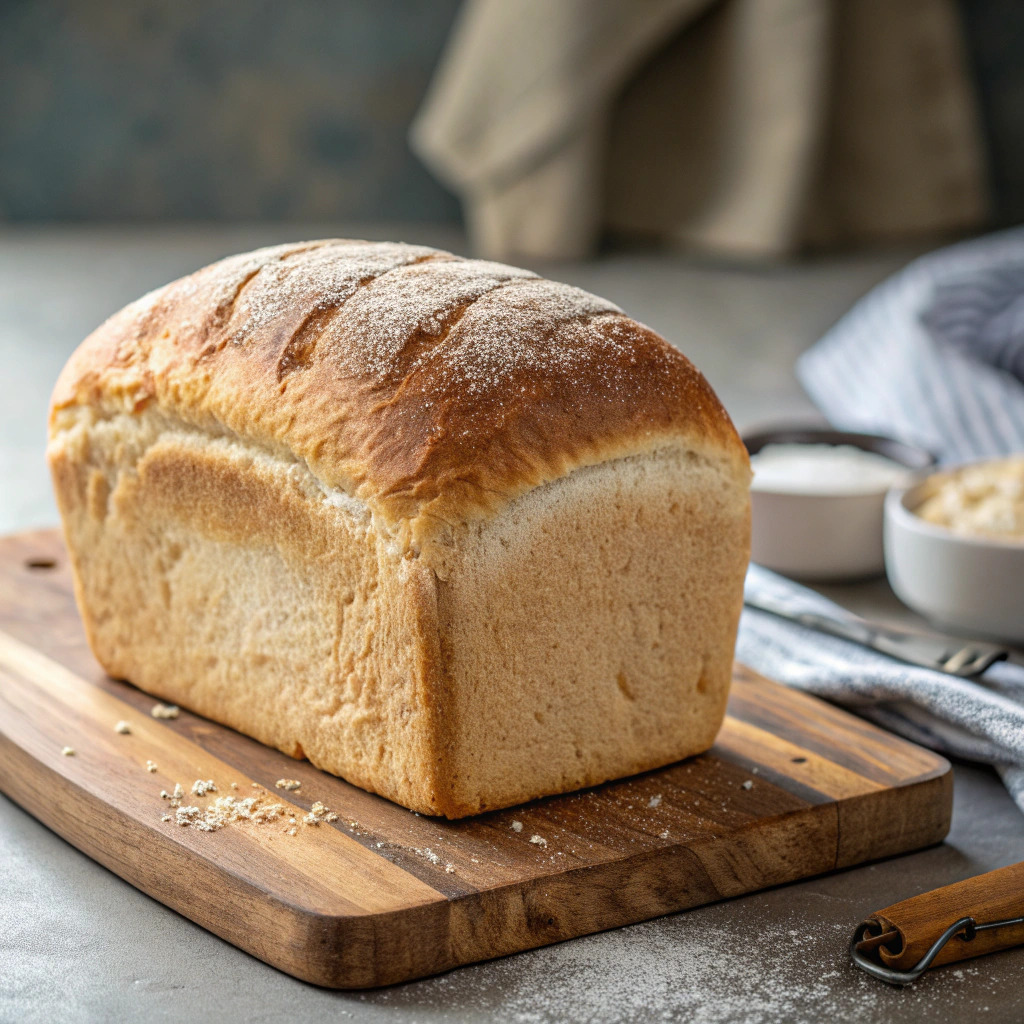
Baking bread at home can seem daunting, but with a bread machine, the process becomes incredibly easy and rewarding. A bread machine takes care of the mixing, kneading, and rising, allowing you to focus on the joy of baking. This recipe is special because it combines simple ingredients with precise measurements, ensuring consistent results every time. Whether you're a novice baker or an experienced one, this method will deliver a perfectly baked loaf that boasts a golden crust and a soft, airy interior. You can customize your bread with various add-ins, making each loaf unique. The aroma of freshly baked bread will fill your home, creating a warm and inviting atmosphere. Let's dive into making a classic homemade loaf that will impress family and friends alike.
Bread machines vary in size and settings, but this recipe is designed to work with most standard models. Following the specific measurements and sequence will yield the best results. Remember that bread-making is both an art and a science, so don’t hesitate to adjust ingredients based on your preference and the humidity of your environment.
To create the perfect homemade loaf, you will need a few essential tools.
To achieve the best results with your bread machine, consider these helpful tips. Use room temperature ingredients, as they mix better and help the yeast activate. Always add your ingredients in the order specified by the bread machine's instructions, usually starting with liquids followed by dry ingredients. Make sure your yeast is fresh, as expired yeast can lead to dense bread. If you're experimenting with additional ingredients like nuts or dried fruits, add them at the beep or designated time during the baking cycle to prevent them from getting crushed. Always check the internal temperature of the bread after baking; it should reach at least 190°F for a fully cooked loaf. For food safety, wash your hands and utensils thoroughly after handling raw ingredients, and store leftover bread in a cool, dry place to avoid mold.

Store in an airtight container at room temperature for up to five days. For longer storage, freeze slices in a freezer-safe bag for up to three months.
There are numerous ways to personalize your bread machine loaf. Consider adding herbs like rosemary or thyme for a savory twist. For a sweeter option, mix in chocolate chips or cinnamon. You can also experiment with different flours, such as whole wheat or rye, to enhance flavor and texture. If you prefer a crustier bread, select a longer baking cycle or use the crust setting on your machine. Additionally, incorporating seeds like sunflower or sesame can add both flavor and nutritional value. The possibilities are endless, allowing you to create a loaf that perfectly suits your taste.
Once your bread has cooled on a rack, it's time to slice and serve. Enjoy it warm with a pat of butter or use it to make delicious sandwiches. Homemade bread pairs wonderfully with soups and salads, elevating any meal. For breakfast, toast slices and top them with jam or avocado. Store any leftovers in an airtight container to maintain freshness, and consider freezing slices for later use. The joy of homemade bread lies not just in the baking, but also in sharing it with loved ones.
| Problem | Solution |
|---|---|
| The bread did not rise properly. | This could be due to expired yeast or incorrect ingredient measurements. Always check the date on your yeast and ensure you are using the correct amount as indicated in the recipe. Additionally, ensure that your ingredients are at room temperature, as cold ingredients can inhibit yeast activity. |
| The bread has a dense texture. | This may happen if too much flour was added, or if the dough was not kneaded enough. Make sure to measure flour accurately and allow the machine to knead the dough for the recommended time. If the dough seems too dry during mixing, add a tablespoon of water at a time until it reaches the right consistency. |
Can I use whole wheat flour instead of bread flour?
Yes, but you may need to adjust the liquid in the recipe since whole wheat flour absorbs more moisture.
Why is my bread machine loaf too dense?
This can happen if too much flour is used or if the yeast is old. Always measure accurately and check the yeast's freshness.
