
📌 Love these? Pin your favorites—it helps us grow!
Experience the delightful softness and unique flavor of homemade Japanese bread. Known for its fluffy texture and slightly sweet taste, this bread is a perfect companion for breakfast or any meal of the day.
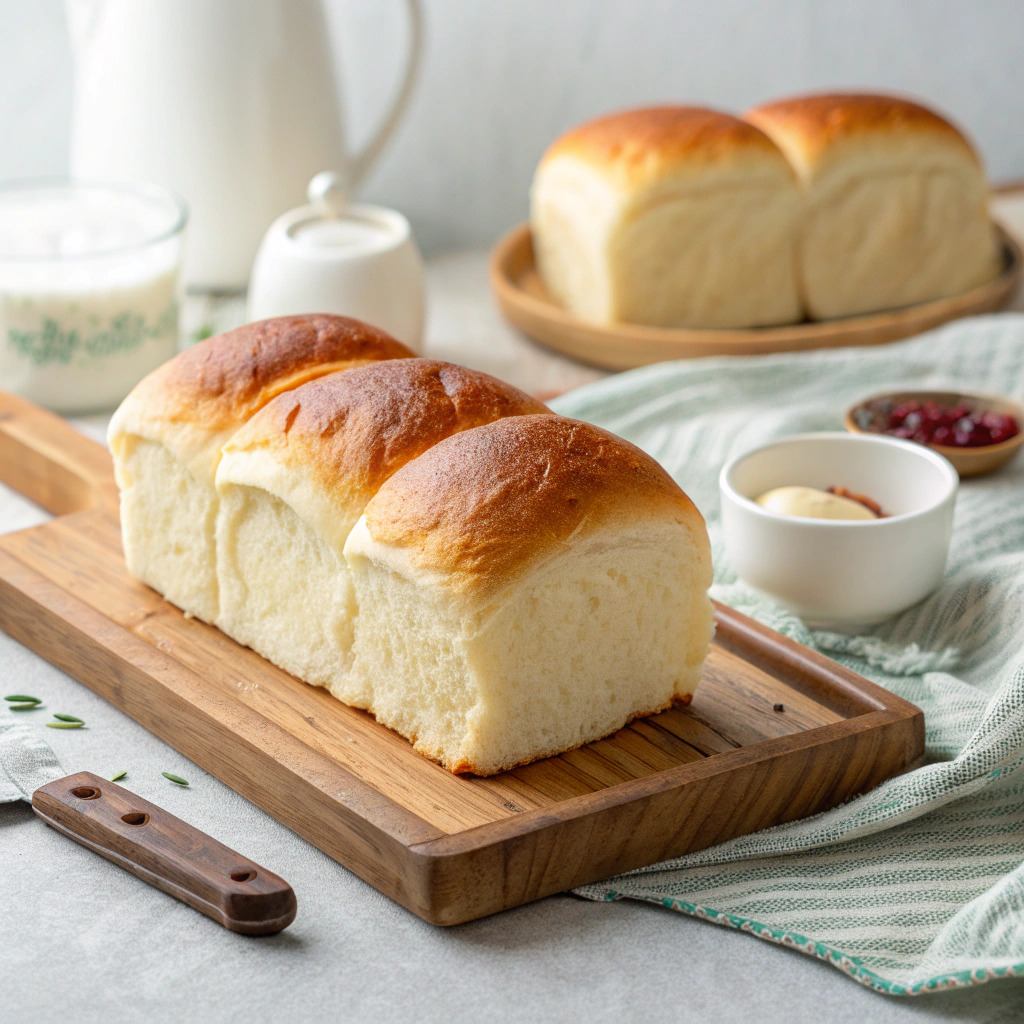
This Japanese bread recipe is special because it creates a soft, fluffy loaf that is unlike any other. Often referred to as 'shokupan,' this bread has a slightly sweet flavor and a tender crumb, making it ideal for sandwiches, toast, or enjoying plain. The secret to its light texture lies in the tangzhong method, which involves cooking a portion of the flour with water to create a thick paste. This technique helps to retain moisture during baking, ensuring the bread stays fresh for longer. By following this recipe, you will not only master the art of making Japanese bread but also impress family and friends with its exceptional taste and texture. Perfect for both novice and experienced bakers, this recipe will become a staple in your kitchen.
To prepare this Japanese bread, certain equipment is essential.
For best results, use high-quality bread flour that has a higher protein content, which aids in gluten development. It’s important to measure ingredients accurately; consider using a kitchen scale for precision. When making the tangzhong, stir continuously to avoid lumps and ensure even cooking. Allow the dough to rise in a warm, draft-free area to encourage fermentation. Always check the internal temperature of the bread; it should reach at least 190°F for optimal texture. If you encounter sticky dough, lightly flour your hands or work surface, but avoid adding too much flour as it may alter the bread's texture. Remember to wash your hands thoroughly before handling food and keep raw ingredients separate to avoid cross-contamination.

Store the bread in an airtight container at room temperature for up to three days or freeze for longer storage.
Feel free to experiment with this Japanese bread recipe. You can add various ingredients to enhance flavor, such as matcha powder for a unique green tea twist, or incorporate sweet fillings like red bean paste or chocolate chips. For a savory option, consider adding herbs or cheese to the dough. Additionally, you could shape the bread into rolls for a fun twist, perfect for serving at gatherings. Each variation can bring a delightful new experience to the classic Japanese bread.
This Japanese bread is best served fresh out of the oven, but it can also be toasted for a crispy texture. Slice the loaf and enjoy it with butter, jam, or any spread of your choice. It pairs beautifully with soups and salads, making it a versatile addition to any meal. For a delightful breakfast, use the bread to make French toast or sandwiches filled with your favorite ingredients.
| Problem | Solution |
|---|---|
| The bread did not rise properly. | Ensure that your yeast is fresh and active. If the dough is too cold, it may need more time to rise. Try placing it in a warm area or using a proofing setting on your oven. |
| The crust is too hard. | Reduce the baking time slightly or cover the bread with aluminum foil during the last few minutes of baking to prevent over-browning. |
| The texture is dense. | This could be due to over-kneading or not enough rising time. Be gentle with the dough and allow it to rise until it has doubled in size. |
Can I use all-purpose flour instead of bread flour?
Yes, but the texture may be less chewy and fluffy.
How can I tell if the bread is fully baked?
Use a thermometer; the internal temperature should be at least 190°F.
What can I do if the bread is too dry?
Try adding more milk or moisture to the dough next time.
