
📌 Love these? Pin your favorites—it helps us grow!
Kurdele pasta is a delightful dish that combines fun shapes with delicious flavors, making it perfect for family dinners or gatherings. This recipe introduces you to a unique culinary experience that will have your guests talking.
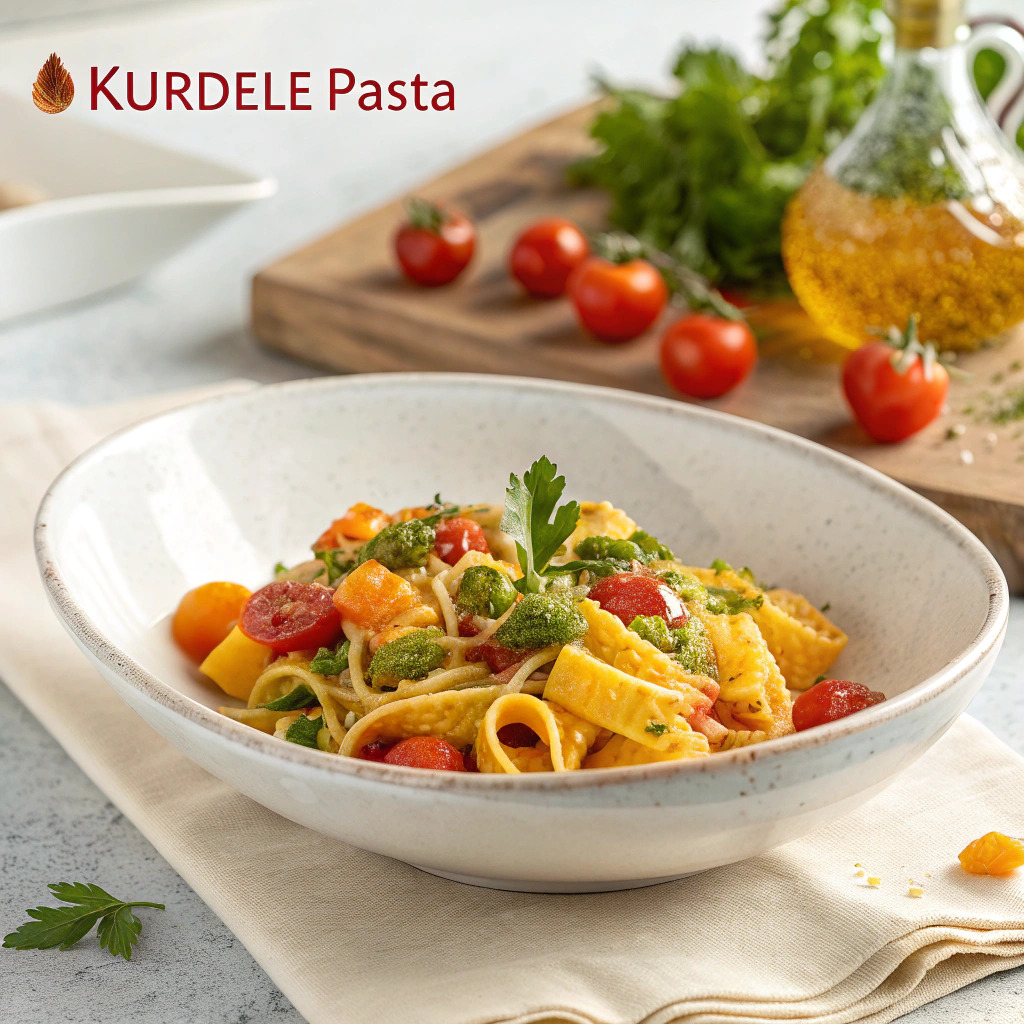
Crafted from simple ingredients, kurdele pasta stands out due to its distinctive ribbon-like shape that captures sauce beautifully, creating a delightful bite every time. The pasta's texture pairs wonderfully with a variety of sauces, allowing for endless creativity in the kitchen.
Making this dish is not just about feeding the family; it’s about creating a memorable meal that offers a blend of tradition and modernity. Whether you’re preparing it for a special occasion or a casual weeknight dinner, kurdele pasta brings a touch of fun to the table. Enjoy the satisfaction of making pasta from scratch and the joy it brings to those who share it with you. The hands-on process of shaping the pasta adds a personal touch, making each serving special.
Gather the following equipment to create kurdele pasta:
When making kurdele pasta, consider these helpful tips: Ensure your work surface is well-floured to prevent sticking while rolling out the dough. After cutting the pasta, let it dry for a few minutes before cooking to maintain its shape.
Don’t forget food safety; always wash your hands before and after handling raw ingredients. Make sure to cook the pasta until it reaches a tender texture, usually around three to four minutes in boiling water. If using meat in your sauce, ensure it reaches the appropriate internal temperature; ground beef must reach 160°F, while chicken needs to hit 165°F for safety. Enjoy the process and experiment with different sauces to find your perfect combination.

Store any leftover cooked pasta in an airtight container in the refrigerator for up to three days. Reheat gently in a pan with a splash of water to loosen.
There are numerous ways to enjoy kurdele pasta beyond the basic recipe. You can incorporate fresh herbs into the dough for an aromatic twist or add spinach for a vibrant green color.
For a heartier meal, consider tossing the cooked pasta with sautéed vegetables like bell peppers, zucchini, or mushrooms. If you prefer a creamy sauce, a rich Alfredo or a classic carbonara pairs beautifully with the pasta's unique shape. Feel free to experiment with various cheeses or proteins to suit your taste, creating a personalized dish every time.
Serve kurdele pasta in a large bowl or on individual plates, garnished with freshly grated cheese and a sprinkle of herbs for added flavor. Pair it with a crisp side salad and a glass of white wine for a delightful meal experience. This pasta is equally delicious served warm or at room temperature, making it versatile for different occasions.
| Problem | Solution |
|---|---|
| The pasta is too sticky. | Ensure that enough flour is used while rolling out the dough. If it sticks, dust with additional flour as needed. |
| The pasta is undercooked. | Ensure the water is at a rolling boil before adding the pasta and cook it for the recommended time. Taste to check for doneness. |
| The sauce doesn’t cling to the pasta. | Consider adding a bit of pasta cooking water to your sauce to help it adhere better. Additionally, a thicker sauce usually works best with kurdele pasta. |
Can I make kurdele pasta ahead of time?
Yes, you can make the dough in advance and store it in the refrigerator for up to two days.
What sauces go well with kurdele pasta?
Kurdele pasta pairs well with marinara, Alfredo, pesto, or any sauce of your choice.
Can I freeze kurdele pasta?
Yes, you can freeze the uncooked pasta. Just make sure to separate the pieces with flour to prevent sticking.
Is kurdele pasta gluten-free?
Traditional kurdele pasta is made with wheat flour, but you can use gluten-free flour for a gluten-free version.
How do I know when the pasta is done cooking?
Taste the pasta; it should be tender but still have a slight bite, known as al dente.
