
📌 Love these? Pin your favorites—it helps us grow!
Discover the vibrant world of mango fruit, a tropical delight packed with flavor and nutrition. This guide will take you through its benefits, uses, and delicious recipes that highlight this amazing fruit.
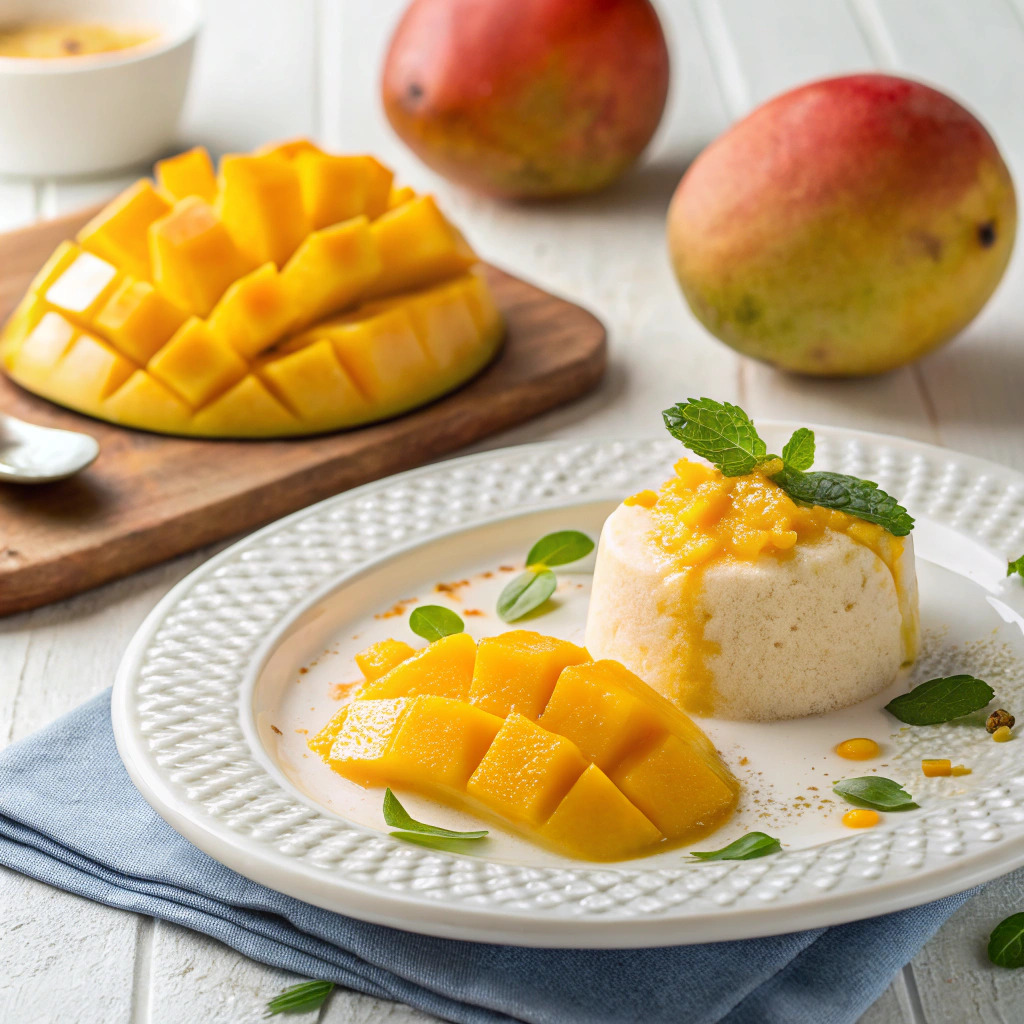
Mango fruit is celebrated globally for its juicy sweetness and versatility. Originating from South Asia, this tropical fruit has now found its way into numerous cuisines around the world. Not only does it boast a delightful taste, but it is also rich in vitamins A and C, fiber, and antioxidants. These nutrients contribute to various health benefits, including improved digestion, boosted immunity, and enhanced skin health. This guide will explore how to incorporate mango into your meals, whether as a refreshing snack, a flavor enhancer in salads, or a key ingredient in desserts. The mango’s unique flavor profile allows it to pair beautifully with both sweet and savory dishes, making it a must-have in your kitchen.
To prepare dishes featuring mango fruit, you will need some essential tools.
When working with mangoes, choosing ripe fruit is key for the best flavor. Look for mangoes that yield slightly to pressure and have a sweet aroma. To safely cut the mango, slice around the large pit in the center, creating two halves. Be cautious of the juice, as it can be sticky. Always wash your hands and equipment before and after handling fresh produce to prevent contamination. If you are using mango in salads or salsas, consider balancing the sweetness with lime juice and salt to enhance the overall flavor. Be mindful of food safety by ensuring that any other ingredients used are fresh and stored properly.

Store any leftover mango in an airtight container in the refrigerator for up to three days. If you have made salsa, consume within two days for best freshness.
There are numerous ways to enjoy mango fruit. Consider making a classic mango salsa by combining diced mango with red onion, cilantro, lime juice, and jalapeño for a fresh topping on grilled fish or chicken. For a refreshing dessert, blend mango with yogurt and freeze it to create a fruity sorbet. If you enjoy smoothies, mango pairs well with spinach, banana, and coconut milk, creating a nutritious breakfast option. You can also experiment with mango in savory dishes, such as curries or stir-fries, adding a unique sweetness to balance spices.
Mango fruit can be served in many delightful ways. Slice it into wedges for a simple, healthy snack, or add it to a fruit salad for a colorful presentation. Mango can also be used as a topping for yogurt, oatmeal, or pancakes, enhancing breakfast dishes with its tropical flair. When serving mango salsa or chutney, pair it with grilled meats or fish to elevate your meal. The fruit's vibrant color and juicy texture are sure to impress guests at any gathering.
| Problem | Solution |
|---|---|
| The mango is too hard to cut. | Allow the mango to ripen at room temperature until it softens slightly, which indicates it is ready to eat. |
| The mango is stringy and not as juicy as expected. | Choose a fully ripe mango with a slight give when pressed; this will typically result in a juicier flesh. |
| The mango flavor is too sweet for a savory dish. | Balance the sweetness by adding lime juice, salt, or spices to enhance the dish’s overall flavor profile. |
What is the best way to choose a ripe mango?
Look for a mango that yields slightly to pressure and has a sweet aroma.
Can you eat mango skin?
While the skin is edible, it may be tough and contain irritants, so it is often peeled.
How can I store cut mango?
Store cut mango in an airtight container in the refrigerator for up to three days.
Is mango good for digestion?
Yes, mangoes are high in fiber, which promotes healthy digestion.
Can mango be frozen?
Yes, mango can be cut into pieces and frozen for use in smoothies or desserts.
