
📌 Love these? Pin your favorites—it helps us grow!
Creating the perfect salad packaging can significantly enhance the freshness and enjoyment of your salads. With the right approach, you can ensure that your salads stay crisp and flavorful until it's time to eat.
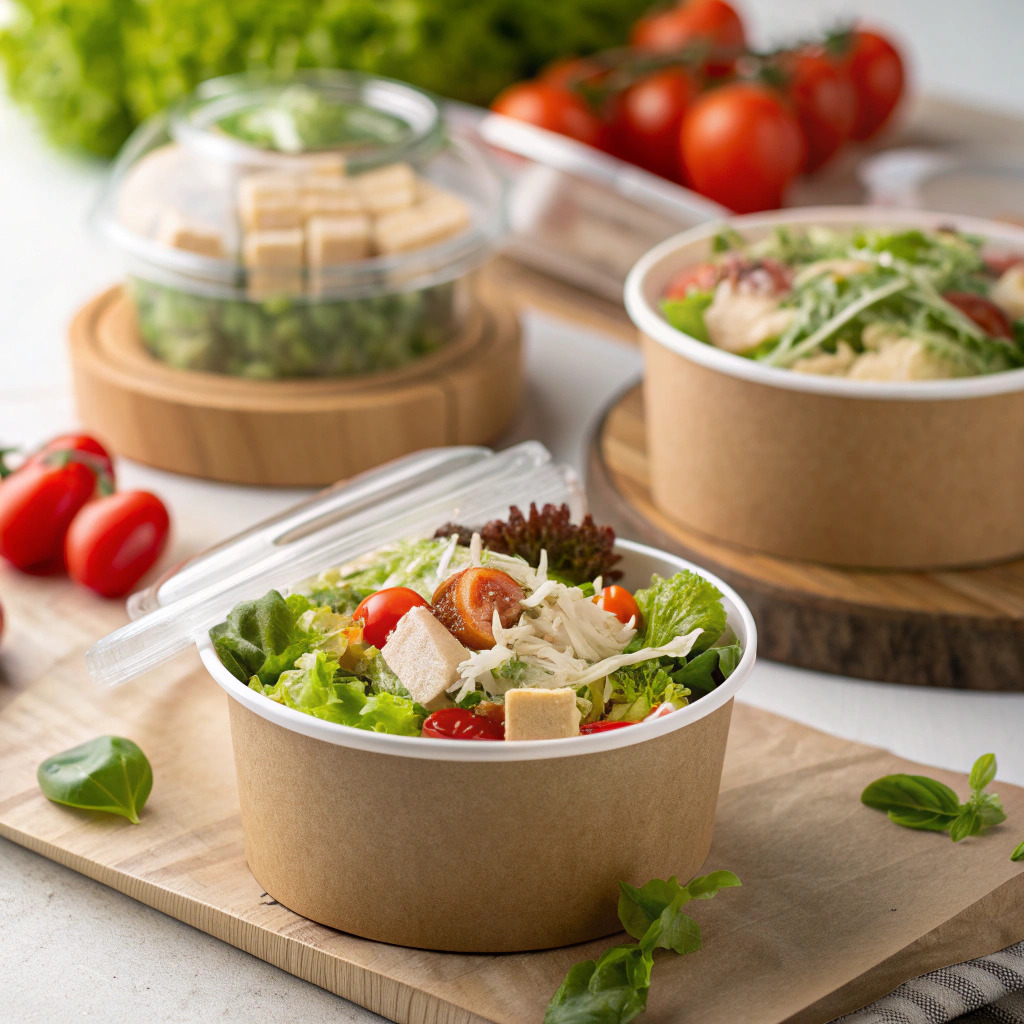
Salad packaging is not just about storing ingredients; it's an art that preserves the integrity of fresh produce. This recipe focuses on innovative ways to store and serve salads while keeping them fresh and appealing. Using the right containers and techniques can make a significant difference, especially for meal prep or picnics. The freshness of a salad can be affected by how it's stored, so having a method that prevents wilting and sogginess is essential. This recipe provides practical tips and techniques to ensure your salads remain vibrant and delicious, whether they are for lunch, dinner, or a special gathering. You'll learn about various packaging options, how to layer ingredients effectively, and even how to dress salads in a way that keeps them crisp until serving time.
To get started, you will need a few essential items.
Start by choosing the freshest ingredients available, as this will impact the overall taste and longevity of your salad. When packaging, layer your ingredients from sturdy to delicate; place heartier items like cucumbers and carrots at the bottom, followed by grains, proteins, and finally, leafy greens on top. This helps prevent moisture from wilting the greens. Always keep dressings separate until you're ready to serve to avoid sogginess. Use small containers or bottles for dressings, making it easy to portion out just what you need. Remember to wash your hands and all produce thoroughly to prevent foodborne illnesses. If you are using proteins like chicken or shrimp, ensure they are cooked to the appropriate temperature and stored properly to avoid contamination.

Store salads in airtight containers in the refrigerator for up to three days. Keep dressings separate to maintain freshness.
Consider customizing your salad packaging to suit different occasions. For a picnic, use mason jars to create individual servings, adding layers of ingredients that complement each other, such as a Greek salad with olives, feta, and tomatoes. For meal prep, opt for larger airtight containers that can hold a family-sized salad, allowing for easy access throughout the week. If you're preparing salads for a potluck, consider using disposable containers for easy transport and cleanup. You can also experiment with different types of greens and toppings to create themed salads, such as a Mexican-inspired salad with black beans, corn, and avocado, or a Mediterranean salad featuring chickpeas and artichokes.
When it's time to serve, gently shake or toss the salad to ensure an even distribution of ingredients and dressing. If using mason jars, simply open the jar and pour the contents into a bowl. For larger containers, use tongs to serve individual portions. Garnish with additional toppings like nuts or seeds just before serving for added crunch and flavor. Pair the salad with a complementary side, such as crusty bread or a light soup, to create a well-rounded meal that everyone will appreciate.
| Problem | Solution |
|---|---|
| The greens are wilting before serving. | Ensure you are layering correctly, with sturdy ingredients at the bottom and greens on top. Additionally, check that your containers are airtight to prevent moisture from entering. |
| The dressing is making the salad soggy. | Keep the dressing separate until ready to eat. Use small containers for dressings or keep them in a squeeze bottle for easy dispensing. |
| Ingredients are getting mixed together during transport. | Use containers with dividers or separate jars for each component to maintain distinct flavors and textures. |
| The salad lacks flavor. | Season your ingredients lightly before packaging and consider adding fresh herbs or a squeeze of lemon juice for an extra burst of flavor just before serving. |
| Salad doesn't stay fresh for long. | Choose the freshest ingredients possible and ensure proper food safety practices, including washing hands and produce thoroughly before assembly. |
How long can I store my salad?
Salads can be stored in the refrigerator for up to three days if packed properly.
Can I freeze my salad?
Freezing is not recommended, as it can compromise the texture of fresh vegetables.
What is the best way to keep my salad fresh during transport?
Use airtight containers and keep them cool with ice packs.
Can I prepare my salad the night before?
Yes, just ensure to layer ingredients properly and keep dressings separate.
How do I prevent my salad from getting soggy?
Layer sturdy ingredients at the bottom and keep dressings separate until ready to serve.
