
📌 Love these? Pin your favorites—it helps us grow!
Indulge in the exquisite flavors of this shrimp pasta, where tender shrimp meets a light and creamy sauce. Perfect for a quick weeknight dinner or a special occasion, this dish is sure to impress.
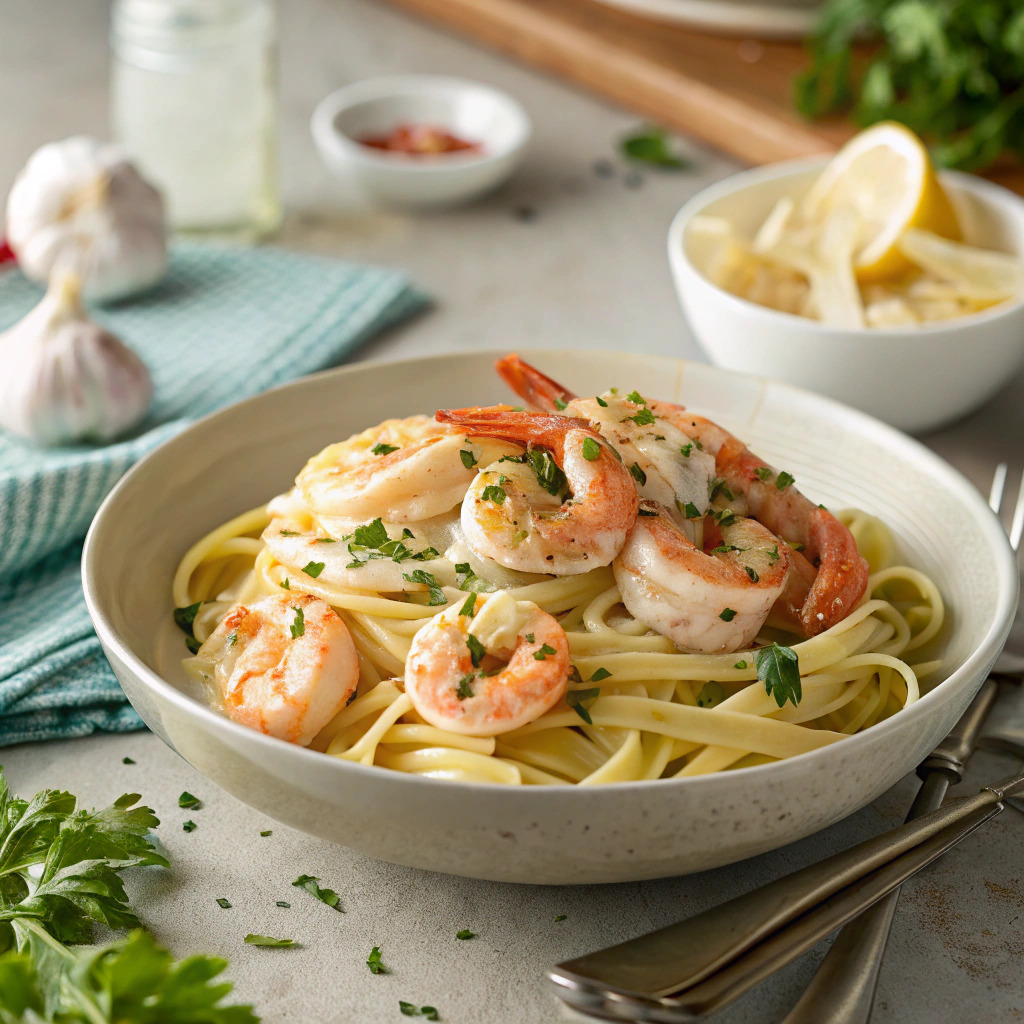
This shrimp pasta recipe stands out because of its delicate balance between richness and freshness. The creamy sauce is light enough to let the natural sweetness of the shrimp shine through, while garlic and fresh herbs elevate the dish to a whole new level.
Using high-quality ingredients is key to achieving the best flavor. Fresh shrimp, preferably wild-caught, brings a sweetness that frozen shrimp can’t match. Pairing this with al dente pasta ensures a satisfying texture that complements the creamy sauce beautifully. This recipe is not only quick to prepare but also allows for customization, making it an ideal choice for both novice and experienced cooks alike. Whether it’s a cozy family dinner or an elegant gathering, this shrimp pasta will surely be a hit.
To prepare this shrimp pasta, you will need the following equipment:
Having the right tools on hand will make the cooking process smoother and more enjoyable.
For the best results, make sure to use fresh shrimp that has been properly cleaned and deveined. Always check for signs of spoilage, such as an off smell or a slimy texture. When cooking shrimp, they should turn pink and opaque, and reach an internal temperature of 145°F to ensure safety.
If you prefer a lighter sauce, consider using half-and-half in place of heavy cream. This will still give you a creamy texture without being overly rich. To enhance the flavor, add a splash of white wine to the skillet after cooking the shrimp and allow it to reduce before adding the cream. Remember to taste and adjust seasoning as needed. Safety is crucial while handling raw seafood, so always wash your hands and surfaces thoroughly after preparation.

Store any leftovers in an airtight container in the refrigerator for up to three days. Reheat gently on the stove or in the microwave.
Consider customizing this shrimp pasta by adding vegetables such as spinach, cherry tomatoes, or asparagus for added nutrition and flavor. If you like a bit of heat, a pinch of red pepper flakes can elevate the dish. For a different flavor profile, try using lemon zest and juice for a citrus twist or substitute shrimp with scallops or chicken for variation. Additionally, experimenting with different types of pasta, such as linguine or fettuccine, can provide a new texture and experience.
Serve the shrimp pasta immediately after preparation for the best flavor. Garnish with freshly chopped parsley or basil for a pop of color and freshness. A sprinkle of grated Parmesan cheese can also enhance the richness of the dish. Pair it with a light green salad and a glass of chilled white wine to create a well-rounded meal that is both satisfying and elegant.
| Problem | Solution |
|---|---|
| The shrimp are overcooked and rubbery. | To avoid overcooking, remove the shrimp from the heat as soon as they turn pink and opaque. This usually takes only a few minutes. Keep in mind that shrimp will continue to cook slightly after being removed from the heat. |
| The sauce is too thick. | If the sauce becomes too thick, you can thin it out by adding a bit of reserved pasta water or additional cream until the desired consistency is reached. |
| The dish lacks flavor. | Ensure to season well during cooking, and don't hesitate to add more herbs or a splash of acid, like lemon juice, to brighten the flavors. |
Can I use frozen shrimp for this recipe?
Yes, but make sure to thaw them completely and pat them dry before cooking.
What type of pasta works best?
Linguine is ideal, but you can use any pasta shape you prefer.
Can I make this dish dairy-free?
You can substitute heavy cream with coconut milk or a dairy-free cream alternative.
How can I make it spicier?
Add red pepper flakes or a dash of hot sauce to the sauce for extra heat.
What should I serve with shrimp pasta?
A light salad and some crusty bread pair wonderfully with this dish.
