
📌 Love these? Pin your favorites—it helps us grow!
Sourdough bread holds a special place in the hearts of many bakers and food lovers alike. Its unique flavor, chewy texture, and the satisfying crunch of a well-baked crust make it a coveted item in any kitchen. Making sourdough bread can seem daunting, but with the right guidance and a little patience, you can create a perfect loaf that will impress your family and friends.
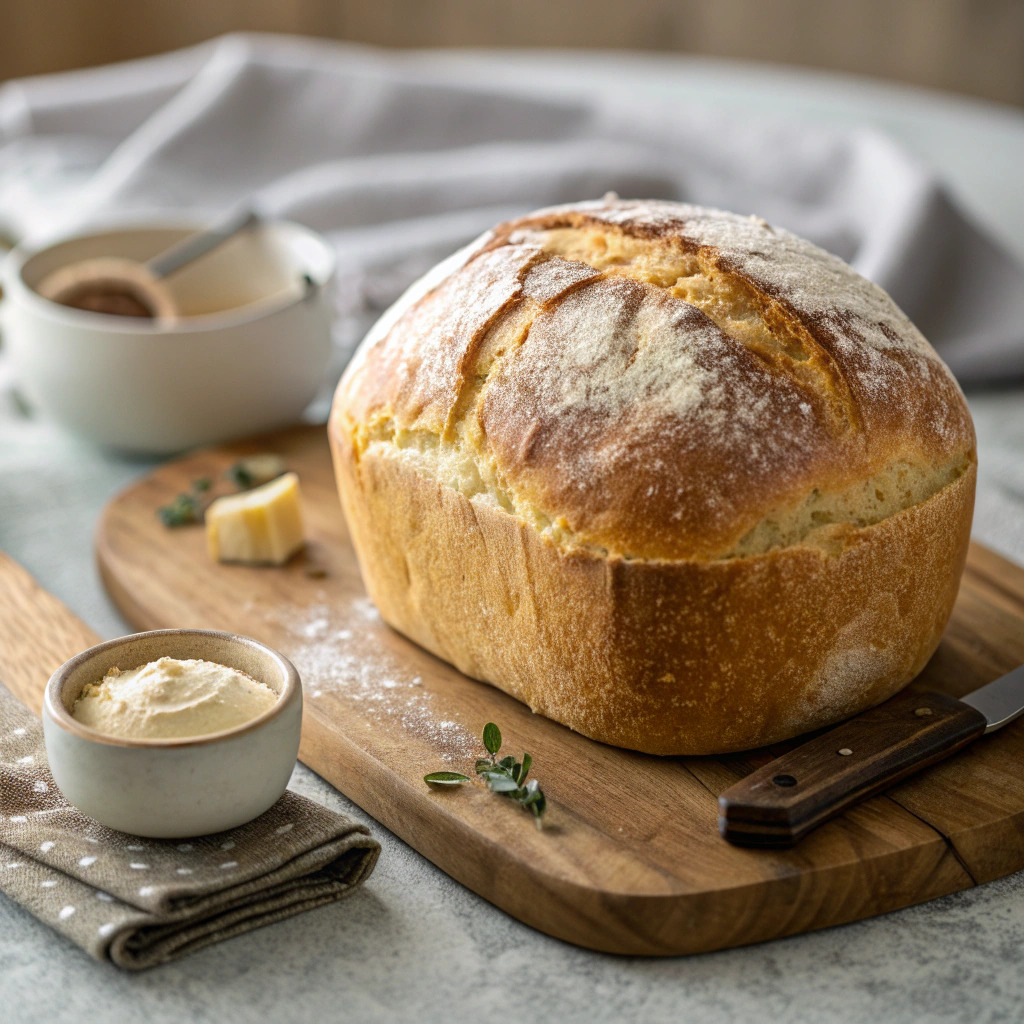
The process of making sourdough bread is not just about baking; it’s about connecting with your ingredients and embracing the art of fermentation. Watching the dough rise and transform over time is a rewarding experience that brings a sense of accomplishment.
Sourdough bread is not only delicious but also packed with nutrients, thanks to the natural fermentation process. I remember the first time I pulled a golden-brown loaf from the oven; the aroma filled my kitchen, and I knew I had created something truly special. Let’s dive into this step-by-step guide that will help you make your own perfect sourdough bread at home.
To make sourdough bread, you'll need the right tools to ensure success. Here’s what you’ll need:
Once you have your equipment ready, you’ll be well on your way to baking a beautiful loaf of sourdough bread.
Making sourdough bread can be a straightforward process when you follow a few essential tips.
First, ensure your sourdough starter is active and bubbly before using it. If it hasn't been fed in a while, give it a refresh 4-6 hours before you plan to start your bread. This will ensure maximum leavening power.
Pay attention to the dough's temperature. Ideally, you want the dough to be around 75°F to 78°F during bulk fermentation. If your kitchen is cold, consider warming the bowl slightly or using warm water for mixing.
Always flour your work surface and your hands lightly when shaping the dough to prevent sticking. However, avoid using too much flour as it can dry out your dough.
Lastly, when baking, make sure to preheat your Dutch oven for at least 30 minutes at 450°F to achieve that beautiful crust. And remember, the internal temperature of your bread should reach at least 200°F for it to be fully baked.

Store the sourdough bread at room temperature in a paper bag for up to 3 days. For longer storage, slice and freeze the loaf in an airtight container for up to 3 months.
Once you've mastered the basic sourdough bread recipe, you can experiment with different flavors while ensuring food safety.
Consider adding herbs like rosemary or thyme for an aromatic twist. You can mix in seeds like sesame or sunflower during the final stages of kneading to add texture and flavor.
For a sweeter version, try incorporating dried fruits such as cranberries or apricots, but make sure they are diced small to ensure even baking. Just keep in mind that adding extra ingredients may require slight adjustments to hydration levels, so keep an eye on the dough consistency.
Serving Suggestions That Actually Make Sense. Sourdough bread is incredibly versatile and can be served in various ways.
A fresh loaf is perfect for sandwiches, toasted with butter, or paired with soups and salads. You can also use it for bruschetta topped with fresh tomatoes and basil for a delightful appetizer.
For breakfast, enjoy it as French toast or simply slathered with your favorite jam for a satisfying start to your day.
| Problem | Solution |
|---|---|
| Dense Loaf | If your bread turns out dense, it may be due to underproofing. Make sure to allow adequate time for the second rise until the dough has visibly expanded. |
| Flat Bread | If your bread spreads out instead of rising, it could be a sign that your dough was overworked or your starter was too weak. Ensure your starter is bubbly and active before use. |
| Crust Too Hard | If the crust is too hard, you might be baking at too high of a temperature or for too long. Try reducing the baking time by 5-10 minutes and monitor the color closely. |
| Dough Sticking | If your dough sticks to the surface while shaping, use a bench scraper to gently release it without adding too much flour. Proper flouring of your hands and surface is key. |
Why is my sourdough bread dense?
Dense bread often results from underproofing or using a weak starter. Ensure your starter is bubbly and allow enough time for the second rise.
Can I use whole wheat flour instead of bread flour?
Yes, you can substitute part of the bread flour with whole wheat flour. Start with 50% whole wheat and 50% bread flour for the best results.
How can I tell if my bread is done baking?
The bread should have a deep golden crust and an internal temperature of at least 200°F. It should sound hollow when tapped on the bottom.
What should I do if my dough is too sticky?
If your dough is too sticky, try using a little more flour during the shaping process, but be careful not to add too much as it can affect the final texture.
