
📌 Love these? Pin your favorites—it helps us grow!
A rich, homemade tomato pasta sauce can elevate any pasta dish, bringing warmth and comfort to your table. With fresh ingredients and simple techniques, this sauce becomes a staple in any kitchen.
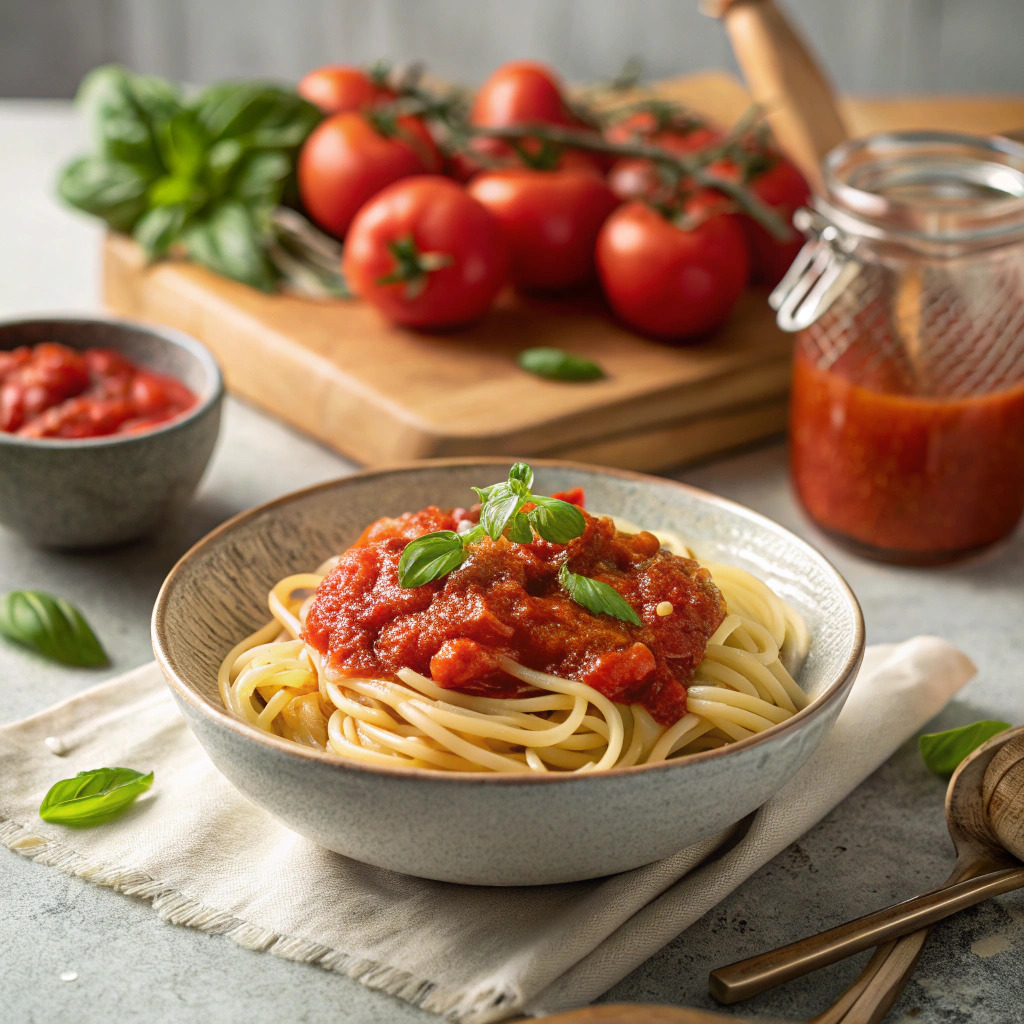
This tomato pasta sauce is special because it captures the essence of fresh tomatoes and aromatic herbs, creating a vibrant and flavorful base for your favorite pasta dishes. Making your own sauce allows for control over flavors and ingredients, ensuring that you can customize it to your liking. The combination of ripe tomatoes, garlic, and basil creates a harmony that enhances any meal. Whether you’re hosting friends or looking for a comforting dinner, this sauce will impress and satisfy. Plus, it’s incredibly versatile, making it an essential recipe to have on hand. You can use it immediately or store it for later, making it a convenient choice for busy weeknights.
The beauty of this sauce lies in its simplicity. With just a handful of quality ingredients, you can create a delicious and healthy tomato pasta sauce that outshines anything store-bought. Once you learn how to make this sauce, you will never want to go back to pre-packaged options. It's perfect for coating spaghetti, penne, or any pasta shape you prefer, and it pairs wonderfully with meatballs or grilled vegetables. Make this sauce your own by adjusting the seasoning to your taste, and enjoy a homemade meal that feels gourmet.
Gathering the right equipment will make the preparation of your tomato pasta sauce seamless. You will need a large saucepan to cook the sauce, a cutting board for chopping, and a sharp knife to easily dice the tomatoes and garlic. A wooden spoon will help in stirring the sauce, ensuring an even cook. A measuring cup will be handy for measuring olive oil and other liquid ingredients. If you prefer a smoother sauce, having an immersion blender or a regular blender can help to achieve the desired consistency. Finally, keep some airtight containers ready for storing any leftover sauce. With this equipment, you'll be well
To enhance the flavor of your tomato pasta sauce, use high-quality tomatoes, either fresh or canned. Fresh basil adds brightness, but feel free to experiment with other herbs like oregano or thyme for different flavor profiles. If you want a little heat, consider adding red pepper flakes. Always taste the sauce as it simmers and adjust the seasonings accordingly. For food safety, ensure that all ingredients are fresh and properly washed. When handling raw tomatoes, wash your hands before and after to avoid cross-contamination. If you have leftover sauce, let it cool before storing it in the refrigerator, where it can last for up to a week. For longer storage, consider freezing the sauce in airtight containers. Just remember to leave some space for expansion as it freezes.

Store any leftover sauce in an airtight container in the refrigerator for up to one week. For longer storage, freeze in portions.
This tomato pasta sauce can be easily adapted to suit different preferences and dietary needs. For a richer flavor, you can add sautéed onions or bell peppers at the beginning of the cooking process. If you enjoy a creamier sauce, stir in a splash of heavy cream or a dollop of ricotta just before serving. For a vegan option, simply skip any dairy additions and consider blending in some nutritional yeast for a cheesy flavor. You can also introduce additional vegetables such as spinach, zucchini, or mushrooms for added nutrition and texture. If you're in the mood for a bolder taste, add a splash of red wine while the sauce simmers. This not only enhances the flavor but also adds depth.
When it's time to serve, this tomato pasta sauce is best enjoyed hot over freshly cooked pasta. Garnish with freshly grated Parmesan cheese or basil leaves for a beautiful presentation. Serve it alongside a crisp salad and some crusty bread for a complete meal. The sauce also pairs well with grilled meats or roasted vegetables, making it a versatile addition to your dining table. For a more casual setting, consider serving it in a bowl with a side of garlic bread for dipping. This homemade sauce is sure to impress your family and friends, making dinner feel special.
| Problem | Solution |
|---|---|
| The sauce tastes too acidic. | If you find the sauce too acidic, try adding a pinch of sugar to balance the flavors. Alternatively, simmering the sauce longer can help mellow the acidity. |
| The sauce is too thick. | If the sauce has thickened too much, gradually add a bit of water or vegetable broth while stirring until you reach the desired consistency. |
| The sauce is too bland. | Taste the sauce during cooking and adjust the seasoning with salt, pepper, or herbs as needed. Adding a splash of balsamic vinegar can also enhance the depth of flavor. |
| The sauce has a burnt taste. | Ensure you are cooking on low heat and stirring regularly. If it has slightly burnt, transfer it to a new pot immediately to prevent further burning. |
| The sauce is too watery. | If the sauce is too watery, continue to simmer it uncovered on low heat, allowing it to reduce until it thickens to your liking. |
Can I use canned tomatoes instead of fresh?
Yes, canned tomatoes are a great alternative and can provide a rich flavor.
How can I make this sauce more flavorful?
Experiment with various herbs and spices or add sautéed vegetables like onions or bell peppers.
What pasta pairs best with this sauce?
Almost any pasta works well, but spaghetti and penne are particularly popular choices.
Can I freeze the sauce?
Yes, this sauce freezes well. Just ensure it cools completely before storing.
Is this sauce gluten-free?
The sauce itself is gluten-free, but ensure to use gluten-free pasta if you need a gluten-free meal.
