
📌 Love these? Pin your favorites—it helps us grow!
Indulge in the creamy goodness of white sauce pasta, a comforting dish that brings together flavors and textures in every bite. Perfect for any occasion, this recipe is sure to impress your family and friends.
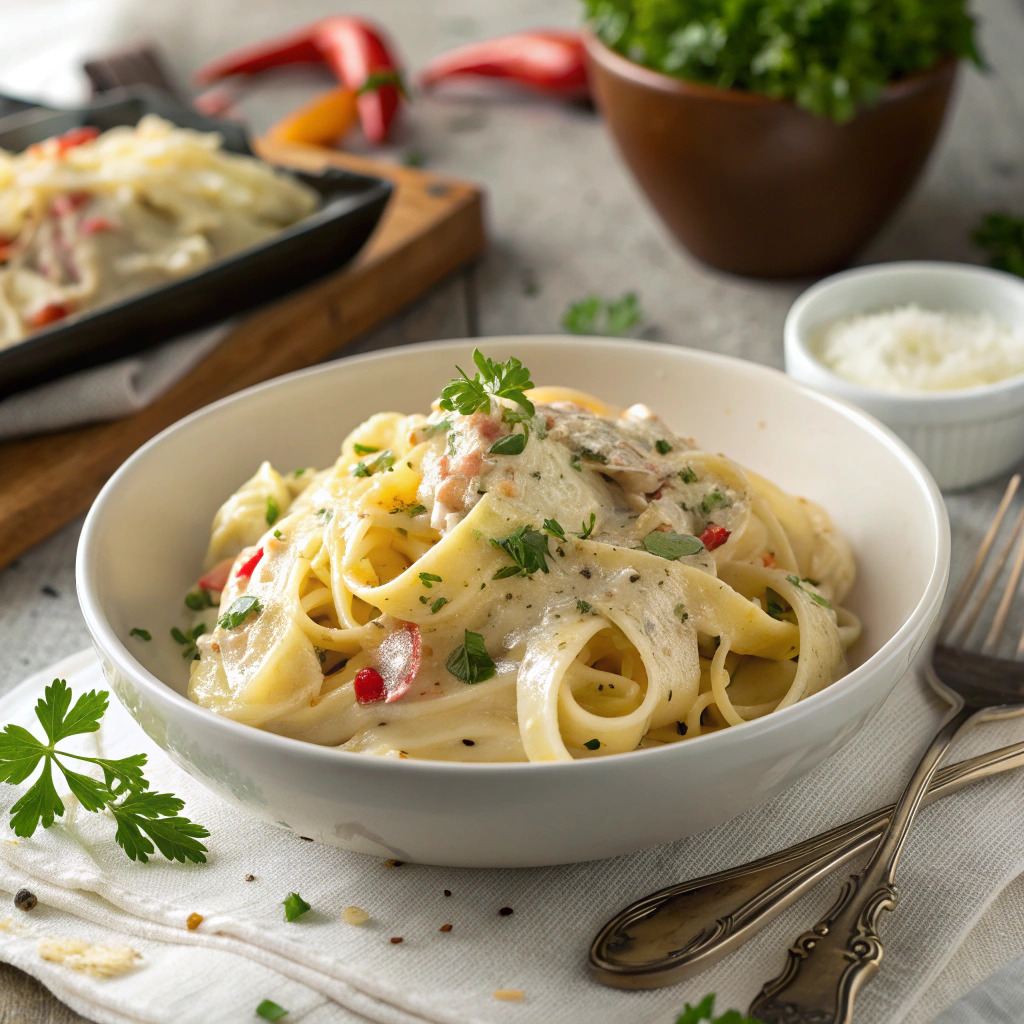
White sauce pasta is a classic dish that combines the richness of a creamy béchamel sauce with the delightful chew of pasta. This recipe stands out because it allows for endless customization, from adding vegetables to incorporating proteins like chicken or shrimp. The white sauce is not only simple to make but also elevates the dish with its luxurious texture and flavor. Whether you're preparing a quick weeknight dinner or hosting a gathering, this dish is versatile enough to impress any palate. The balance of flavors and the smoothness of the sauce make it a beloved choice among pasta lovers.
Using fresh ingredients and a few basic cooking techniques, you can create a white sauce pasta that rivals your favorite restaurant's offerings. It's an excellent way to showcase your culinary skills while providing a comforting meal that warms the soul. Let’s dive into the process of making this delightful dish from scratch.
To prepare white sauce pasta, you will need the following equipment:
For the best results, use high-quality pasta as it absorbs the sauce better and offers a more satisfying texture. Always salt your boiling water before adding the pasta; this enhances the flavor of the noodles. When making the white sauce, whisk continuously to avoid lumps and ensure a smooth consistency. If you want to add protein, cook it separately to the proper temperature—chicken should reach an internal temperature of 165°F, while shrimp should turn opaque. Be mindful of food safety; always wash your hands and surfaces after handling raw meat. Leftover pasta can be stored in an airtight container in the refrigerator for up to three days. Reheat gently to maintain the sauce's creaminess.

Store any leftovers in an airtight container in the refrigerator for up to three days. Reheat gently on the stove or in the microwave before serving.
There are numerous ways to customize your white sauce pasta. For a vegetarian option, consider adding sautéed mushrooms, spinach, or zucchini to the mix. If you want to introduce a protein element without meat, try adding chickpeas or lentils for a heartier dish. For a bit of heat, sprinkle in red pepper flakes or mix in some sautéed bell peppers. You can also experiment with different cheeses—adding grated parmesan or mozzarella can enhance the flavor and creaminess of the sauce. Each variation allows you to tailor the dish to your taste preferences.
White sauce pasta is best served hot, immediately after preparation. Garnish with freshly chopped parsley or basil for a pop of color and added flavor. Pair this creamy dish with a side salad or garlic bread for a complete meal experience. A glass of white wine can complement the rich flavors wonderfully. This dish is perfect for casual dinners or special occasions, as it caters to a variety of tastes and preferences.
| Problem | Solution |
|---|---|
| The white sauce is lumpy. | If your sauce turns out lumpy, try using an immersion blender to smooth it out, or pass it through a fine-mesh sieve. Whisking continuously while adding milk can also prevent lumps from forming. |
| The sauce is too thick. | If the sauce becomes too thick after cooking, simply add a little more milk or cream and stir over low heat until the desired consistency is reached. Adjusting the heat and liquid will help achieve the perfect texture. |
Can I use gluten-free pasta for this recipe?
Yes, gluten-free pasta works well, though cooking times may vary.
How can I make this dish vegan?
Use plant-based butter, milk, and cheese alternatives to create a vegan version.
